Are there eco-friendly alternatives to expandable container houses?
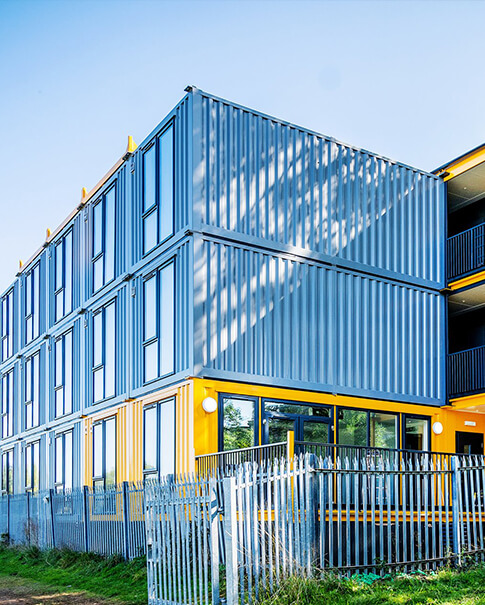
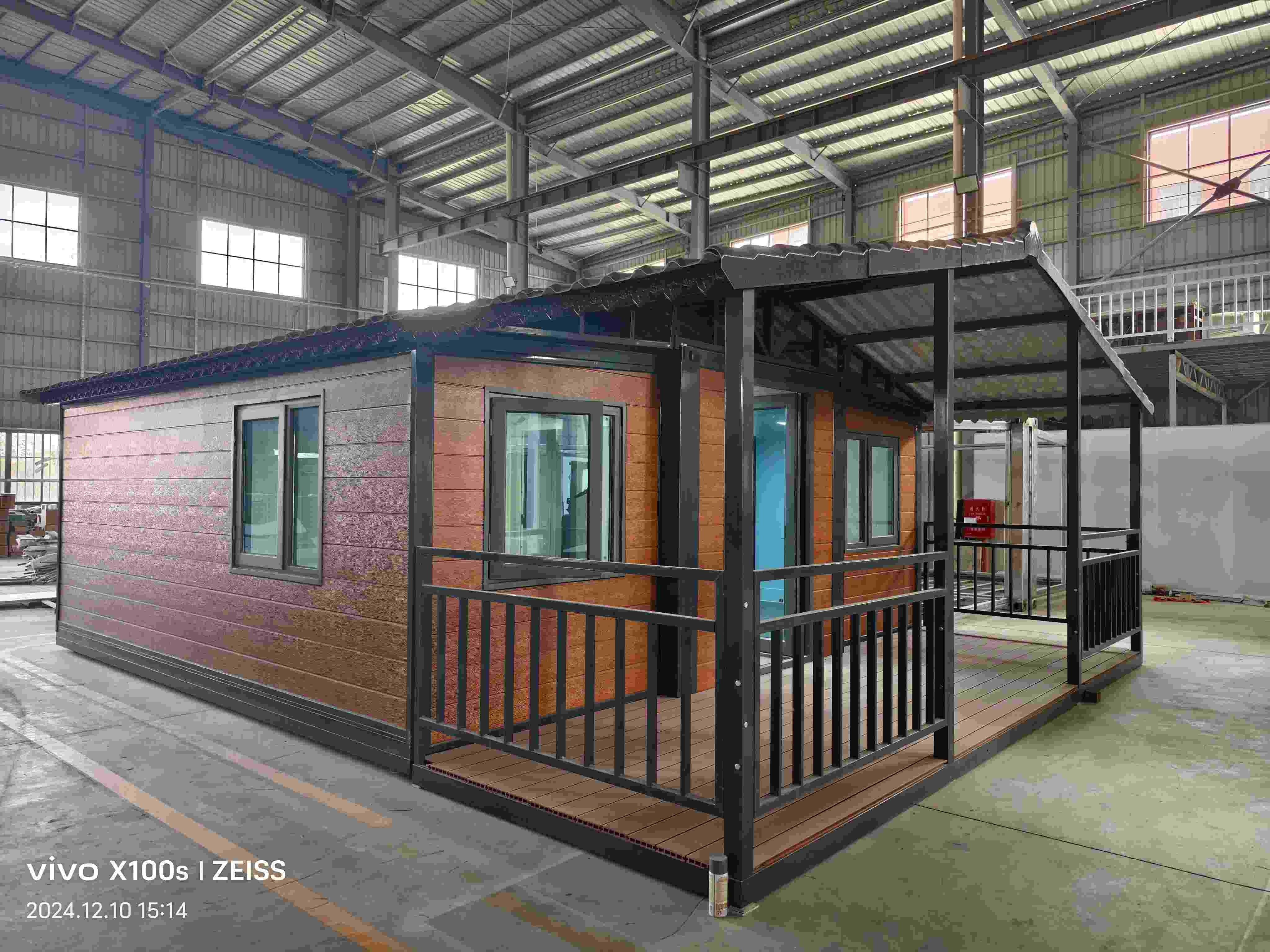
Jul 8, 2026Eco-friendly alternatives to expandable container houses include flat pack container houses, detachable container houses, folding container houses, and space capsule houses. These prefabricated steel-structure solutions reduce on-site construction waste, utilize recyclable structural materials, and feature high-efficiency insulation to lower operational energy consumption across temporary, emergency, and commercial applications.
Modern modular alternatives to expandable structures achieve sustainability through factory prefabrication and optimized structural engineering. Traditional on-site construction generates significant dust, noise, and material waste. In contrast, alternative modular buildings such as detachable and flat pack systems are manufactured under strict factory controls, utilizing automated robotic arms for precise welding and spraying. This process minimizes raw material waste and reduces energy consumption during production.
The thermal performance of these alternative structures is a key driver of their eco-friendliness. High-density sandwich panels used in wall assemblies offer superior thermal insulation compared to standard temporary brick buildings. This advanced insulation limits thermal bridging, significantly reducing the energy required for heating and cooling in extreme climates. These systems possess wide-range weather resistance, functioning efficiently in extreme temperatures, high winds, and sandstorms.
The practical viability of these sustainable alternatives is demonstrated in large-scale deployments. For instance, in the Indonesian Coal Mine Living Area Project, a local energy company deployed 2,000 sets of prefabricated modular housing as mining workers’ dormitories. The project utilized rapid-assembly modular units that cut overall installation time down to days and reduced financial and environmental costs by nearly half compared to building temporary brick housing. After the project’s completion, the modular units can be completely disassembled and transported to the next site for reuse, preventing permanent land disturbance.
To assist in selecting the most appropriate eco-friendly alternative to a standard expandable container house, the table below outlines the structural specifications, assembly efficiencies, and primary applications of different modular systems.
| Alternative Type | Key Specifications | Installation Efficiency | Primary Eco-Friendly Benefit |
|---|---|---|---|
| Detachable Container House | Customizable dimensions, bolted steel frame, sandwich panels | High; bolted connections require no on-site welding | Low transport volume reduces shipping carbon footprint |
| Flat Pack Container House | Standardized roof and base frames, interchangeable wall panels | Rapid; pre-wired and pre-insulated factory components | Highly reusable structure with zero construction waste |
| Folding Container House | Pre-assembled folding hinges, integrated structural frame | Extreme; complete setup within minutes | Minimum machinery and labor required during installation |
| Space Capsule House | Aerodynamic design, high-performance insulation, integrated smart systems | Plug-and-play; delivered fully assembled to the site | Zero foundation damage; ideal for sensitive eco-tourism zones |
Are alternative modular container houses as durable as expandable structures?
Yes. Detachable, flat pack, and folding container houses utilize hot-dip galvanized steel frames and weather-resistant sandwich panels. They undergo factory testing, including enclosure modal analysis, structural fatigue life testing, and airtightness testing to guarantee long-term structural integrity.
How do alternative prefabricated houses perform in extreme weather?
These modular units are engineered with ultra-wide-range weather resistance. They are structurally optimized to withstand high winds, sandstorms, and extreme thermal fluctuations, maintaining stable internal temperatures with low energy expenditure.
Can these alternative modular systems be customized for specific commercial projects?
Yes. Manufacturers support comprehensive OEM and ODM services. The structures can be tailored for offices, shops, hotels, clinics, and school classrooms, adapting to diverse spatial and functional requirements while maintaining eco-friendly manufacturing protocols.
Selecting an eco-friendly alternative to an expandable container house depends on specific project timelines, transport logistics, and site conditions. Flat pack and detachable container houses provide the ideal balance of structural rigidity, low transport volume, and high insulation performance for remote camps and commercial sites. For projects requiring immediate occupancy with minimal site disruption, folding systems and space capsules offer highly efficient, zero-waste solutions. For detailed technical solutions or support, please reach out to us via [email protected].
The brand Guangdong Uni-House Technology Co., Ltd., established in 2008, operates as an industry-trade integrated company under the Guizu Group. Supported by 200 employees and a factory area of fifteen thousand square meters, the company has an annual production capacity of 10,000 sets and specializes in design, R&D, production, and installation of modular housing. Guangdong Uni-House holds 150 utility model patents, is CE certified, and has served clients across multiple industries globally, including the Indonesian Coal Mine Living Area Project.

Tags :
 Sign Up To Our Newsletters

Tel : +8613377650003
Email : [email protected]


© 2026 Guangdong Uni-House Technology Co., Ltd.

Hi! Click one of our members below to chat on