Do expandable container houses meet international building codes?
Jul 9, 2026Expandable container houses meet international building codes when engineered and certified by qualified manufacturers. Compliance depends on structural design, material specifications, and adherence to regional standards such as the International Building Code (IBC) and European CE directives, which govern wind resistance, snow loads, thermal insulation, and structural integrity.
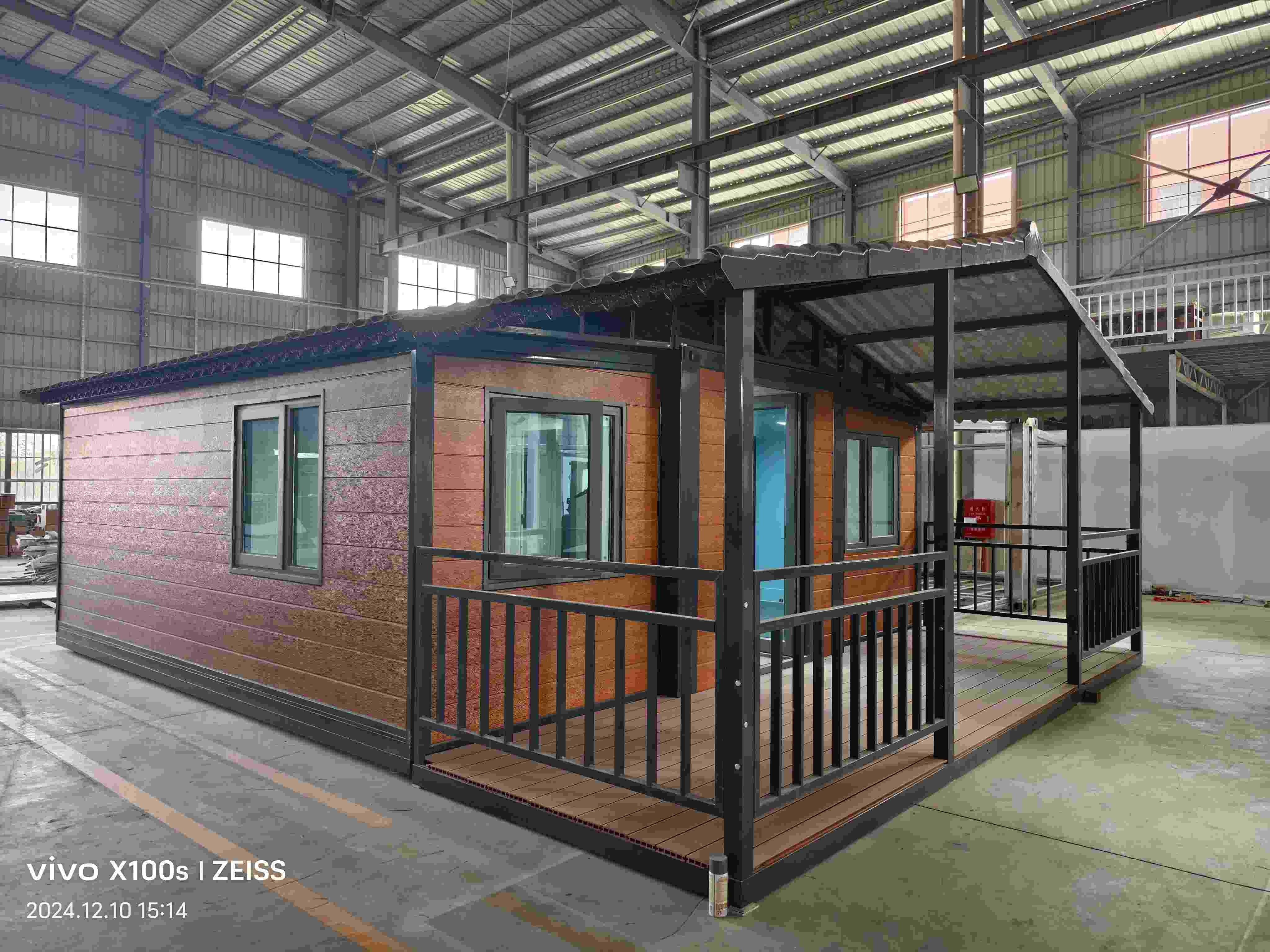
International building codes require prefabricated structures to withstand specific environmental loads while maintaining energy efficiency and structural safety. For expandable container houses, compliance is achieved through rigorous structural engineering, modal analysis, and raw material quality control. Frame designs utilize CNC-controlled automated manufacturing, including laser cutting and robotic welding, to guarantee precise tolerances and eliminate structural weaknesses that could lead to failure under high wind or seismic loads.
Weather resistance and airtightness are critical benchmarks for code compliance. Structures must undergo rigorous airtightness testing and structural fatigue life testing to ensure long-term durability. To meet regional thermal insulation requirements, walls and roofs are constructed with compliant sandwich panels. These components provide the necessary R-values to reduce energy consumption, satisfying strict energy codes in regions like North America and Europe. Undergoing voluntary factory inspections and obtaining valid CE certifications (such as Certificate No. 3N240819.GUTQO66) confirms that the modular container systems meet the essential safety and performance criteria required by international regulators.
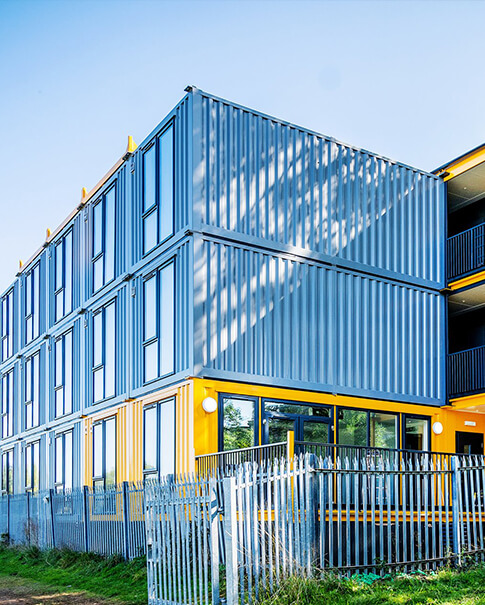
Real-world projects demonstrate the practical viability of these engineered structures. For instance, the Indonesian Coal Mine Living Area Project utilized 2,000 sets of prefabricated modular units as worker dormitories. Operating in challenging environmental conditions, these units demonstrated high implementation efficiency, thermal insulation, and structural stability, confirming that prefabricated modular systems can successfully meet rigorous industrial and residential requirements.
The following table outlines the technical specifications and compliance profiles of different expandable container house configurations:
| Model Parameter | Dimensions (Length) | Minimum Order Quantity (MOQ) | Quality Inspection Status | Key Export Markets |
|---|---|---|---|---|
| 20FT Expandable Unit | 20 Feet | 1 Set | Factory inspection passed | Australia, North America, Southeast Asia, Middle East |
| 30FT Expandable Unit | 30 Feet | 1 Set | Factory inspection passed | Australia, North America, Southeast Asia, Middle East |
| 40FT Expandable Unit | 40 Feet | 1 Set | Factory inspection passed | Australia, North America, Southeast Asia, Middle East |
Q1: What certifications should I look for to ensure international code compliance?
A1: Look for CE certification (such as No. 3N240819.GUTQO66) for modular container houses, including expandable, detachable, and flat pack variations. This certification indicates compliance with European and international safety, health, and environmental standards.
Q2: How do expandable container houses perform in extreme weather conditions?
A2: Fully compliant units are designed with ultra-wide-range weather resistance, making them suitable for extreme high and low temperatures, high winds, and sandstorms. Manufacturers perform enclosure modal analysis and airtightness testing to verify field performance.
Q3: What are the shipping and logistics arrangements for these houses?
A3: Expandable container houses are transported globally using standard 40HQ or 20FT ocean freight containers, ensuring secure transit and simplified port handling.
To ensure full compliance with local and international building codes, purchasers must select products that have undergone standardized quality control and hold recognized certifications. Working with an industry-trade integrated manufacturer guarantees that the structural components, electrical wiring, and plumbing systems are manufactured to precise engineering specifications, minimizing on-site compliance challenges. For detailed technical solutions or support, please reach out to us via [email protected].
Guangdong Uni-House Technology Co., Ltd., established in 2008, operates under the Guizu Group as a dedicated foreign trade enterprise with a workforce of 200 employees. The company leverages advanced R&D capabilities, featuring 30 professional R&D engineers and designers, over 10 advanced production lines, and 150 utility model patents to deliver high-performance modular housing. Guangdong Uni-House has successfully served global clients across multiple industries, providing certified solutions like Detachable, Flat Pack, and Expandable Container Houses. 
Tags :
 Sign Up To Our Newsletters

Tel : +8613377650003
Email : [email protected]


© 2026 Guangdong Uni-House Technology Co., Ltd.

Hi! Click one of our members below to chat on