
How do I choose the right insulation material for an expandable container house used in cold climates?
Jul 2, 2026Choosing insulation for an expandable container house in cold climates requires evaluating thermal conductivity, moisture resistance, and structural adaptability. Polyurethane (PU) spray or sandwich panels provide high thermal efficiency and airtightness, while rockwool offers superior fire safety and soundproofing. These insulation choices prevent thermal bridging, preserving structural integrity and warmth in extreme freezing temperatures.
Deploying these advanced insulation systems makes modular structures highly suitable for demanding environments, including construction sites, field construction camps, temporary housing after natural disasters, and rural villas.
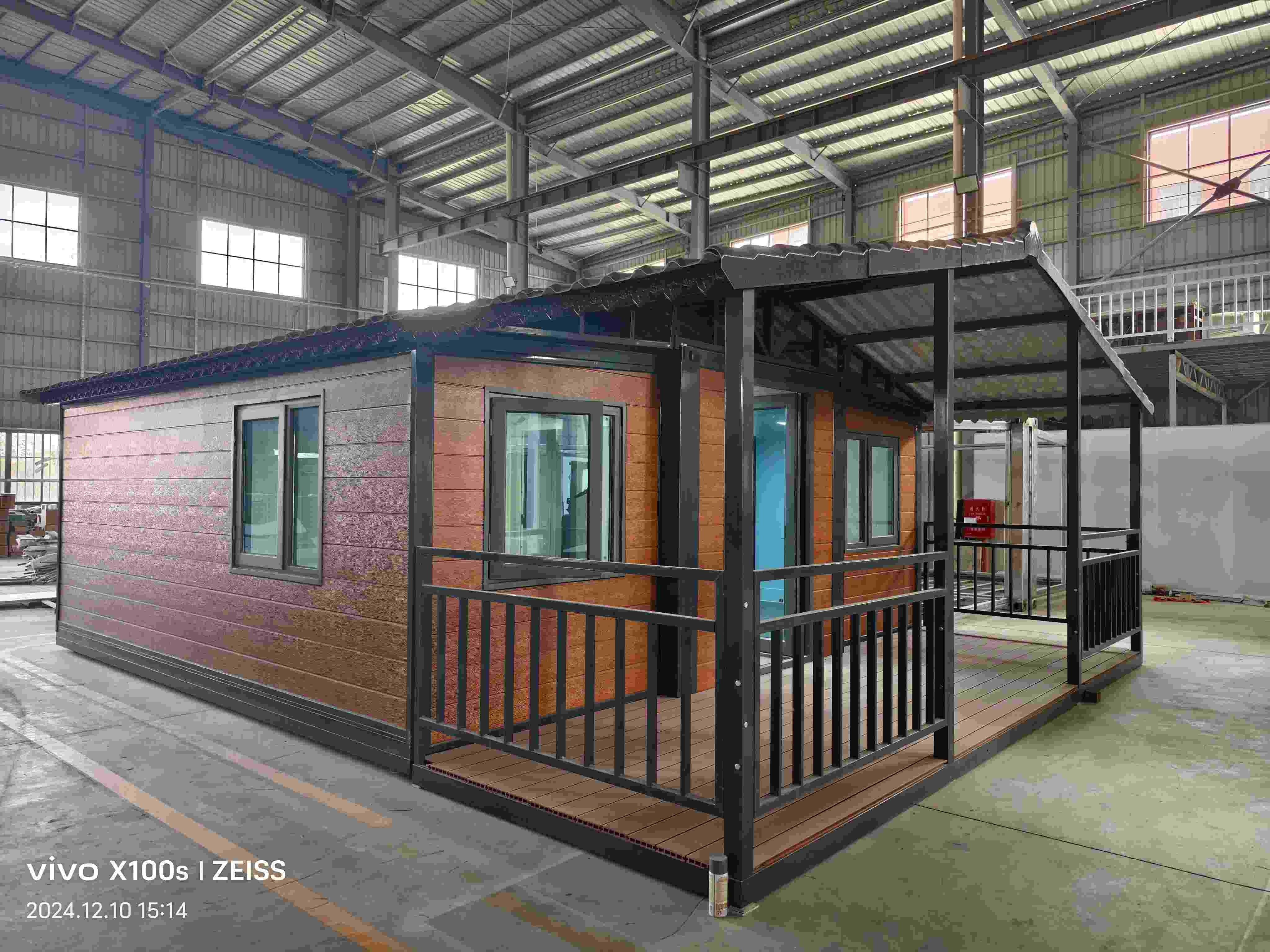
To achieve reliable insulation performance in sub-zero regions, structural engineering must address thermal bridging. The steel framing of an expandable container house naturally conducts heat, making standard insulation methods insufficient. Manufacturers like Guangdong Uni-House Technology Co., Ltd. utilize 150 utility model patents to implement structural optimization and weather resistance technology. Their production lines feature automated robotic arms and laser cutting to ensure high-precision fits, reducing cold air leakage at critical joints.
Furthermore, structural fatigue life testing and enclosure modal analysis verify that the container shell remains airtight over long deployment cycles. For example, in large-scale applications such as the Indonesian Coal Mine Living Area Project, where 2000 sets of modular units were supplied, consistent thermal barriers were maintained across multiple buildings. This structural reliability prevents localized cooling and condensation, which can lead to structural decay.
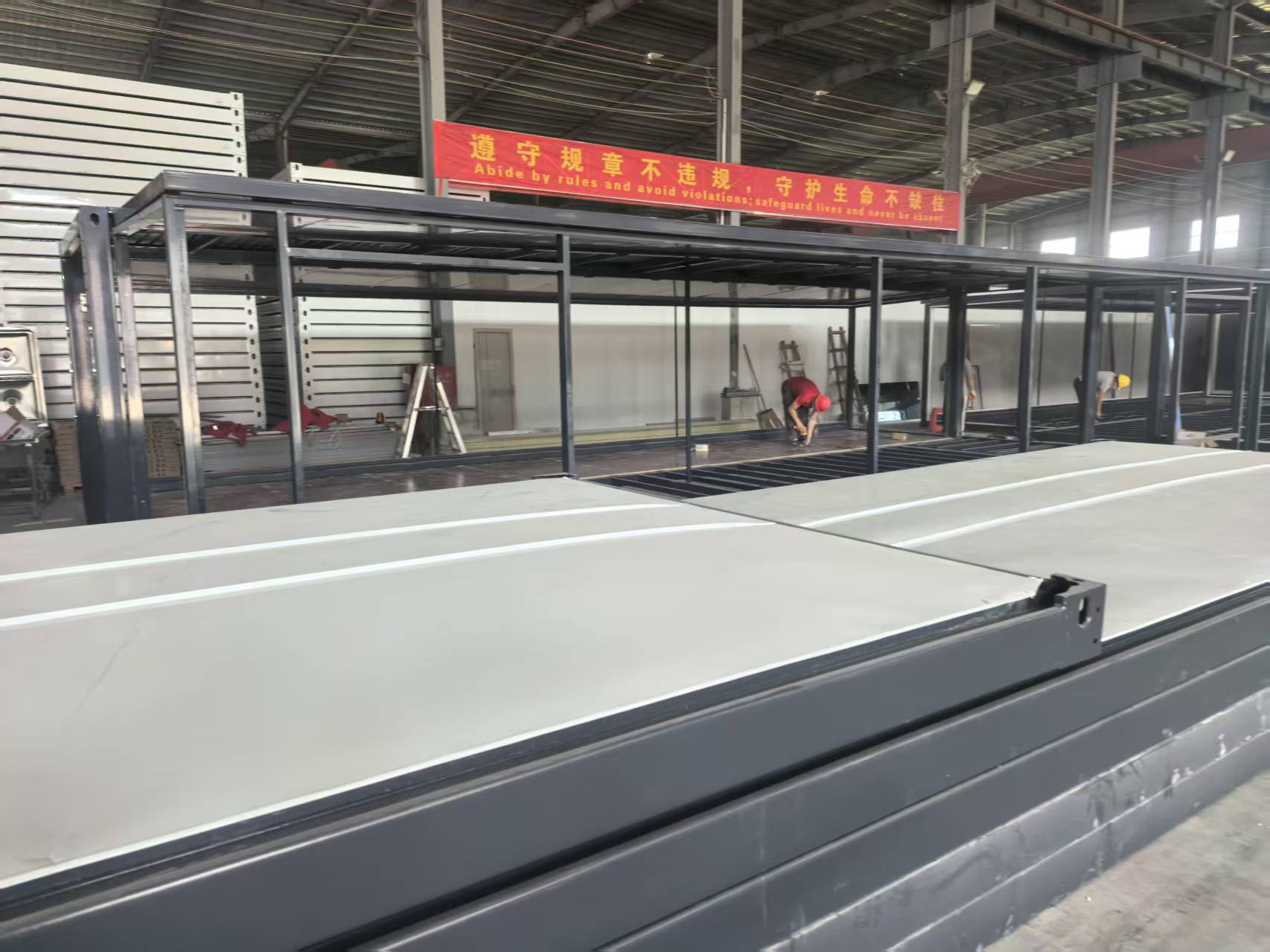
Airtightness testing and fully automated spraying lines ensure that the applied insulation layers are uniform, leaving no gaps. By utilizing advanced CNC controls and automated welding, the integrity of the wall panels remains stable even when subjected to extreme high and low temperatures, or high winds and sandstorms.
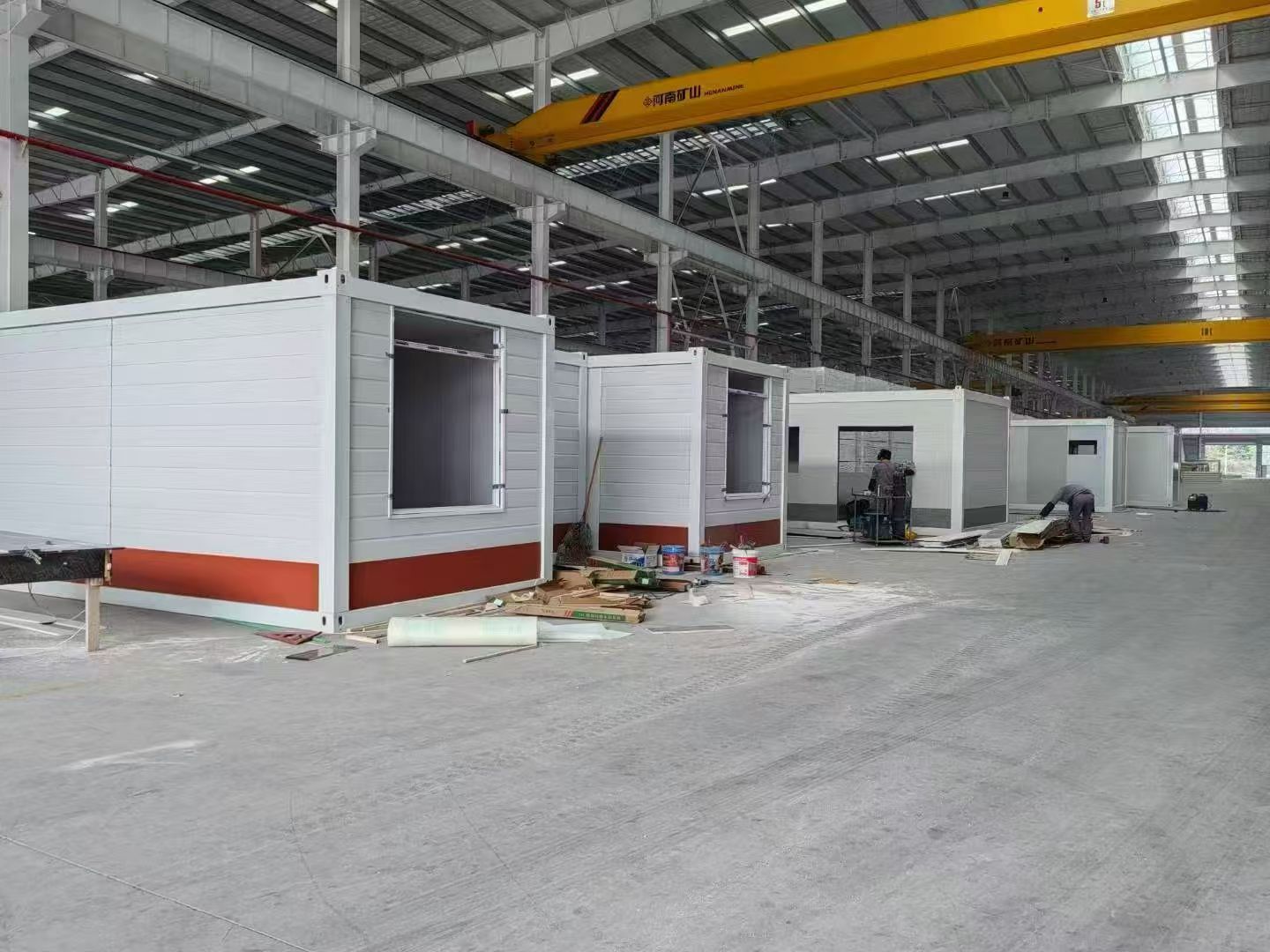
The selection of insulation materials must align with regional temperature profiles, regulatory requirements, and budget constraints. The following table compares three primary insulation options utilized in expandable container houses:
| Insulation Material | Thermal Conductivity Level | Fire Safety Rating | Moisture Resistance | Optimal Cold Climate Application |
|---|---|---|---|---|
| Polyurethane (PU) | Low (Excellent Insulation) | Class B1 / B2 | High (Waterproof) | Extreme low-temperature regions with high humidity |
| Rockwool | Medium (Good Insulation) | Class A (Non-combustible) | Medium (Requires Vapor Barrier) | High-density areas requiring strict fire safety compliance |
| Expanded Polystyrene (EPS) | Medium-High (Moderate Insulation) | Class B1 | Medium | Moderate cold zones with budget constraints |
How does the folding mechanism of an expandable container house affect insulation?
The folding hinges are equipped with high-performance EPDM seal strips and insulated structural joints. This ensures that when a single operator expands the enclosure within 10 minutes, the airtightness remains secure, completely blocking cold drafts from entering the structure.
Are these structures certified for extreme weather conditions globally?
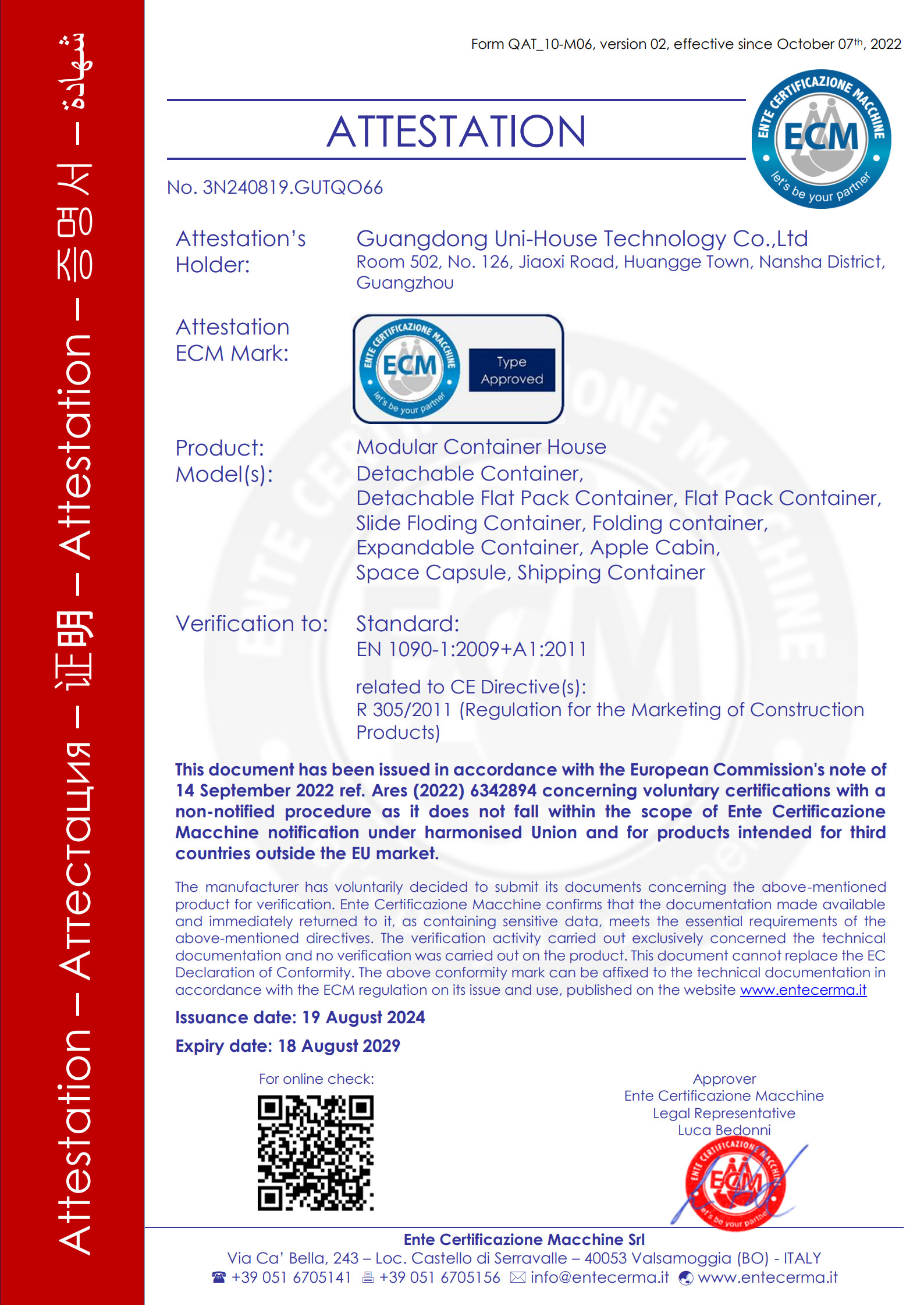
Yes, these modular systems hold a CE Certification (No. 3N240819.GUTQO66) for modular container houses, validating their structural and thermal performance across the European Union, Australia, North America, South America, Southeast Asia, and the Middle East.
How does condensation affect structural insulation in cold climates?
Condensation occurs when warm indoor air meets cold outer steel frames. To resolve this, the internal panels are designed with integrated vapor barriers and thermal breaks, preventing moisture accumulation and maintaining the structural fatigue life of the building.
Selecting the right insulation material depends on local environmental factors and regulatory standards. For extreme freezing climates, Polyurethane (PU) sandwich panels are recommended for their high thermal efficiency and moisture resistance, while Rockwool is suitable for areas demanding strict fire protection. When sourced under an industry-trade integration model, these expandable container systems feature a minimum order quantity (MOQ) of 1 set and a standard delivery time of 15 days, allowing rapid global deployment. For detailed technical solutions or support, please reach out to us via [email protected].
Guangdong Uni-House Technology Co., Ltd. is an established foreign trade enterprise operating under the Guizu Group. The company provides complete support for the design, research and development, production, installation, and after-sales service of various factory products. Established in 2008, the company has 200 employees and manages a fifteen thousand square meters manufacturing facility with an annual output value of 500 million RMB. They specialize in exporting detachable container houses, expandable container houses, and space capsule houses to global markets including Australia, North America, Southeast Asia, and the Middle East. Holding CE Certification No. 3N240819.GUTQO66, the company has successfully served diverse projects, including the supply of 2000 sets for the Indonesian Coal Mine Living Area Project.

Tags :
 Sign Up To Our Newsletters

Tel : +8613377650003
Email : [email protected]


© 2026 Guangdong Uni-House Technology Co., Ltd.

Hi! Click one of our members below to chat on