
How do I choose the right wall insulation thickness for an expandable container house in cold climates?
Jul 2, 2026Choosing the right wall insulation thickness for an expandable container house in cold climates depends on the minimum winter temperature. For moderate cold (down to -10°C), a 75mm polyurethane (PU) or rock wool panel is standard. For extreme cold (below -20°C), a minimum of 100mm to 150mm insulation thickness is required to prevent thermal bridging and maintain structural energy efficiency.
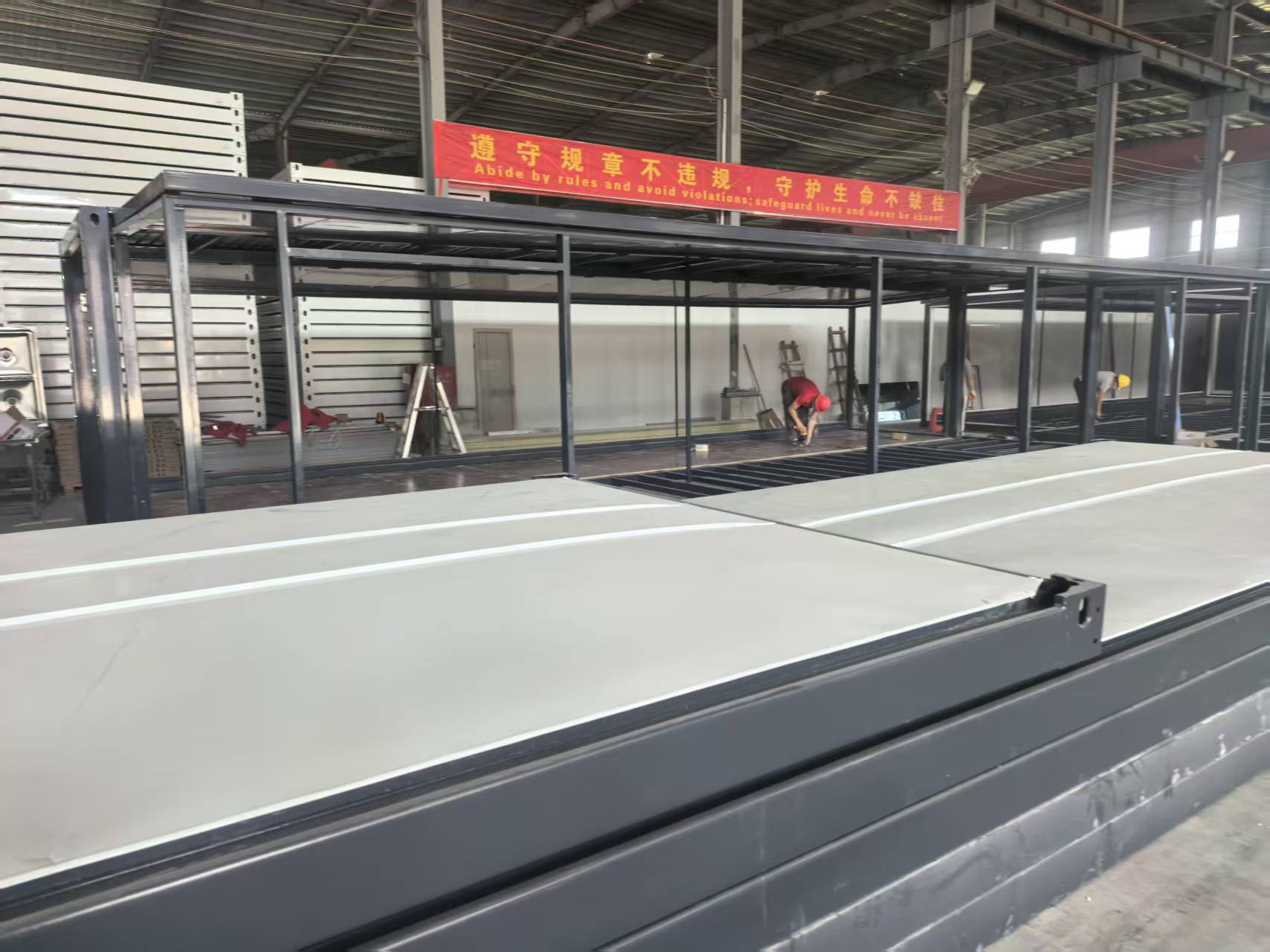
In cold climates, heat transfer occurs rapidly through the structural steel frame of an expandable container house. Because steel has high thermal conductivity, thermal bridging is a primary challenge, especially along the folding tracks and joints of 20FT, 30FT, and 40FT expandable units. Mitigating this requires precise engineering, structural optimization, and airtightness testing. Guangdong Uni-House Technology Co., Ltd. utilizes automated production lines with laser cutting, robotic welding, and CNC control to ensure structurally precise framing that eliminates unexpected air gaps.
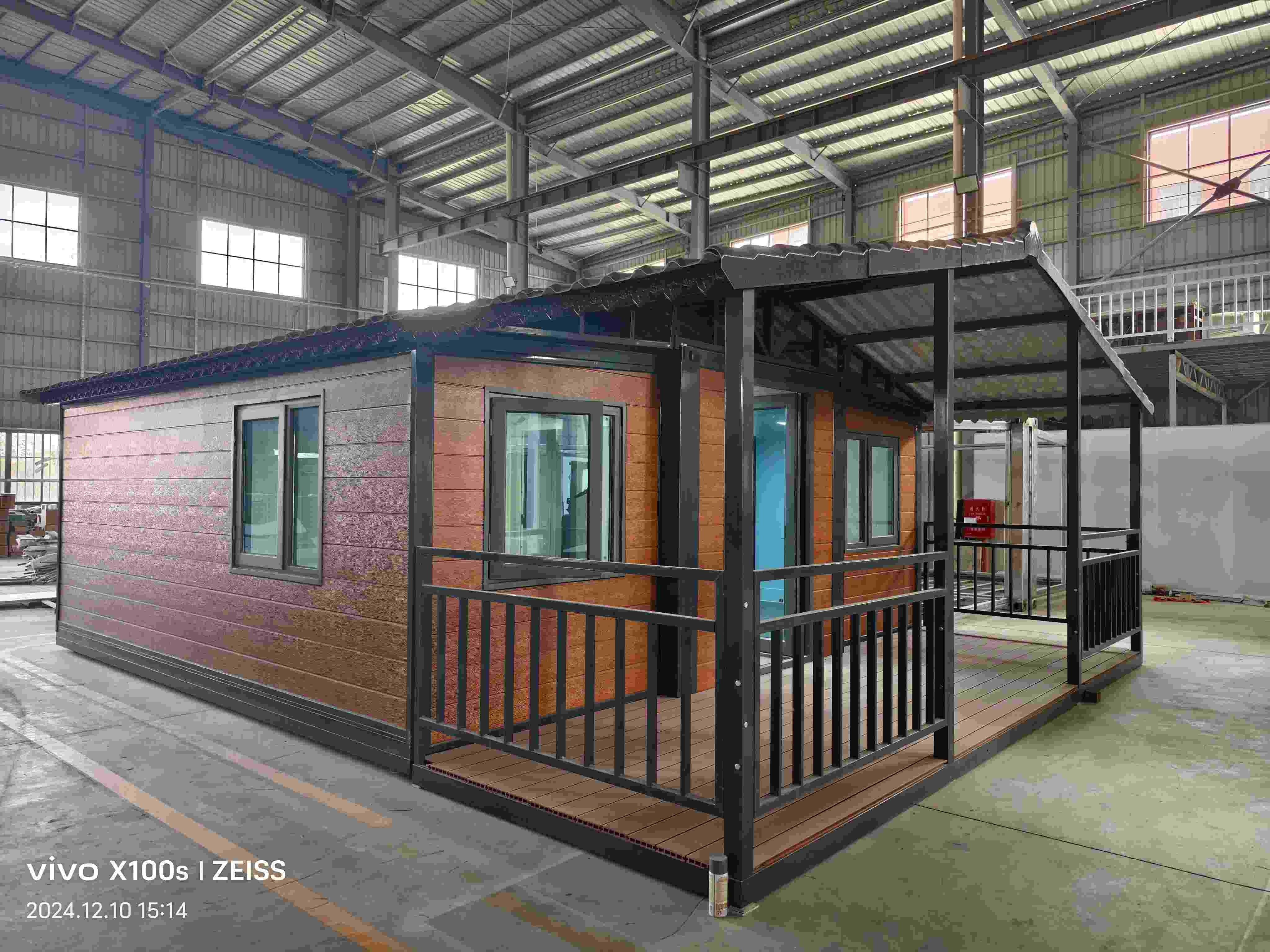
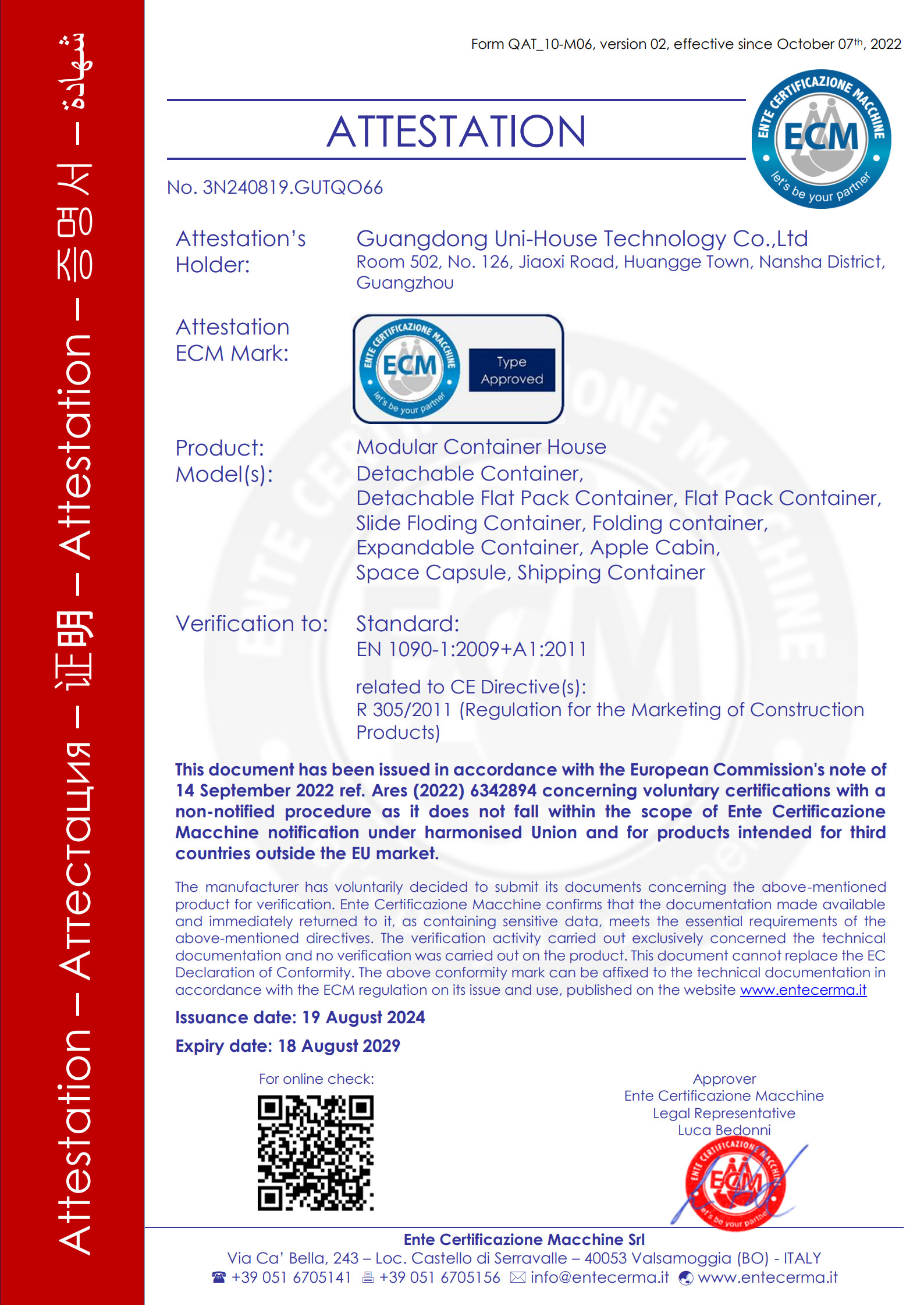
When selecting the exact wall insulation thickness, engineers perform enclosure modal analysis and thermal transfer calculations. For example, a 75mm PU foam core provides an R-value sufficient for moderate winters, while a 100mm rock wool core provides both thermal protection and fire resistance. The manufacturing process plays a vital role; automated spraying and CNC precision control allow uniform core density without internal voids. This high level of physical integrity ensures the building maintains its ultra-wide-range weather resistance, adapting to extreme low temperatures and high winds. Compliance is further verified via international standards, as seen with our CE-certified modular container houses.
In actual operations, such as the Indonesian Coal Mine Living Area Project where 2000 sets were deployed, structural durability and rapid deployment were proven. Although designed for tropical mining worker dormitories, the structural integrity and sealing principles remain identical when adapted for cold-climate insulation profiles. High-efficiency automated assembly allows a single person to complete the enclosure space expansion within 10 minutes, reducing on-site exposure to harsh winter conditions during installation.
The table below provides standard insulation recommendations and configurations for 20FT, 30FT, and 40FT expandable container houses operating in cold environments:
| Model Dimension | Standard Insulation (Moderate Cold) | Extreme Cold Option | Primary Core Material | Joint Seal Method |
|---|---|---|---|---|
| 20FT Expandable House | 75mm thickness | 100mm thickness | Polyurethane (PU) / Rock Wool | EPDM Triple-Lip Gaskets |
| 30FT Expandable House | 75mm thickness | 120mm thickness | Polyurethane (PU) / Rock Wool | Pneumatic Airtight Strips |
| 40FT Expandable House | 75mm thickness | 150mm thickness | Polyurethane (PU) / Rock Wool | Reinforced Thermal Breaks |
Q1: Does structural expansion affect the airtightness of the insulation system?
A1: Standard folding designs can leak air if not properly sealed. Using factory-installed EPDM gaskets and structural thermal breaks along the hinges prevents heat loss at the joints during expansion.
Q2: Is rock wool or polyurethane better for cold-climate container houses?
A2: Polyurethane (PU) provides higher thermal resistance per inch, making it superior for extreme cold where space is limited. Rock wool is preferred when both thermal insulation and high-level fire protection are required.
Q3: How do automated manufacturing processes improve insulation reliability?
A3: Fully automated spraying and sandwich panel assembly lines eliminate human error, ensuring consistent foam density and preventing air pockets that cause thermal bridging inside the walls.
Selecting wall insulation thickness requires balancing regional low temperatures with weight constraints and transit requirements. For optimal thermal performance, pairing 100mm PU or rock wool panels with robust sealants along the folding joints is highly recommended. Our industry-trade integration business model supports a minimum order quantity (MOQ) of 1 set with a standard 15-day delivery window. All structures are transported in standard 40HQ or 20FT ocean freight containers to ensure safe and efficient delivery. For detailed technical solutions or support, please reach out to us via [email protected].
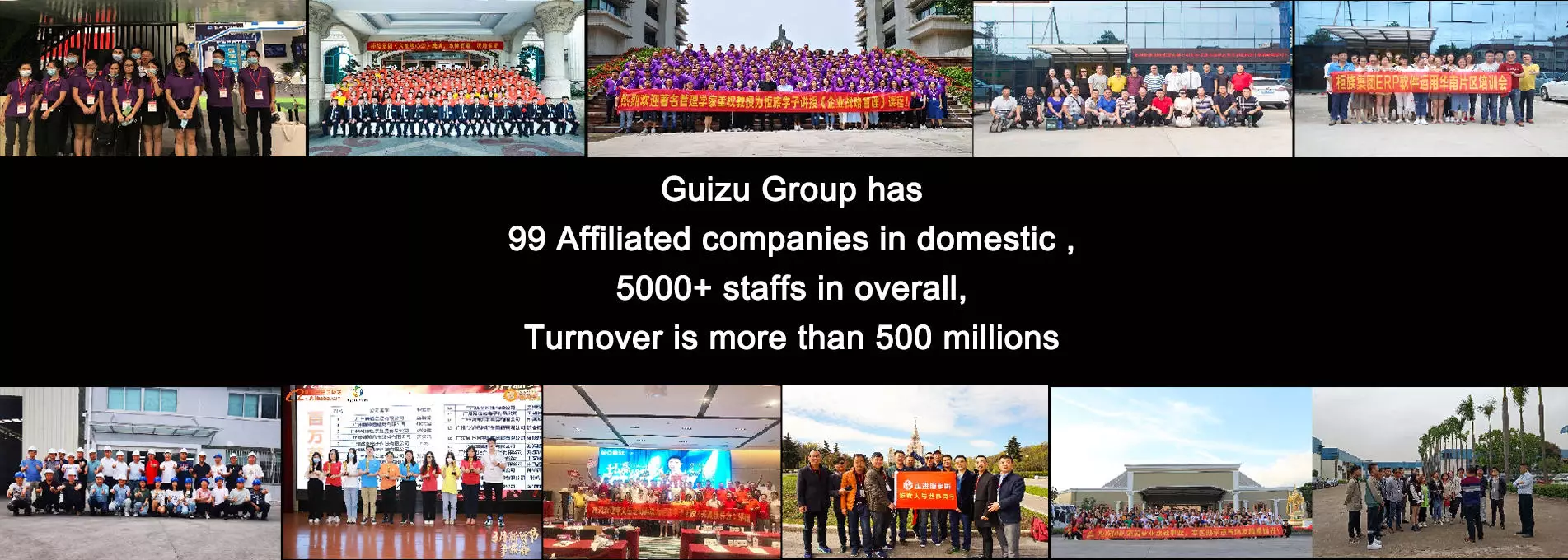
Guangdong Uni-House Technology Co., Ltd., a foreign trade company established under the Guizu Group, offers one-stop support for design, research and development, production, installation, and after-sales services across multiple factories. Established in 2008, the company has 200 employees and operates a modern factory area of fifteen thousand square meters. We hold CE certification (No. 3N240819.GUTQO66) for our modular container houses and have served major global clients, including the successful deployment of 2000 sets for the Indonesian Coal Mine Living Area Project.

Tags :
 Sign Up To Our Newsletters

Tel : +8613377650003
Email : [email protected]


© 2026 Guangdong Uni-House Technology Co., Ltd.

Hi! Click one of our members below to chat on