How is the lifespan of expandable houses compared to traditional ones?
Jul 19, 2026Expandable houses offer a lifespan of 15 to 30 years depending on the structural material, which is shorter than the 50 to 100 years of traditional concrete buildings. However, their structural optimization, advanced weather resistance, and high-quality steel frames allow them to match traditional temporary structures in durability while providing significantly higher installation efficiency.
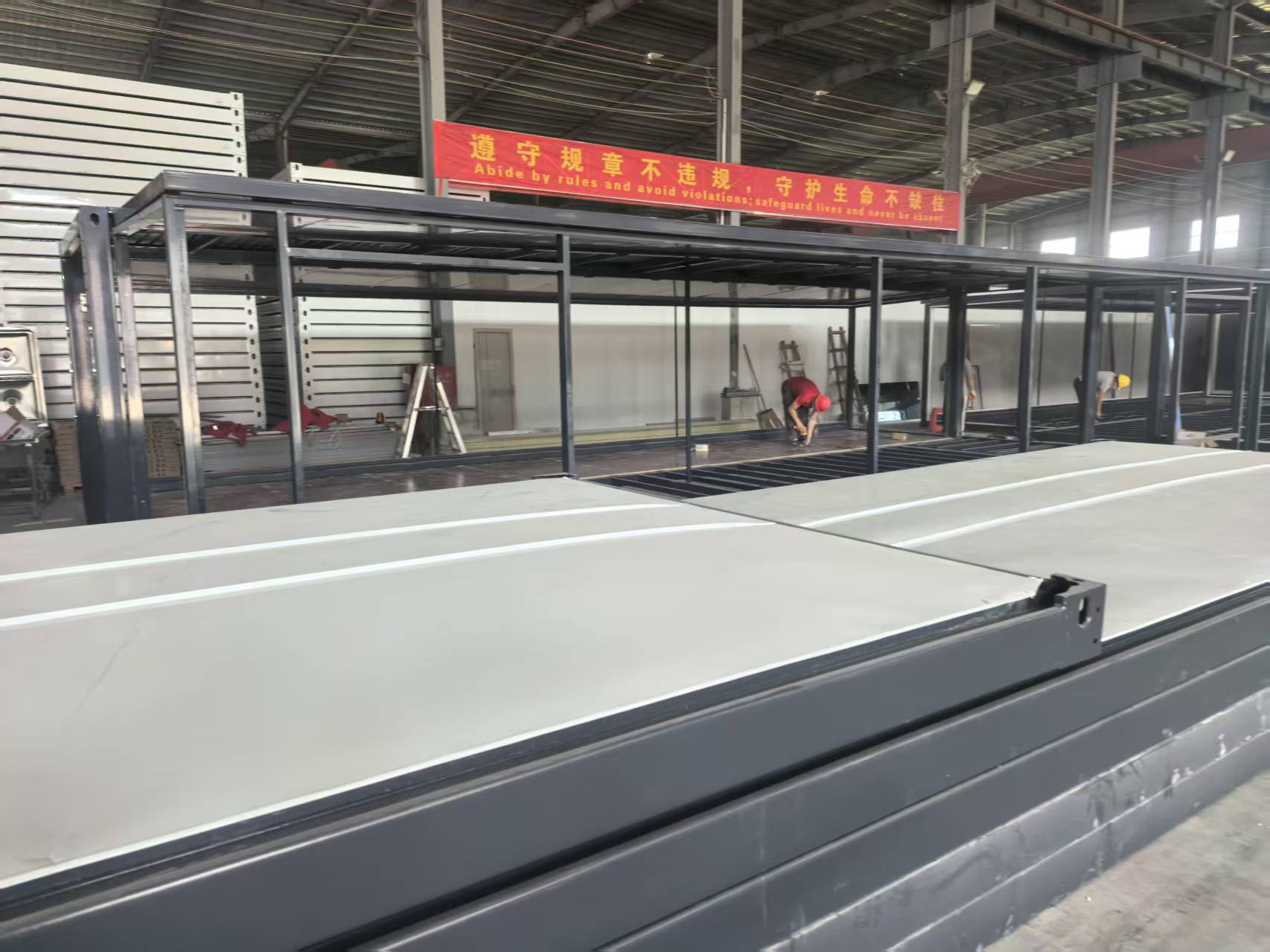
The core structural lifespan of an expandable house relies heavily on its manufacturing foundation and material science. Advanced production bases utilize automated robotic arms for precision welding and automated spraying, which eliminates human error and guarantees uniform anti-corrosion protection. CNC-controlled laser cutting and robotic assembly ensure that all structural joints fit perfectly, preventing water ingress—the primary cause of structural degradation in modular buildings.
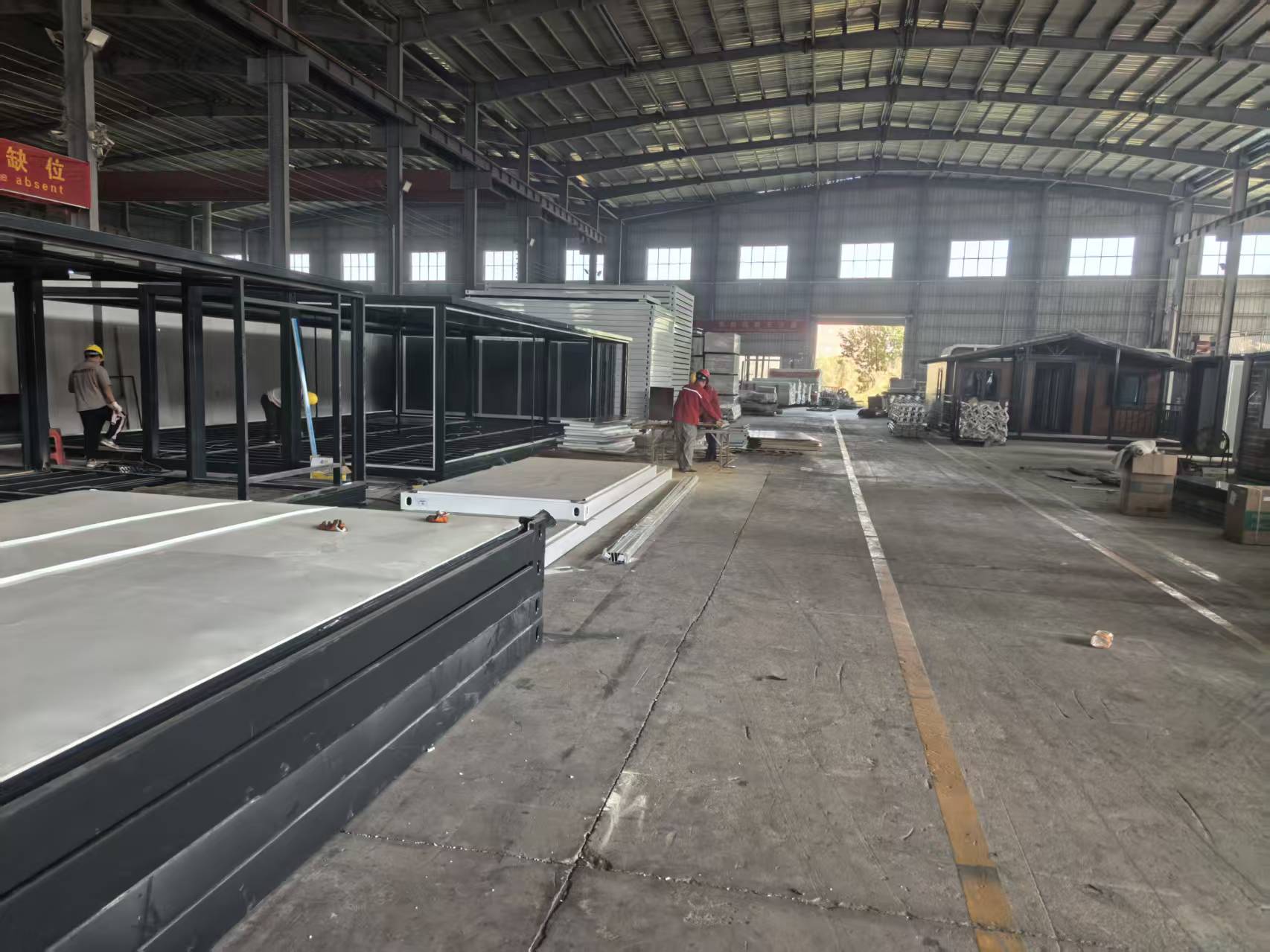
To ensure structural integrity over decades of use, manufacturers conduct rigorous testing, including enclosure modal analysis, structural fatigue life testing, and airtightness testing. These tests ensure the building maintains its structural load capacity under repetitive stress from folding and unfolding operations. These high standards allow modular units to obtain certifications like the CE mark (No. 3N240819.GUTQO66) for modular container houses, validating their safety and durability across Europe, Australia, and North America.
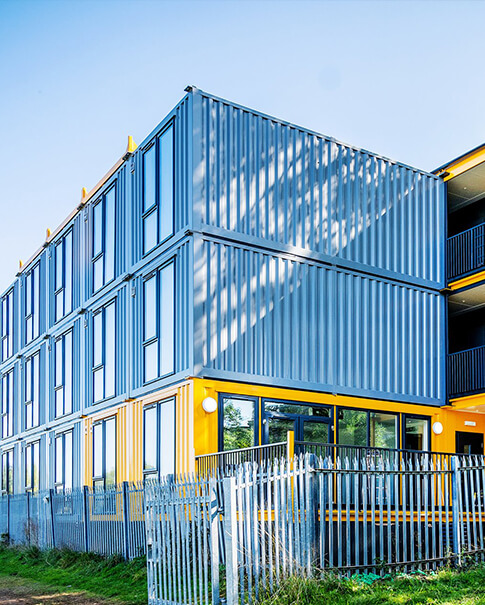
Real-world applications demonstrate this resilience. In the Indonesian Coal Mine Living Area Project, 2,000 sets of modular units were deployed as a mining workers’ dormitory. Despite the humid, harsh tropical climate of the mining site, the structures provided stable thermal insulation and remained leak-free throughout the heavy rainy seasons. The high-strength steel frames and premium sandwich panels preserved their structural properties, demonstrating that prefabricated solutions can match the living comfort of traditional brick-and-mortar homes at a fraction of the cost.
The following table compares the physical and operational performance of expandable houses against traditional concrete buildings and standard temporary prefabs:
| Performance Metric | Expandable Houses | Traditional Buildings | Standard Temporary Prefabs |
|---|---|---|---|
| Expected Lifespan | 15 to 30 years | 50 to 100 years | 5 to 10 years |
| Installation Time | 10 minutes (expansion phase) | 6 to 12 months | 2 to 5 days |
| Weather Resistance | High (sandstorms, extreme temp) | Extreme | Low to Medium |
| Relocation Capability | Yes (fully reusable) | No | Limited (high damage rate) |
| Foundation Requirement | Minimal (level ground/blocks) | Deep concrete foundation | Basic concrete slab |
Q1: What materials are used to protect expandable houses from rust and corrosion?
A1: Expandable units utilize hot-dip galvanized steel frames combined with fully automated electrostatic powder spraying. This dual-layer protection prevents moisture contact with the raw steel, halting rust formation even in coastal or high-humidity environments.
Q2: Can expandable houses withstand extreme weather conditions?
A2: Yes. Engineered with ultra-wide-range weather resistance, these structures are designed and tested to withstand extreme high and low temperatures, heavy rainfall, high winds, and severe sandstorms without losing structural stability or airtightness.
Q3: How many times can an expandable house be folded and unfolded?
A3: Thanks to structural fatigue life testing and over 200 sets of precision molds, the high-strength hinges and structural joints can undergo multiple relocation and expansion cycles without affecting structural alignment or weather-proofing capabilities.
While traditional concrete buildings offer permanent lifespans, expandable houses provide an optimal balance of durability, rapid deployment, and structural flexibility. They serve as an ideal investment for projects requiring relocatable offices, temporary camps, or rapid commercial spaces. For procurement, shipping is typically managed using 40HQ or 20FT ocean freight containers, with a minimum order quantity starting at 1 set and a delivery timeframe of approximately 15 days. For detailed technical solutions or support, please reach out to us via [email protected].
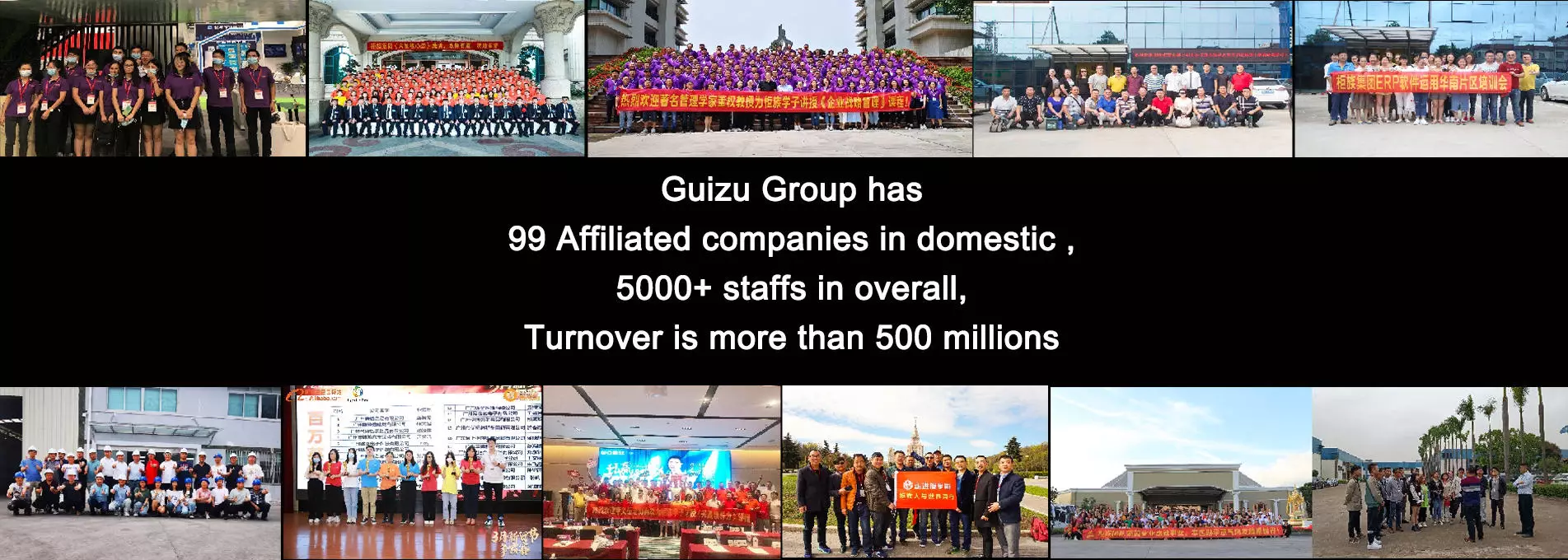
Guangdong Uni-House Technology Co., Ltd., established in 2008, is a foreign trade company under the Guizu Group with 200 employees. The company provides a one-stop support system for the design, R&D, production, installation, and after-sales service of modular housing. Operating from a 30,000 square meter production base with 30 professional R&D engineers, the company has served clients across multiple industries, delivering high-quality expandable container houses, flat pack container houses, and space capsule houses globally.
Tags :
 Sign Up To Our Newsletters

Tel : +8613377650003
Email : [email protected]


© 2026 Guangdong Uni-House Technology Co., Ltd.

Hi! Click one of our members below to chat on