How are expandable container houses packaged to prevent damage?
Jul 17, 2026Expandable container houses prevent damage during transit through factory-integrated structural folding, secure mechanical locking of pivoting joints, and flat-packed containerization. Demountable components are nested inside the heavy-duty steel main frame, protected by protective edge guards and high-density foam padding to eliminate internal movement during shipping.
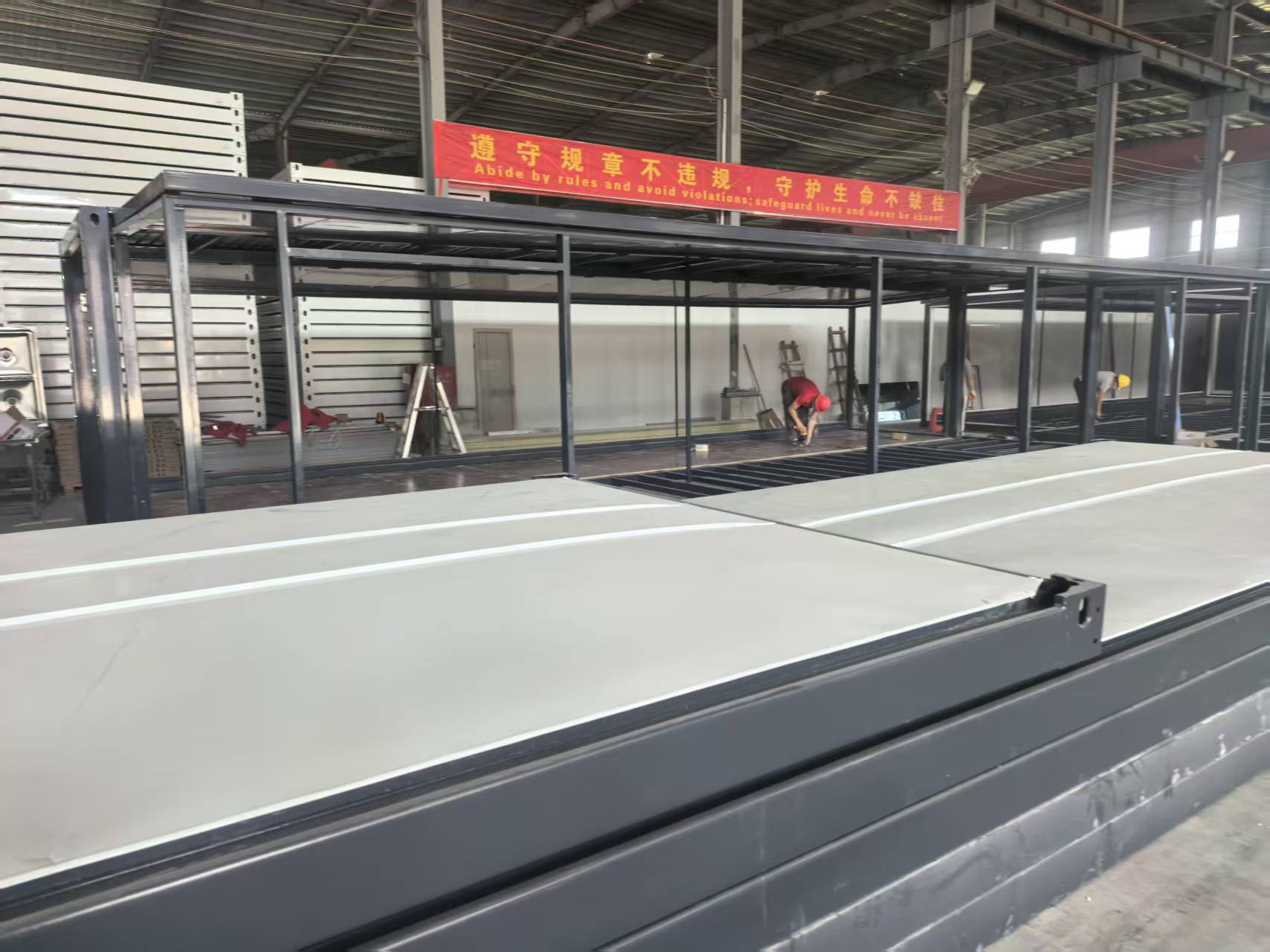
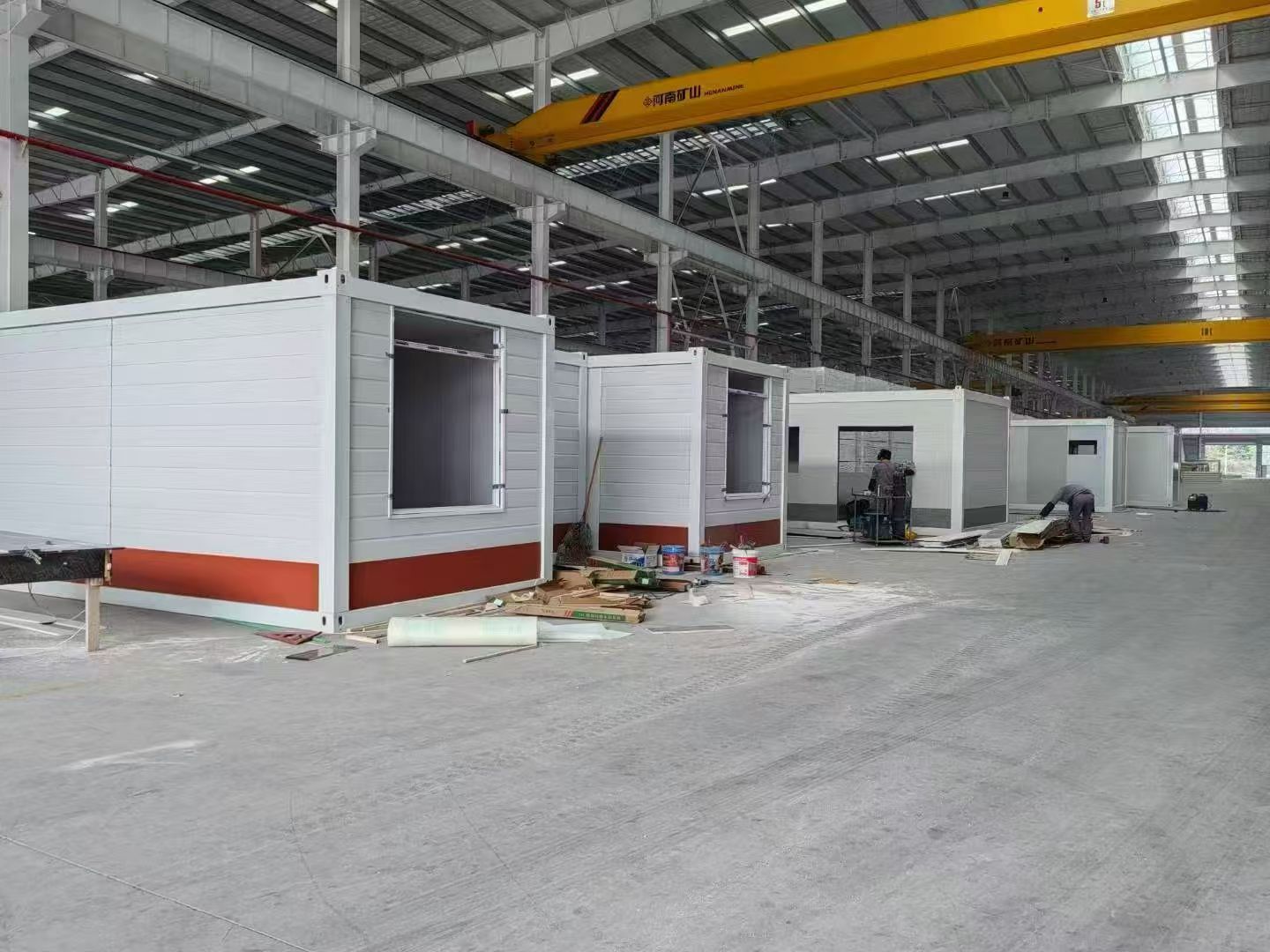
To guarantee that expandable container houses arrive at global job sites damage-free, Guangdong Uni-House Technology Co., Ltd. implements rigorous physical constraint systems. The primary defense lies in structural optimization and enclosure modal analysis performed during the engineering phase. By utilizing advanced CNC laser cutting and robotic welding, structural components align precisely without clearance gaps that could vibrate during long-haul logistics.
During the packaging process, the expandable wing sections fold flush against the central core module. Heavy-duty transit bolts lock these sections in place, distributing structural loads evenly across the main steel framework. Inside the folded structure, specialized rubber gaskets and high-density foam sheets isolate finished surfaces. This prevents friction-induced paint scratches or panel denting. Accessories such as doors and windows are secured with temporary structural bracing to withstand the vibrations of marine and overland shipping.
This packaging system is verified through rigorous structural fatigue life testing and airtightness testing. For instance, in the Indonesian Coal Mine Living Area Project involving the delivery of 2,000 sets of mining workers’ dormitories, this secure packaging system ensured zero component failure upon arrival. Furthermore, the products carry CE certification (No. 3N240819.GUTQO66), confirming compliance with international safety and durability transport standards across the EU, Australia, North America, and the Middle East.
The table below outlines the transport packaging specifications and protective measures for different modular housing configurations:
| Housing Type | Packaging Method | Primary Protective Measures | Shipping Container Efficiency |
|---|---|---|---|
| Expandable Container House | Integrated Folded Nesting | Structural transit bolts, internal high-density foam, corner guards | High (Fits securely within 40HQ/20FT sea containers) |
| Flat Pack Container House | Stacked Flat Packaging | Steel strap bundling, protective edge profiles, shrink wrap | Very High (Multiple units stacked as a single bundle) |
| Detachable Container House | Disassembled Component Kits | Separate frame bundles, palletized sandwich panels, accessory crates | High (Optimizes volume for bulk structural parts) |
Q1: How are internal glass windows and doors protected during shipment?
A1: Glass components are pre-fitted with protective film and secured with internal wooden or steel transit braces. This prevents shifting or impact damage within the structural frame during transit.
Q2: Does ocean freight moisture cause rust inside the folded panels?
A2: No. The structural steel frames undergo fully automated spraying and anti-corrosion coating. Additionally, heavy-duty weatherproofing seals isolate the folded interior from moisture during sea transit.
Q3: What logistics methods are used to deliver these units globally?
A3: Units are packed and loaded directly into standard 40HQ or 20FT ocean freight containers, protecting the products from weather and physical impacts throughout marine and overland shipping routes.
The damage prevention strategy of expandable container houses relies on factory-integrated folding, rigid transit locking, and standardized shipping containers. This standardized approach guarantees rapid installation on-site. In fact, a single operator can expand the enclosure space within 10 minutes, improving setup efficiency by 60% compared to the industry average. When planning large-scale deployments, opting for industry-trade integrated manufacturers who provide verified packing processes reduces on-site assembly issues. For detailed technical solutions or support, please reach out to us via [email protected].
Guangdong Uni-House Technology Co., Ltd., established in 2008, is a professional foreign trade enterprise under the Guizu Group. Operating from a fifteen thousand square meters factory facility, our team of 200 employees manages comprehensive, one-stop operations from structural design to automated production. We specialize in high-efficiency modular systems, including detachable, flat pack, folding, and expandable container houses. Our production bases utilize advanced automated robotic welding and CNC laser cutting lines to deliver reliable, weather-resistant space solutions to global markets.

Tags :
 Sign Up To Our Newsletters

Tel : +8613377650003
Email : [email protected]


© 2026 Guangdong Uni-House Technology Co., Ltd.

Hi! Click one of our members below to chat on