What wall insulation options are available for expandable houses?
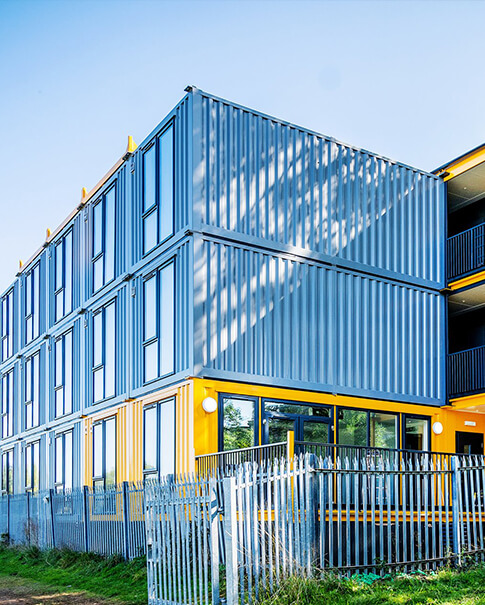
Jul 14, 2026Expandable houses primarily utilize sandwich panels featuring core insulation materials such as rock wool, polystyrene (EPS), polyurethane (PU), and glass wool. These options offer varying levels of thermal resistance, fire rating, and structural support to adapt to diverse climates, ranging from extreme high and low temperatures to high winds and sandstorms.
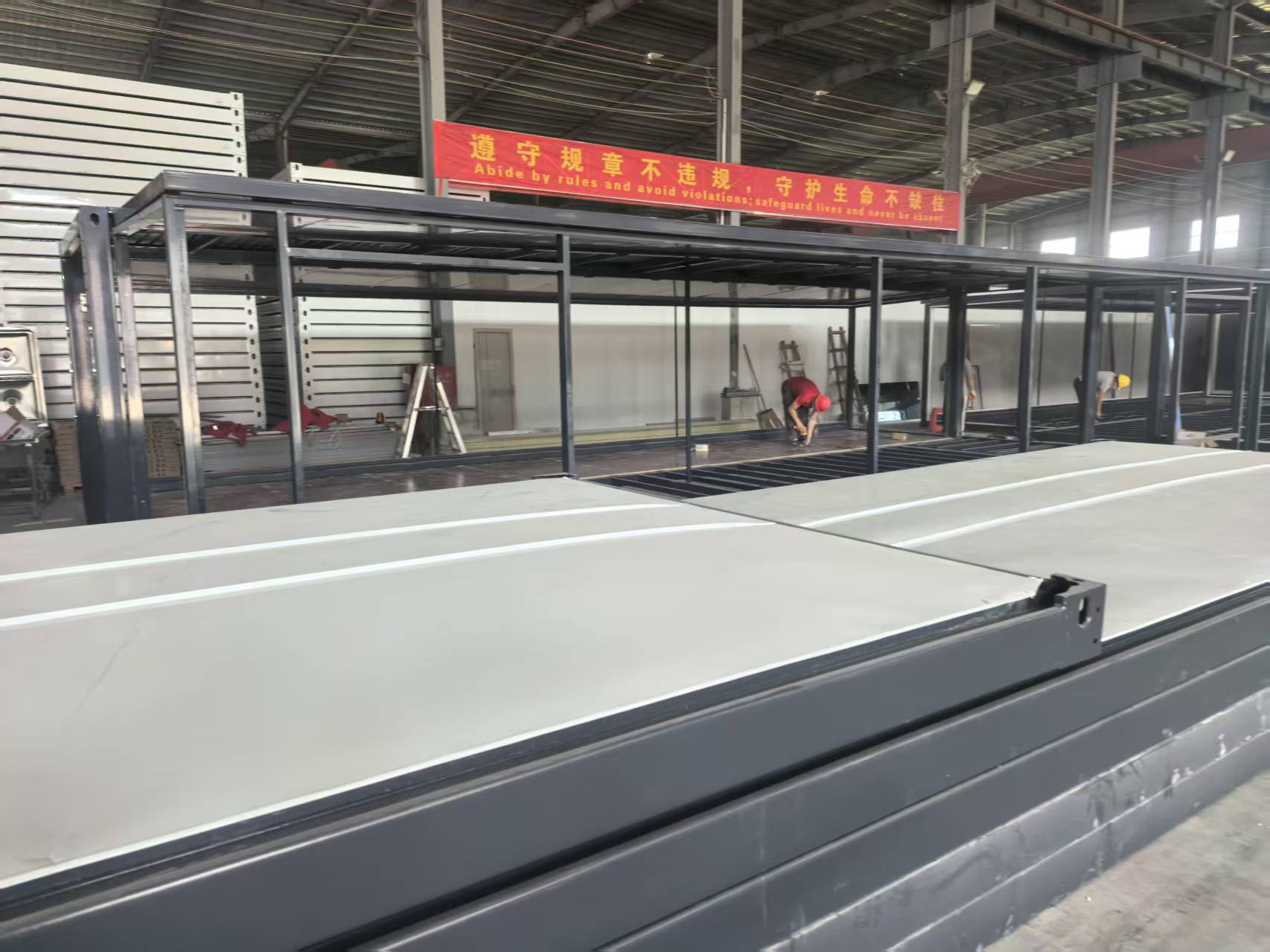
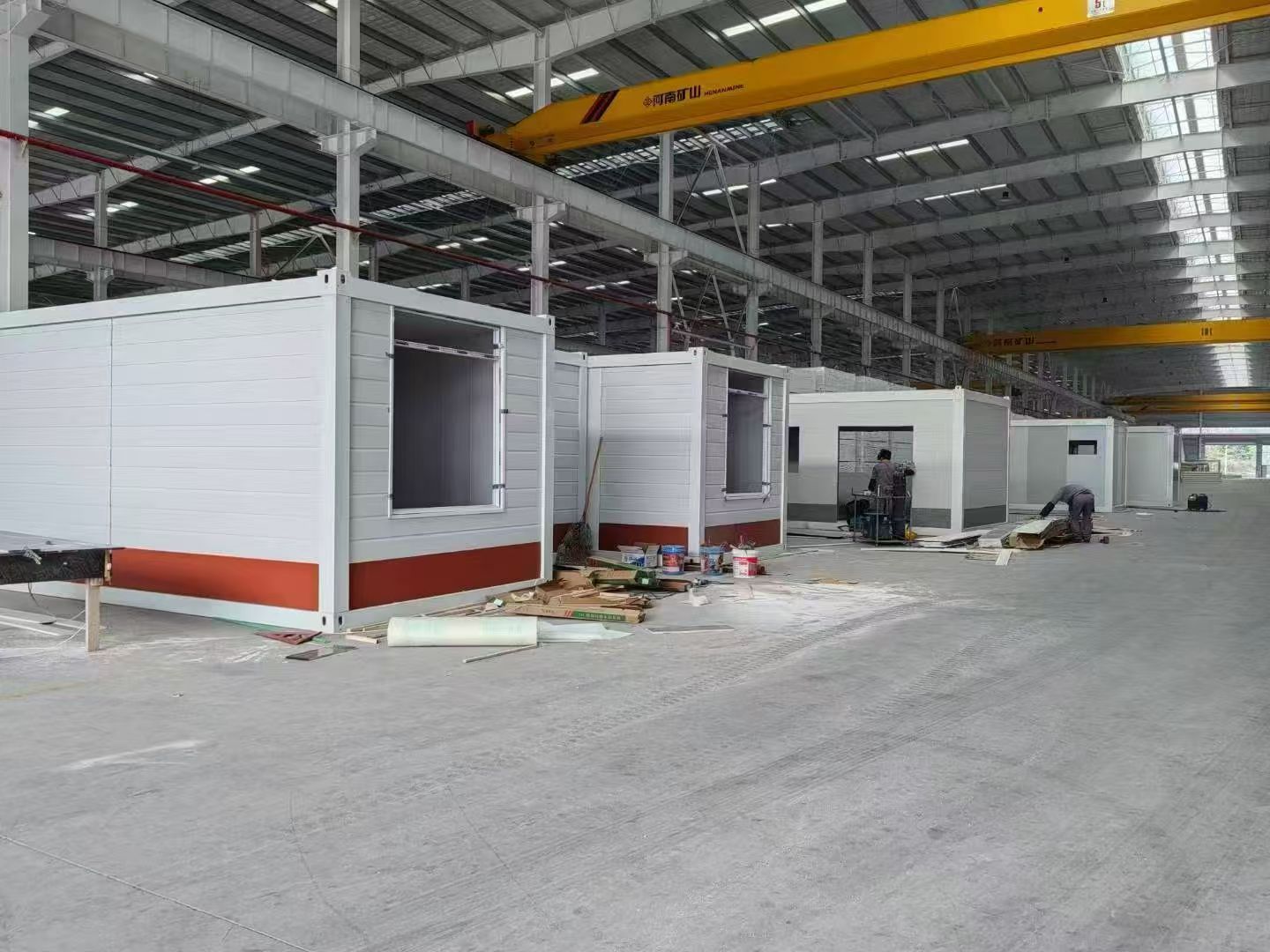
In expandable modular buildings, wall insulation is integrated directly into the structural sandwich panels during factory prefabrication. This method ensures uniform density, eliminates thermal bridging, and preserves structural integrity. Advanced R&D manufacturing processes utilize automated robotic arms for precise assembly and spraying, ensuring high airtightness and weather resistance. For instance, Guangdong Uni-House Technology Co., Ltd. integrates these advanced panel technologies to achieve ultra-wide-range weather resistance, allowing structures to perform reliably in extreme environments.
These insulated wall systems are widely applied across diverse scenarios, including construction site dormitories, emergency disaster relief housing, cultural tourism commercial areas, and field construction camps. The thermal envelope is tested through professional enclosure modal analysis and airtightness testing to guarantee long-term energy efficiency. In large-scale international deployments, such as the Indonesian Coal Mine Living Area Project involving 2,000 sets of mining dormitories, robust insulated panel construction successfully maintained comfortable indoor climates while optimizing energy consumption for cooling.
| Insulation Material | Thermal Conductivity (W/m·K) | Fire Resistance Rating | Moisture Resistance | Best Application Scenario |
|---|---|---|---|---|
| Rock Wool | 0.035 – 0.040 | Class A (Non-combustible) | Medium | Industrial mining camps, high-safety offices |
| Polystyrene (EPS) | 0.033 – 0.038 | Class B1/B2 (Flame retardant) | Medium-High | Economic temporary housing, urban guard posts |
| Polyurethane (PU) | 0.018 – 0.024 | Class B1/B2 (Self-extinguishing) | High (Excellent) | Cold storage, extreme climate residential villas |
| Glass Wool | 0.038 – 0.042 | Class A (Non-combustible) | Medium | Temporary disaster relief, portable school classrooms |
Q1: How do I choose the right wall insulation for an expandable house in a rainy region?
A1: Polyurethane (PU) or high-density Polystyrene (EPS) sandwich panels are highly recommended for wet or high-humidity regions due to their closed-cell structure, which prevents water absorption and protects the inner framing from moisture degradation.
Q2: Can the wall insulation materials handle extreme winter conditions?
A2: Yes. High-thickness Polyurethane (PU) or upgraded Rock Wool panels provide sufficient thermal resistance to retain indoor heat. This setup is structurally engineered to withstand extreme high and low temperatures and high winds.
Q3: Do these insulation options meet international building safety standards?
A3: Standard configurations utilizing Rock Wool achieve Class A fire ratings. These modular systems carry international certifications like the CE mark (No. 3N240819.GUTQO66), qualifying them for use across the European Union, Australia, North America, and the Middle East.
Selecting the optimal wall insulation for an expandable house depends on local climate demands, budget constraints, and regulatory fire ratings. For projects requiring maximum fire safety, rock wool is the industry standard; for extreme temperature environments, polyurethane offers unmatched thermal efficiency. Under integrated industry-trade business models, modular houses can be customized with specific panel core materials starting from a minimum order quantity of 1 set, with production and shipping organized in standard ocean freight containers. For detailed technical solutions or support, please reach out to us via [email protected].
Guangdong Uni-House Technology Co., Ltd., established in 2008, operates under the Guizu Group as a specialized foreign trade entity with a dedicated workforce of 200 employees. The company manages a single-plant production base covering 30,000 square meters, delivering an annual production capacity of 10,000 sets. Backed by a professional R&D team of 30 engineers and holding 150 utility model patents, the enterprise specializes in the design, manufacturing, and export of Detachable, Flat Pack, Folding, and Expandable Container Houses. The company holds CE certification (No. 3N240819.GUTQO66) and has served international clients across multiple industries, including the Indonesian Coal Mine Living Area Project.

Tags :
 Sign Up To Our Newsletters

Tel : +8613377650003
Email : [email protected]


© 2026 Guangdong Uni-House Technology Co., Ltd.

Hi! Click one of our members below to chat on