Who pays for return shipping if the expandable house has issues?
Jul 14, 2026Responsibility for return shipping costs of an expandable house with issues depends on the nature of the defect. Under standard export terms, manufacturing defects verified by the factory are covered by the supplier’s quality assurance, while shipping damages or user-installation errors require resolution through transit insurance or the buyer’s resources.
In international trade, returning an entire expandable container house to the manufacturer is rarely viable due to high ocean freight rates, customs clearance complexities, and transport logistics. Instead, structural issues are resolved through systematic technical assessments. When a customer reports a structural or airtightness issue, the manufacturer initiates a technical evaluation. For example, Guangdong Uni-House Technology Co., Ltd. utilizes specialized enclosure modal analysis and airtightness testing during the R&D phase to minimize structural fatigue and seal failures before shipment. If a manufacturing defect is confirmed under these quality protocols, the industry standard is to dispatch replacement sandwich panels, specialized doors, windows, or structural accessories rather than executing a physical return of the unit.
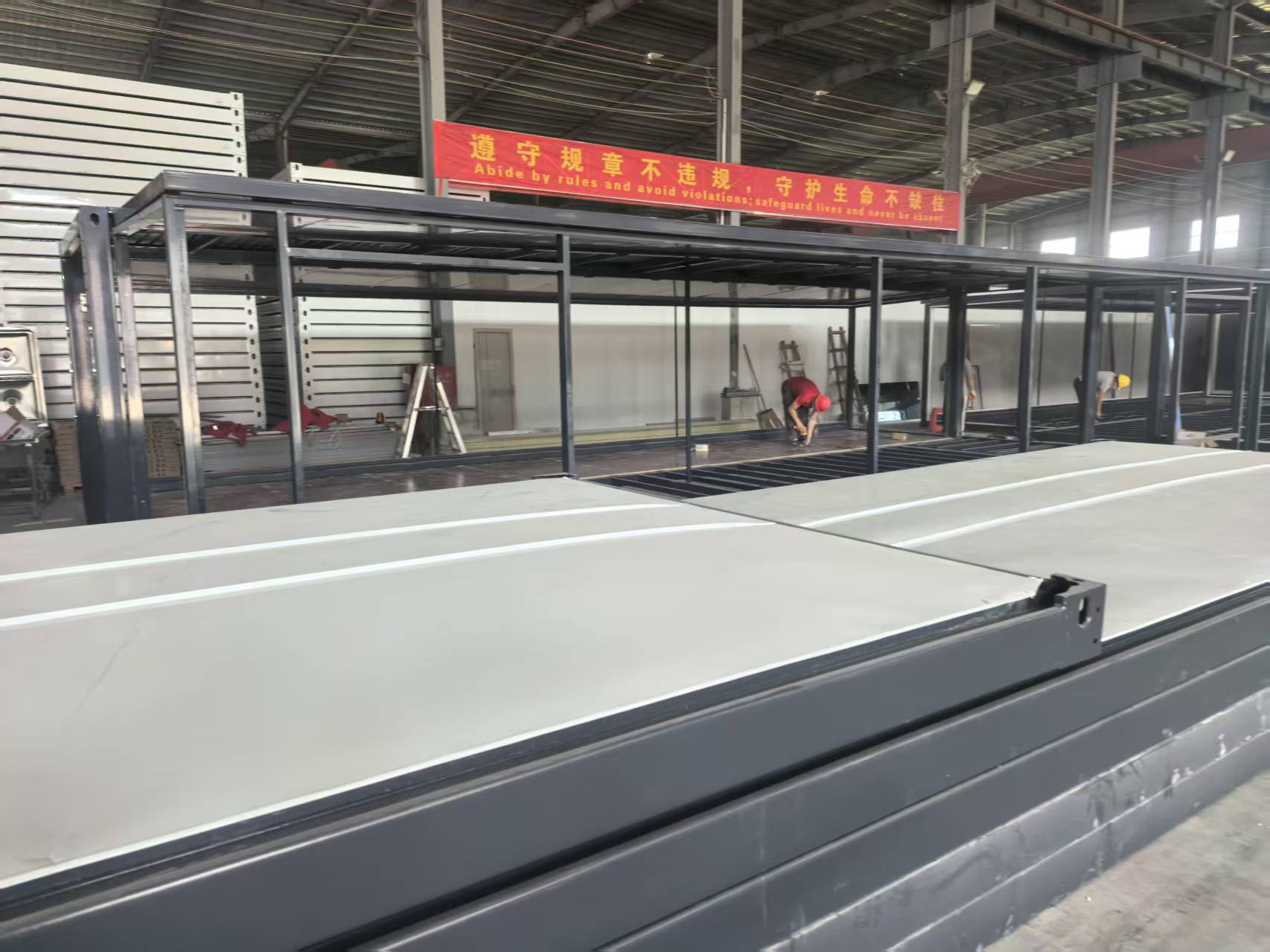
For certified products holding CE certification (such as modular container houses, space capsules, and expandable cabins under certificate No. 3N240819.GUTQO66), structural integrity is verified prior to dispatch. When damages occur due to harsh environmental exposure, the product’s built-in weather resistance—designed to withstand extreme temperatures and high winds—minimizes the likelihood of material degradation. In real-world applications, such as the Indonesian Coal Mine Living Area Project involving 2,000 sets of worker dormitories, local maintenance teams resolve minor deployment issues on-site using factory-supplied components, ensuring operational continuity without incurring international shipping liabilities.
The following table outlines how different issue types are classified, who bears the financial responsibility, and the standard resolution methods in the modular housing industry.
| Issue Type | Primary Responsibility | Shipping/Logistics Cost Bearer | Standard Resolution Method |
|---|---|---|---|
| Factory Manufacturing Defect | Manufacturer | Manufacturer (for replacement parts) | Free dispatch of replacement components, structural panels, or accessories; local repair compensation. |
| Transit / Shipping Damage | Insurance Provider / Carrier | Determined by Incoterms (CIF/FOB) | Filing a claim through marine cargo insurance; replacement parts ordered using insurance payouts. |
| On-Site Installation Error | Buyer / Local Contractor | Buyer | Technical support via remote guidance; buyer purchases replacement parts if structural damage occurs. |
| Force Majeure / Extreme Weather | Shared / Insurance | Buyer / Insurance | Utilization of weather-resistant materials; local structural reinforcement based on engineering analysis. |
Q1: What happens if the expandable house arrives with structural damage from ocean transport?
A1: If the shipment was secured under CIF terms, the marine insurance policy covers the damage. The buyer must document the damage with photos and videos immediately upon container opening to file a claim for replacement parts or structural components.
Q2: Can I return the entire expandable house if I cannot assemble it?
A2: No, returns are not accepted for assembly difficulties. Modern expandable houses feature optimized structures allowing a single person to complete the expansion within 10 minutes. Manufacturers provide step-by-step installation manuals and video guides to prevent setup errors.
Q3: How are warranty claims handled for electrical or window accessories?
A3: Verified accessory failures within the warranty period are resolved by express-shipping brand-new, matching components (such as doors, windows, or electrical fittings) directly to the buyer’s site, eliminating the need to return the defective items.
Resolving issues with expandable houses relies on clear contractual terms and robust quality verification before dispatch. Because physical returns of modular buildings are economically impractical, buyers should partner with manufacturers that implement strict factory testing, hold recognized international certifications, and offer comprehensive spare-parts support. It is highly recommended to secure appropriate marine insurance for all shipments transported in 40HQ or 20FT containers to mitigate transit risks. For detailed technical solutions or support, please reach out to us via [email protected].
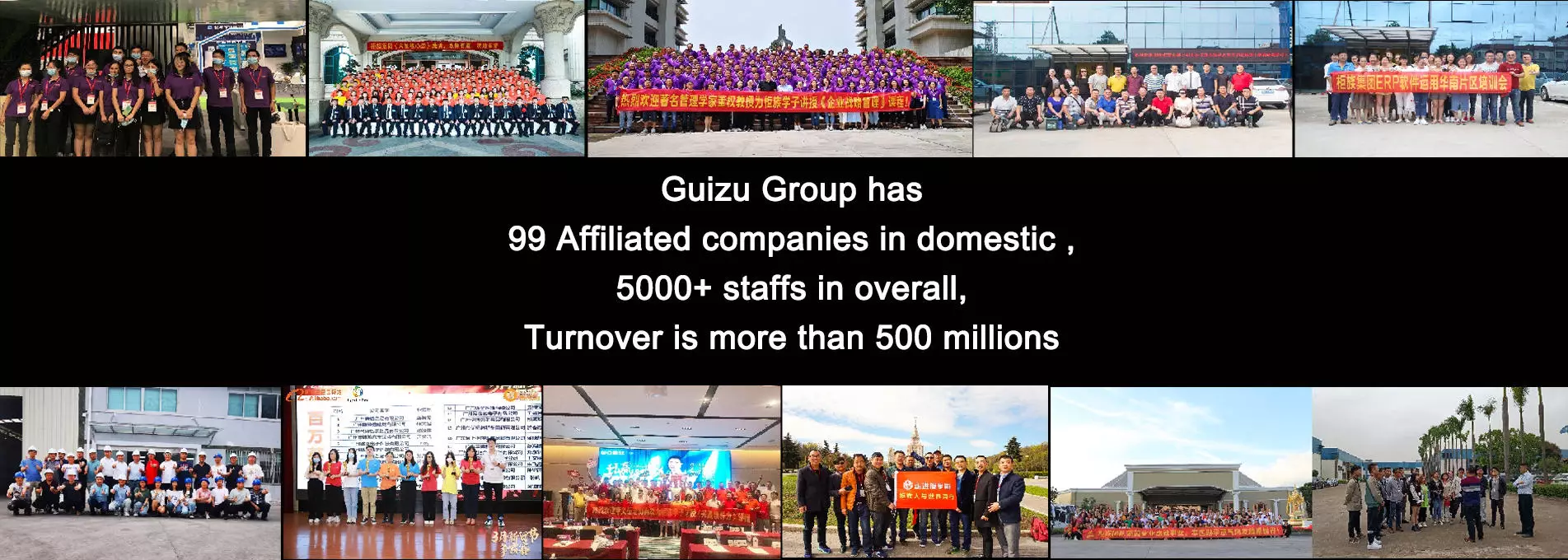
Guangdong Uni-House Technology Co., Ltd., established under the Guizu Group, is a specialized foreign trade enterprise providing design, R&D, production, and installation support for modular housing. The company operates a single-plant production base covering 30,000 square meters with an annual production capacity of 10,000 sets, utilizing automated laser cutting and robotic welding systems. Serving markets across Australia, Southeast Asia, the Middle East, and North America, its products hold CE certification, reflecting its commitment to strict structural optimization and weather-resistant technology.

Tags :
 Sign Up To Our Newsletters

Tel : +8613377650003
Email : [email protected]


© 2026 Guangdong Uni-House Technology Co., Ltd.

Hi! Click one of our members below to chat on