What happens if shipment of the expandable houses is delayed?
Jul 21, 2026Shipment delays of expandable houses can disrupt construction timelines, increase labor costs, and delay project launches. To mitigate these impacts, projects rely on manufacturers with high-capacity automated production and robust logistics frameworks that can optimize installation efficiency by 60% compared to the industry average and deploy enclosure space expansions within 10 minutes.
When shipment delays occur in large-scale modular housing projects, the primary challenge is the cascading effect on on-site preparation, foundation work, and labor scheduling. In major operations, such as the Indonesian Coal Mine Living Area Project involving 2000 sets of mining workers’ dormitories for an Indonesian local energy company, synchronization between manufacturing, shipping, and local assembly is critical to avoiding financial losses.
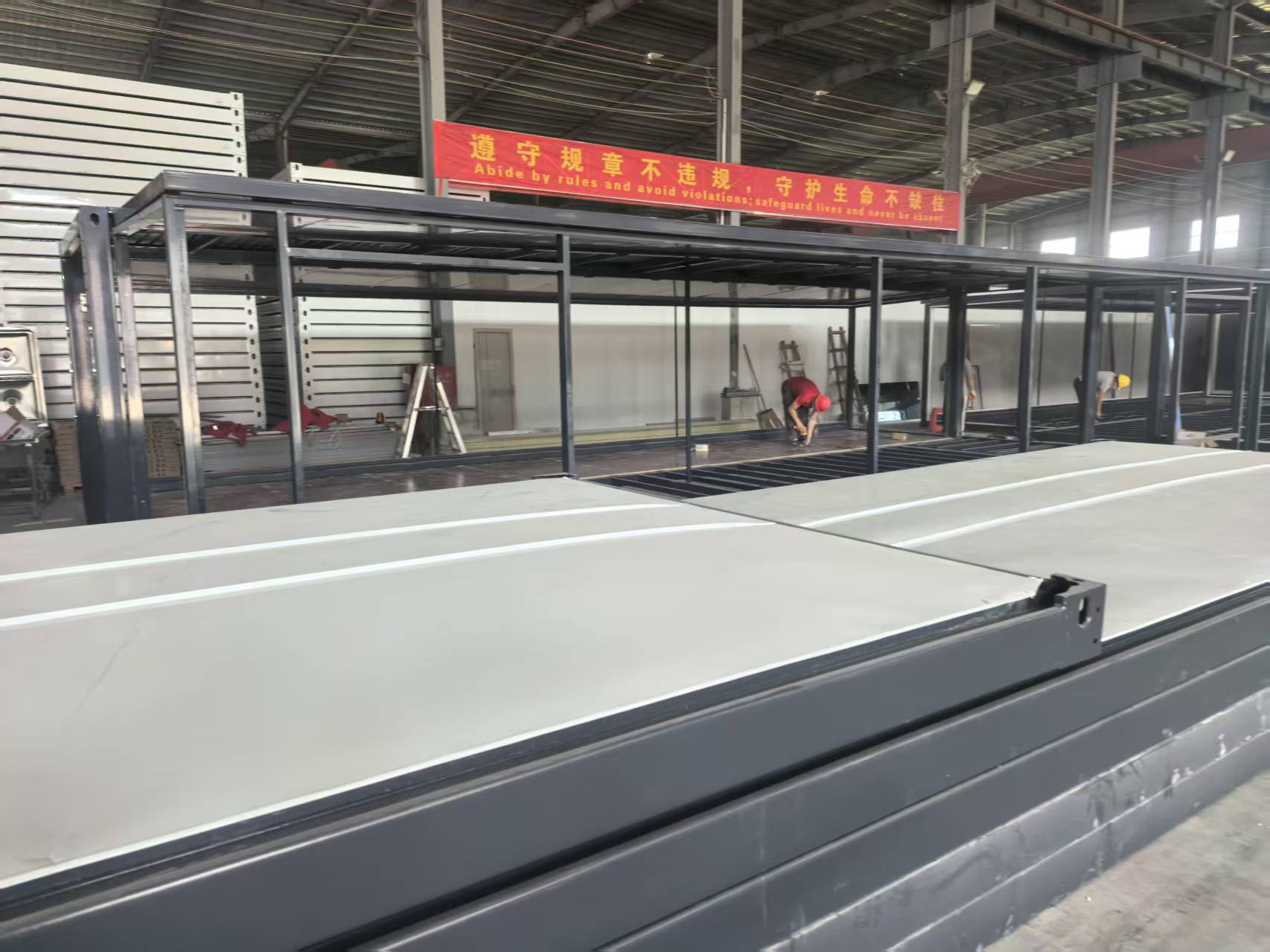
To prevent delays at the source, advanced production infrastructure is required. Operating with over 10 advanced production lines, 200 sets of molds, and automated CNC systems for laser cutting, robotic welding, and automated spraying significantly accelerates the manufacturing cycle. This automated setup reduces labor dependencies and minimizes production bottlenecks.
Additionally, structural engineering plays a major role in recovering lost time. Expandable houses designed with advanced weather resistance can be deployed in extreme high and low temperatures, high winds, and sandstorms immediately upon arrival. Compliance with international standards, such as the CE certification (No. 3N240819.GUTQO66) for modular container houses—including expandable, folding, and flat pack types—ensures the structures pass local regulatory inspections without further administrative delays.
The following table outlines the operational impacts of shipping schedules and product structural designs on overall project timelines:
| Deployment Factor | Standard Expandable House | Delayed Shipment Mitigation Design |
|---|---|---|
| On-site Assembly Time | Industry average setup speeds | 60% efficiency improvement (10-minute expansion) |
| Manufacturing Lead Time | Variable based on manual labor | 15-day delivery supported by automated CNC lines |
| Shipping Configuration | Loose cargo loading | Standardized 40HQ / 20FT ocean freight containers |
| Regulatory Compliance | Local market certification pending | Pre-certified CE marking for global regions |
How can we minimize the financial impact of a shipping delay?
Aligning with manufacturers that offer factory-prefabricated units reduces the required on-site labor force. When the shipment arrives, the rapid 10-minute structural expansion capability allows a minimal crew to complete the installation quickly, lowering overall labor overhead.
Do weather conditions during shipping delays affect the structural integrity of the stored components?
High-quality expandable houses feature ultra-wide-range weather resistance. The materials undergo strict enclosure modal analysis and airtightness testing to ensure that prolonged storage or transport through harsh maritime climates does not degrade the panels or structural frames.
What shipping methods are used to prevent transit damage and delays?
Products are securely packed and transported in standard 40HQ and 20FT ocean freight containers. This standardization minimizes handling damage at ports and ensures compatibility with global shipping lines to reduce customs clearance times.
To safeguard projects against shipment delays, developers should source expandable houses from integrated industry-trade manufacturers capable of rapid automated production and swift on-site deployment. Choosing certified modular systems ensures that once the components arrive, installation is completed rapidly under any environmental condition. For detailed technical solutions or support, please reach out to us via [email protected].
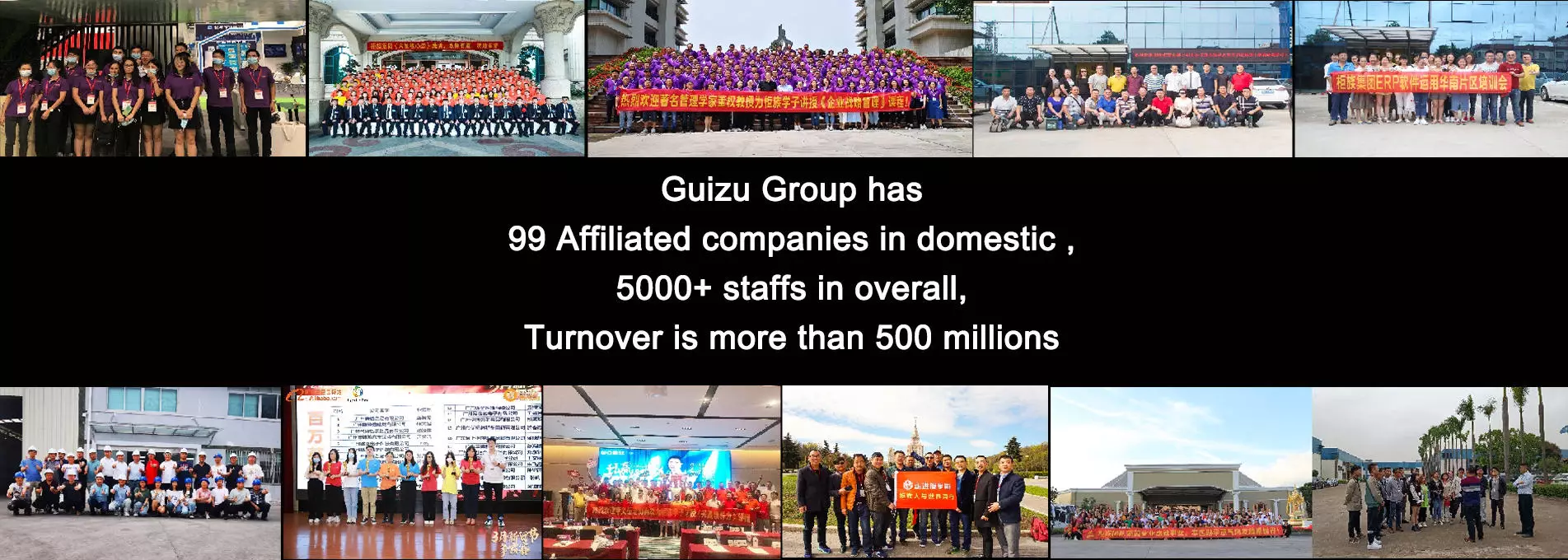
Guangdong Uni-House Technology Co., Ltd., established in 2008, is a foreign trade company under the Guizu Group with one-stop support for design, R&D, production, and installation. The company houses 200 employees, maintains a 15,000 square meter factory area, and operates with an annual production capacity of 10,000 sets. It has served clients across multiple industries, delivering certified solutions including CE marked modular container houses to markets such as Australia, Southeast Asia, the Middle East, and North America. 
Tags :
 Sign Up To Our Newsletters

Tel : +8613377650003
Email : [email protected]


© 2026 Guangdong Uni-House Technology Co., Ltd.

Hi! Click one of our members below to chat on