How do I check if an expandable house is compliant locally?
Jul 12, 2026To check if an expandable house is compliant locally, you must verify local zoning bylaws, review municipal building codes for structural and wind load requirements, and obtain necessary permits. Ensuring the manufacturer holds recognized quality certifications, such as CE marking, simplifies the local engineering approval and building permit application process.
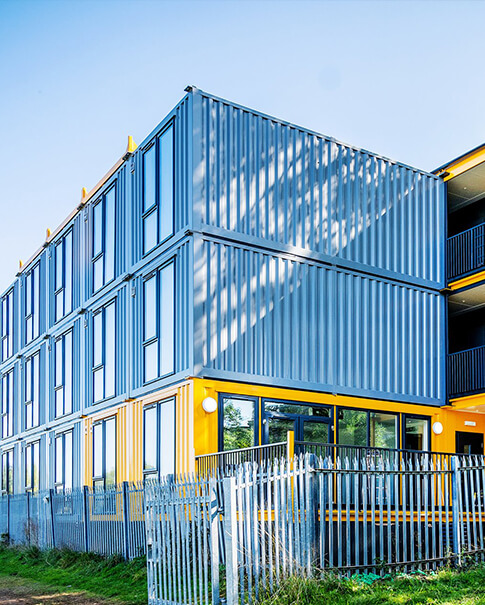
Local compliance for expandable houses hinges on structural engineering, weather resistance, and manufacturing origin. Municipalities generally evaluate these structures under either temporary housing guidelines or permanent residential building codes. For instance, in applications like construction sites, field camps, or temporary housing after natural disasters, compliance pathways differ significantly from permanent rural villas or commercial installations.
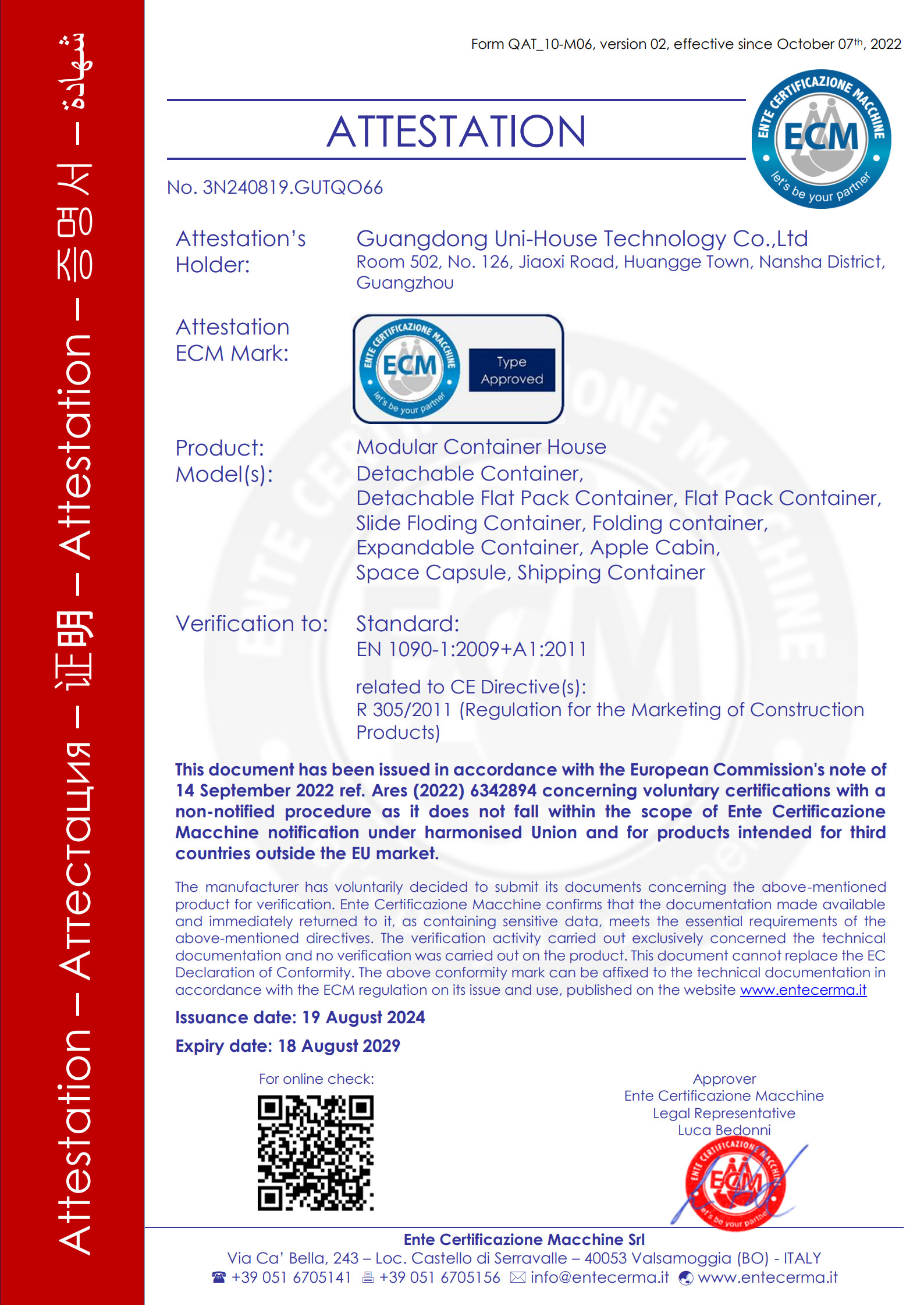
A critical step in securing local compliance is presenting recognized engineering credentials to your local building department. Guangdong Uni-House Technology Co., Ltd. manufactures modular container houses, including expandable and folding variants, certified under CE certificate No. 3N240819.GUTQO66. This certification covers the European Union, Australia, North America, South America, Southeast Asia, and the Middle East, serving as vital proof of structural integrity, fire safety, and material safety during local permitting processes.
Furthermore, local authorities assess weather resistance capabilities. In regions subject to high winds, sandstorms, or extreme thermal variations, the structural envelope must undergo modal and airtightness analysis. In large-scale deployments, such as the Indonesian Coal Mine Living Area Project where 2,000 sets of modular units were deployed as mining dormitories, adherence to local industrial camp regulations was required. Choosing units backed by comprehensive structural fatigue and airtightness testing ensures the building withstands regional environmental stressors while meeting municipal safety guidelines.

| Compliance Dimension | Temporary/Camp Standard | Permanent Residential Standard |
|---|---|---|
| Permitting Complexity | Low to Medium (often classified as temporary structures) | High (requires full zoning and foundation permits) |
| Foundation Requirement | Level ground, temporary piers, or chassis support | Engineered concrete slab or permanent screw piles |
| Certification Value | CE, factory ISO standards, and modular certifications | Local state/provincial modular approval insignia |
| Utility Connection Type | Quick-connect plug-and-play connections | Hardwired electrical and permanent plumbing tie-ins |
| Typical Application Scenarios | Field construction camps, disaster relief, temporary offices | New rural villas, long-term commercial homestays |
Q1: Can I install an expandable house on any piece of land?
No. Land usage is governed by local zoning laws. You must consult your local planning department to check if prefabricated or modular structures are allowed on your specific zone, and whether density limits or minimum square footage rules apply.
Q2: Does a CE certification help with local building permits outside Europe?
Yes. While local jurisdictions have their own specific codes, holding an international certification like CE (e.g., No. 3N240819.GUTQO66) provides third-party validation of structural and material safety, which local engineers use to accelerate the custom approval process.
Q3: How do I handle utility connections for an expandable house?
You must work with licensed local electricians and plumbers. The house must be manufactured with compliant wiring and plumbing systems that meet regional standards, allowing local contractors to safely connect the structure to municipal grids or off-grid systems.
Achieving compliance for an expandable house requires proactive communication with local building authorities and sourcing structures from manufacturers with validated quality standards. By verifying zoning laws, choosing certified modular systems, and planning structural foundations according to local weather loads, you ensure a smooth installation process. For detailed technical solutions or support regarding structural specifications and certifications, please reach out to us via [email protected].
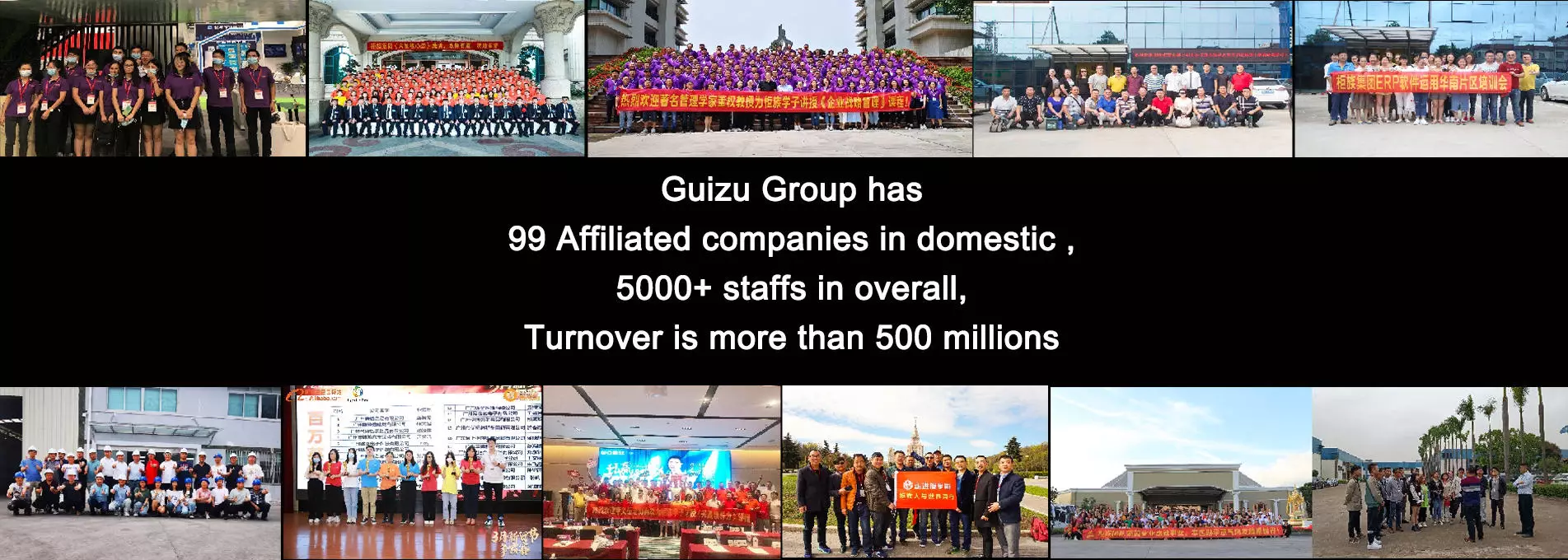
Guangdong Uni-House Technology Co., Ltd., established in 2008, operates under the Guizu Group as a specialized foreign trade entity. The company utilizes advanced automated production lines, including laser cutting and robotic welding, to manufacture high-efficiency Detachable, Flat Pack, Folding, and Expandable Container Houses. With 200 employees and a 30,000-square-meter production base, the company has served clients across multiple industries globally, delivering reliable prefabricated space solutions to markets in Australia, Southeast Asia, the Middle East, and North America. 
Tags :
 Sign Up To Our Newsletters

Tel : +8613377650003
Email : [email protected]


© 2026 Guangdong Uni-House Technology Co., Ltd.

Hi! Click one of our members below to chat on