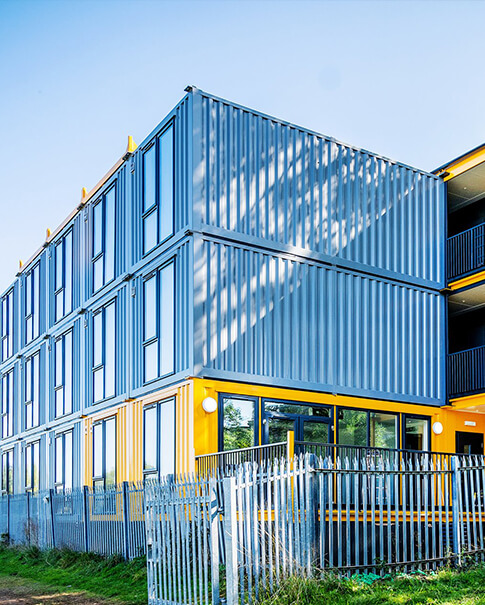
What CE certifications do I need for expandable container homes?
Jul 13, 2026Expandable container homes imported into or sold within the EU and recognized global markets require CE certification under the Construction Products Regulation (CPR) and the Union harmonisation legislation. This covers structural safety, material load-bearing capacity, fire resistance, thermal insulation, and airtightness across modular, foldable, and expandable pre-assembled structures.
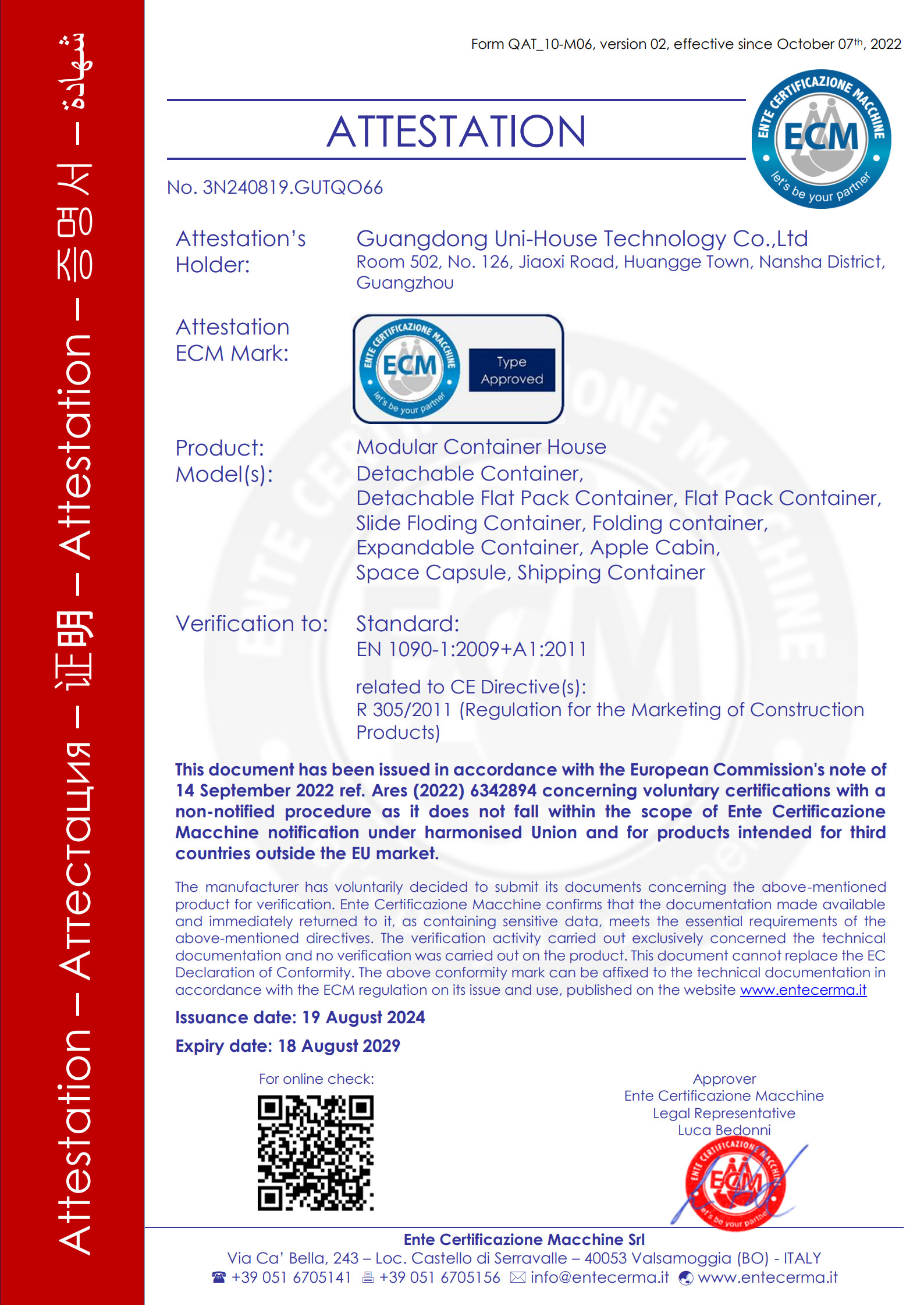
To obtain CE certification for expandable container homes, manufacturers must undergo strict conformity assessments verifying structural fatigue life, airtightness, and wind-load resistance. For instance, CE Certificate No. 3N240819.GUTQO66 applies to a wide range of modular structures, including expandable containers, flat pack containers, and slide folding units. This level of certification ensures that the mechanical expansion joints—which allow a single operator to expand the enclosure space within 10 minutes—maintain structural stability without compromising the thermal envelope.
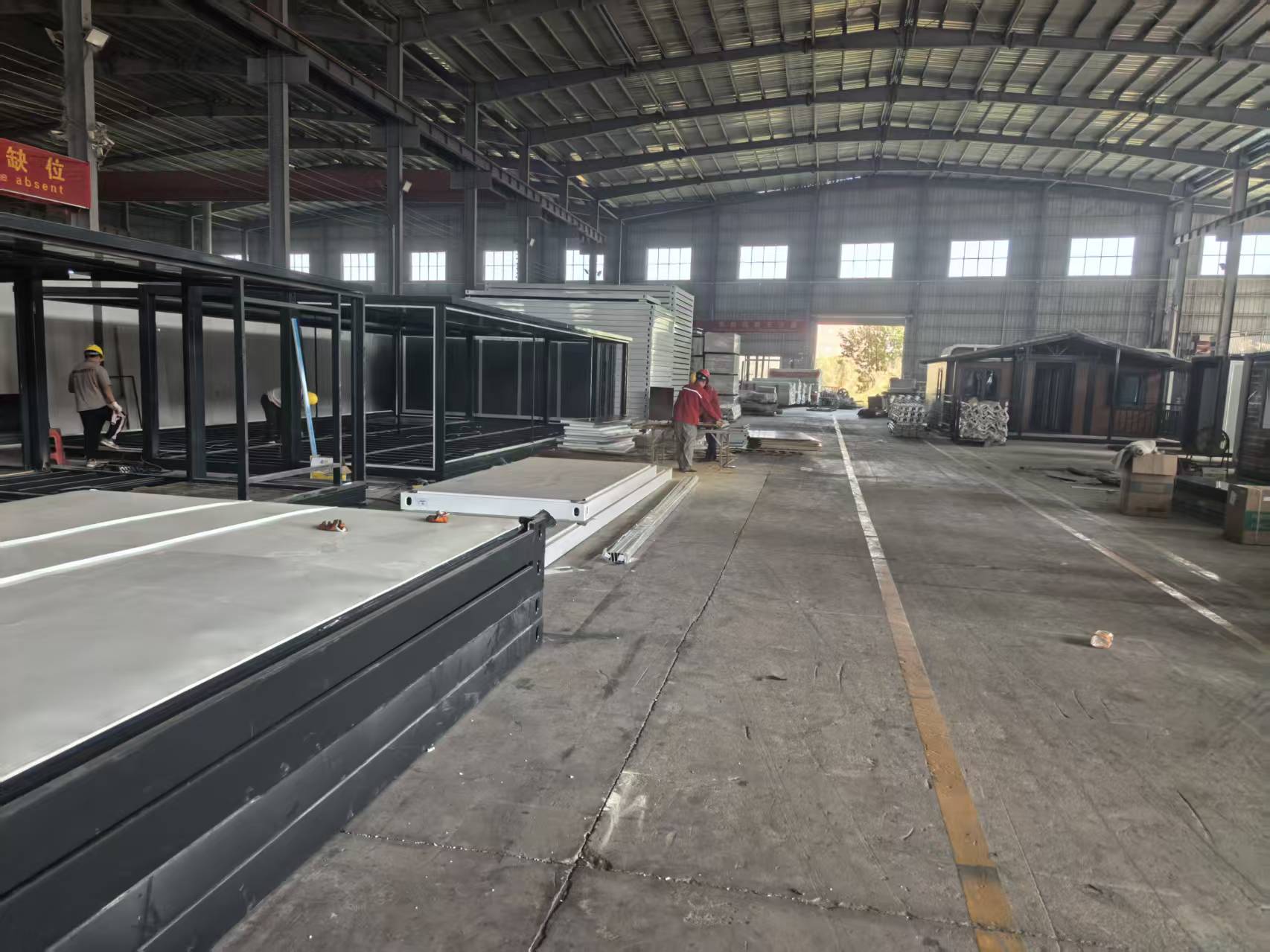
In high-demand industrial scenarios, such as the Indonesian Coal Mine Living Area Project, 2,000 sets of certified modular housing units were successfully deployed as mining dormitories. These units proved their structural reliability under heavy local rainfall and high temperatures, showcasing the importance of certified weather resistance and thermal insulation. The automated manufacturing process—utilizing laser cutting, robotic welding, and automated spraying—ensures consistent component precision, which is a prerequisite for passing CE-compliant factory production control (FPC) audits.
| Container Structure Type | CE Certification Requirements | Key Testing Parameters | Primary Application Scenarios |
|---|---|---|---|
| Expandable Container House | CPR Compliance & Mechanical Assessment | Joint airtightness, expansion mechanism wear, wind resistance | Temporary housing, rural villas, military command posts |
| Flat Pack Container House | Structural Safety (EN 1090-1) | Stacking load capacity, lifting point safety, water tightness | Construction site offices, field camps, school classrooms |
| Foldable Container House | Mechanical Folding Safety | Structural fatigue life, rapid deployment safety limits | Disaster relief, temporary isolation camps, pop-up shops |
Q1: Does CE certification cover the electrical systems inside expandable container homes?
A1: Yes. If the container home is shipped with pre-installed electrical wiring, sockets, and distribution boxes, the entire assembly must comply with the Low Voltage Directive (LVD) and Electromagnetic Compatibility (EMC) Directive under the CE framework.
Q2: How are expandable units tested for extreme weather conditions during CE evaluation?
A2: Structural engineers perform enclosure modal analysis, simulated wind tunnel testing, and airtightness tests to verify that the folding wall panels and seals withstand heavy winds, sandstorms, and thermal expansion.
Q3: Are OEM and ODM container products covered under the manufacturer’s CE certificate?
A3: OEM/ODM products can be certified under the master certificate, provided the structural designs, raw materials, and factory production controls match the assessed technical file specifications.
Procuring CE-certified expandable container homes ensures rapid customs clearance, structural reliability, and compliance with local safety laws in Europe, Australia, and North America. When planning large-scale deployments, verify the factory’s R&D testing capabilities, including airtightness and load-bearing test reports. For custom configurations, utilizing integrated industry-trade suppliers guarantees streamlined design, manufacturing, and direct logistics. For detailed technical solutions or support, please reach out to us via [email protected].
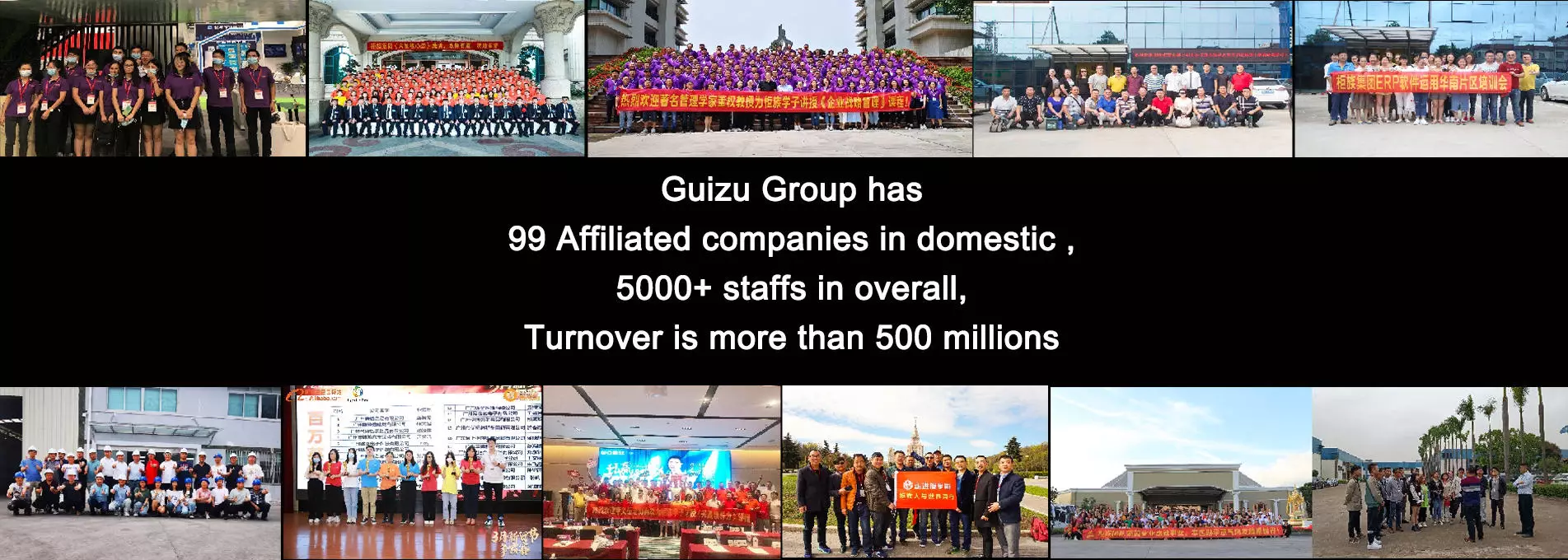
Guangdong Uni-House Technology Co., Ltd., a foreign trade company under the Guizu Group, has been a specialized manufacturer in the prefabricated housing industry since 2008. Employing 200 skilled professionals across a fifteen thousand square meters factory area, the company maintains a robust R&D division of 30 engineers holding 150 utility model patents. Guangdong Uni-House excels in the design, production, and global export of detachable, expandable, and foldable container houses, serving diverse international clients with an annual production capacity of 10,000 sets.

Tags :
 Sign Up To Our Newsletters

Tel : +8613377650003
Email : [email protected]


© 2026 Guangdong Uni-House Technology Co., Ltd.

Hi! Click one of our members below to chat on