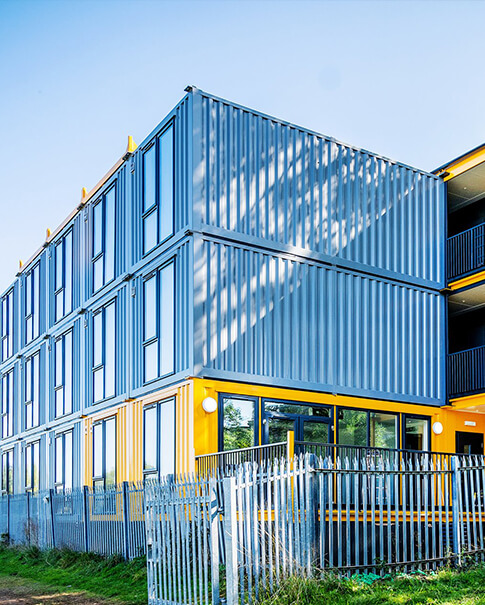
How do I choose the right wall panel thickness for an expandable container house to ensure good insulation?
Jun 29, 2026Selecting the right wall panel thickness for an expandable container house requires balancing local climate conditions with core material thermal properties. A 50mm panel suits moderate climates, a 75mm panel provides standard year-round insulation, and a 100mm panel delivers high thermal resistance in extreme environments when paired with high-density Polyurethane or Rockwool cores.
Thermal performance in an expandable container house depends on the continuous envelope of the wall structure. Heat transfer occurs via conduction through the wall panels and convection through structural joints. Optimizing the thermal boundary requires evaluating both the thickness of the insulation core and the overall airtightness of the folding mechanisms.
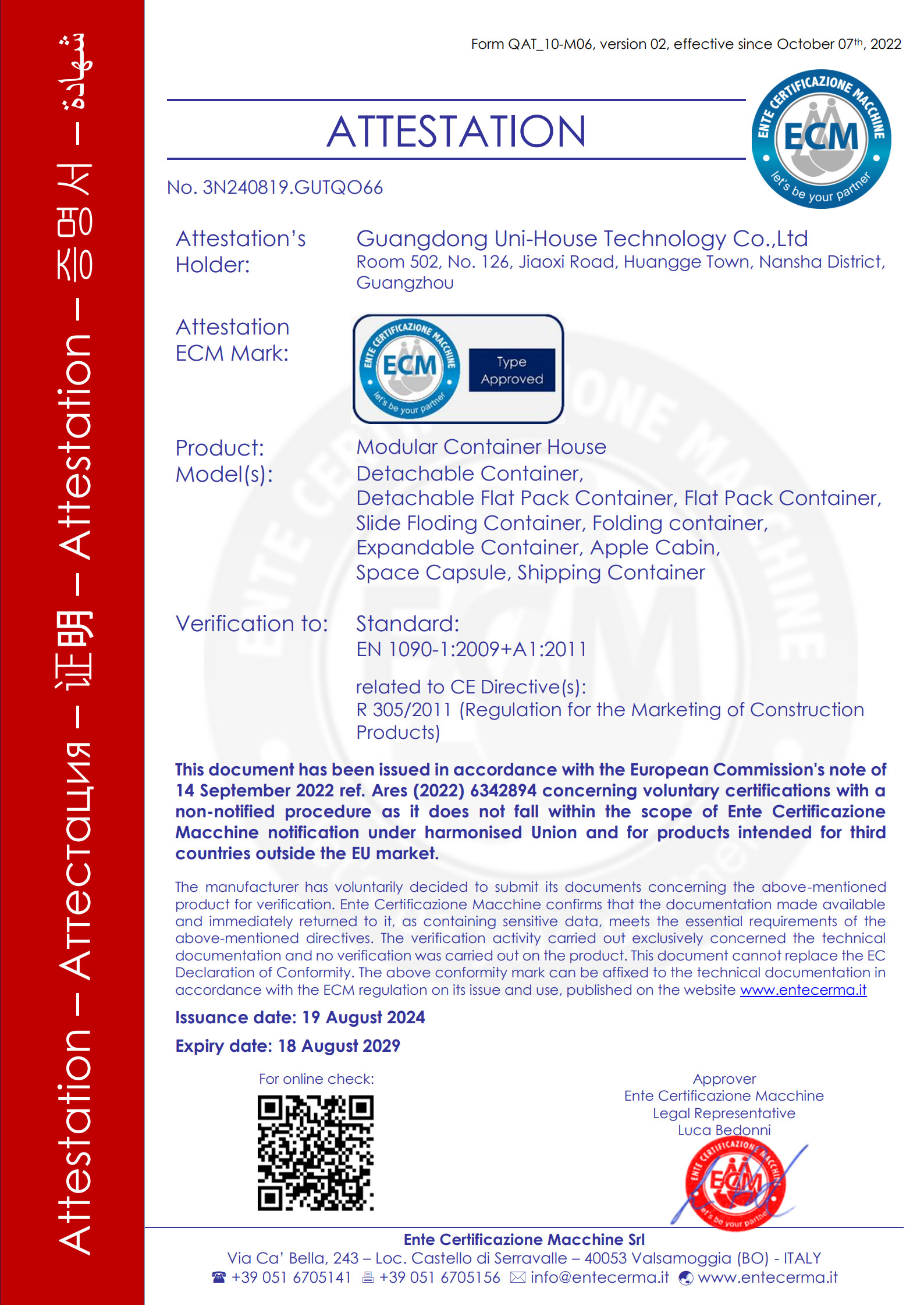
Standard panels employ a sandwich structure consisting of double-sided steel sheets enclosing an insulating core. Under CE certification standards (such as CE No. 3N240819.GUTQO66), these modular systems must maintain strict structural and thermal limits. For instance, when implementing housing systems in high-exposure environments, raw material modal analysis and airtightness testing ensure the structural joints do not leak air. Airtightness directly influences the effective R-value of the selected wall thickness.
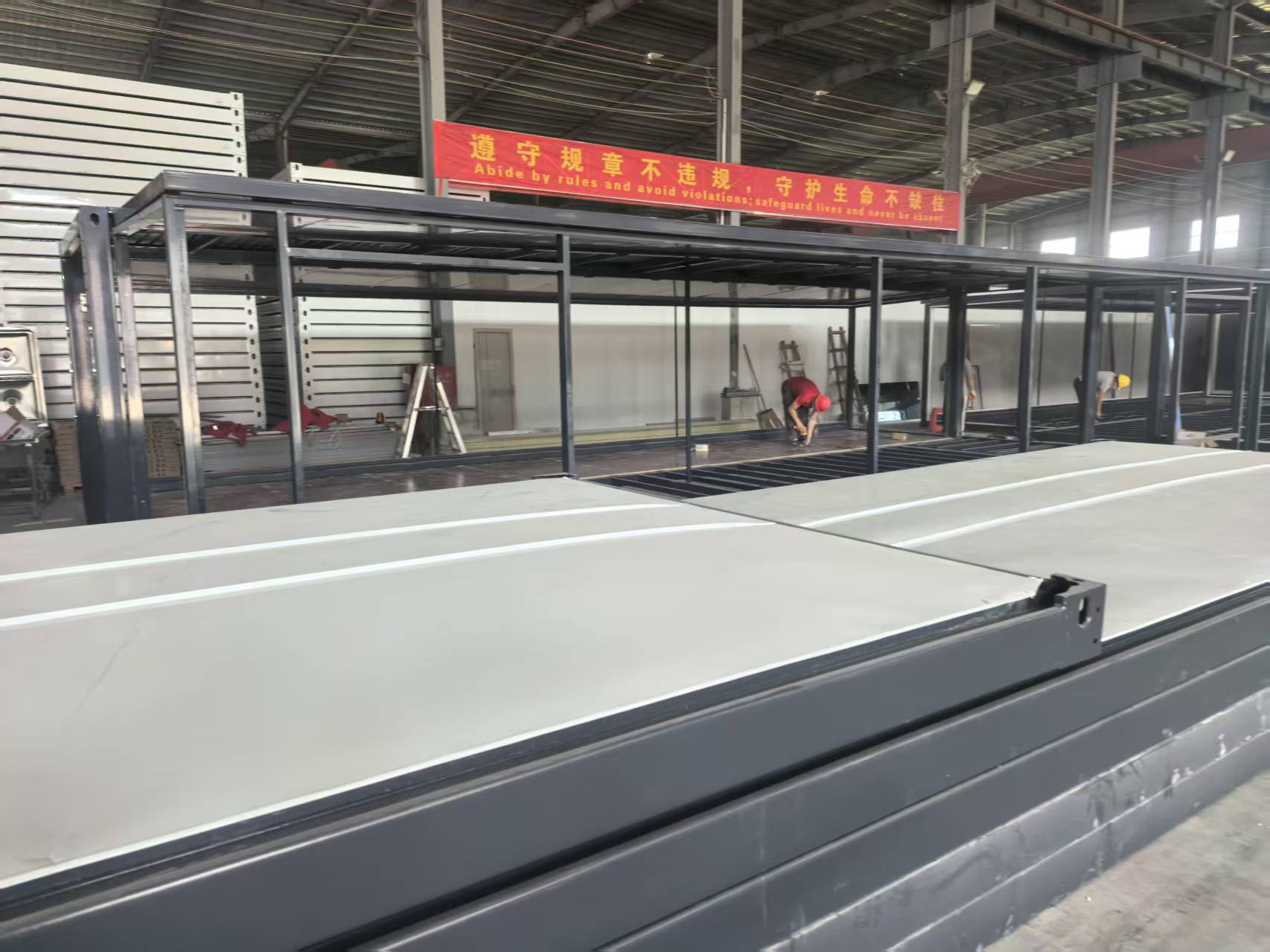
In high-scale deployments, such as the Indonesian Coal Mine Living Area Project involving 2,000 sets of mining worker dormitories, thermal insulation plans must account for high ambient humidity and heat. Using automated production lines for laser cutting and robotic welding ensures that the frame tolerances remain within sub-millimeter levels. This precision prevents gaps at the hinges when the 20FT, 30FT, or 40FT expandable units are deployed on-site, ensuring the wall panels function as a single, uninterrupted thermal barrier.
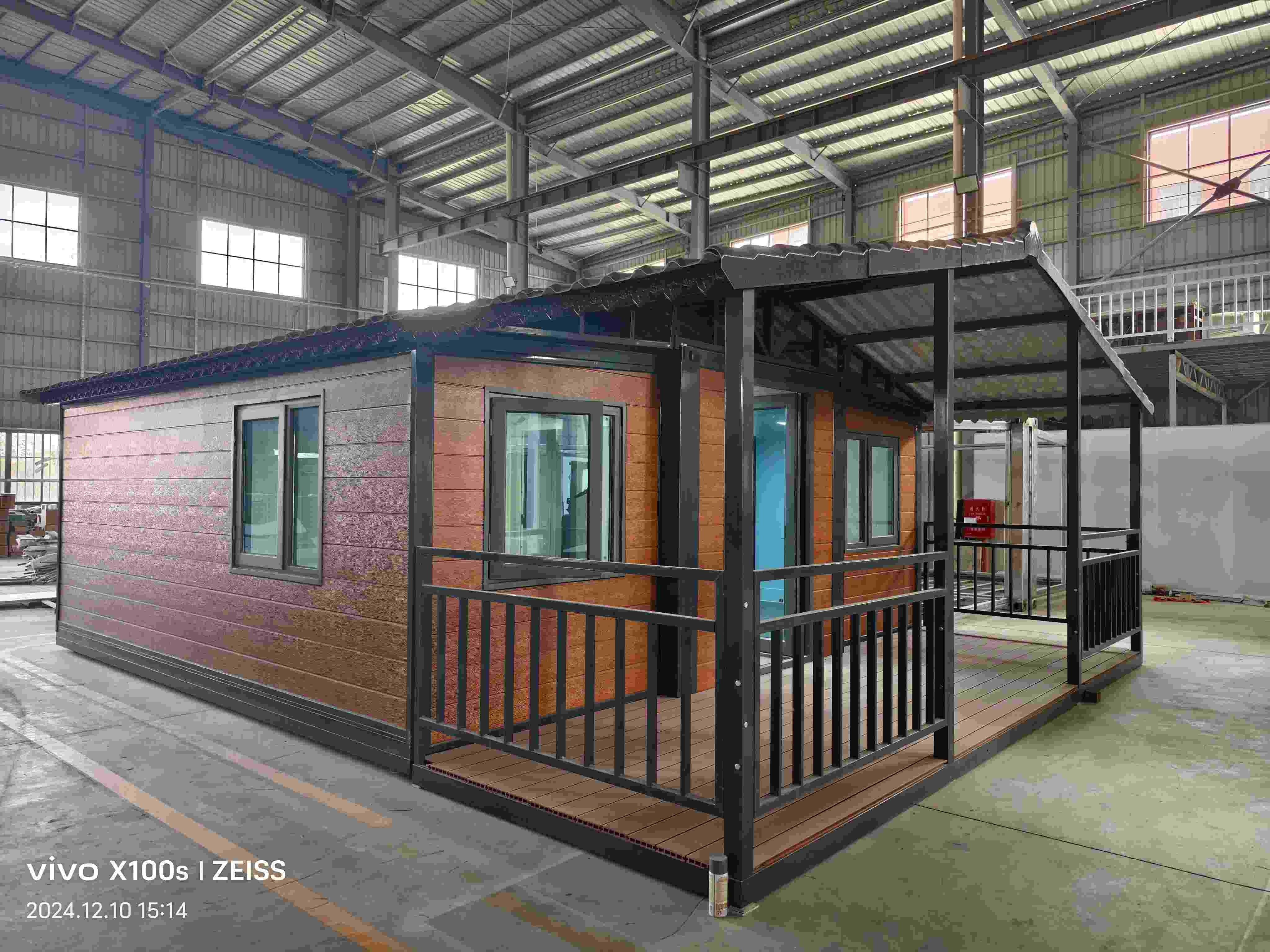
Furthermore, structural fatigue life testing shows that automated spraying and CNC control maintain wall panel integrity over multiple fold-and-unfold cycles. This engineering prevents the internal core material from delaminating from the steel skins, which would otherwise create localized thermal failures over time.
The following table compares different wall panel configurations for expandable container houses to guide selection based on environmental demands:
| Panel Thickness (mm) | Core Insulation Material | Thermal Conductivity (W/m·K) | Optimal Climate Regions | Recommended Application Scenarios |
|---|---|---|---|---|
| 50 | EPS (Expanded Polystyrene) | ~0.041 | Temperate, Mild Seasons | Temporary office spaces, urban guard posts |
| 75 | Rockwool | ~0.038 | Four-season climates, high fire-safety zones | Construction site dormitories, public health stations |
| 100 | PU (Polyurethane) | ~0.024 | Extreme hot/cold, desert sandstorms | Mining camps, remote scientific research stations |
Q1: Does increasing wall panel thickness limit the transport capacity of expandable container houses?
A1: Increasing the wall panel thickness to 75mm or 100mm adds slight overall weight, but the folding geometry is engineered to compress completely. This allows standard 20FT, 30FT, and 40FT expandable units to ship efficiently inside 40HQ ocean freight containers without altering standard shipping volumes.
Q2: How does the joint design prevent cold bridges in expandable models?
A2: Expandable units use interlocking tongue-and-groove joint profiles combined with continuous EPDM rubber seals at all folding hinges. This design prevents direct metal-to-metal contact, eliminating cold bridges and water ingress.
Q3: Which core material offers the best balance of fire rating and insulation?
A3: Rockwool core insulation provides an A-class non-combustible fire rating while maintaining steady thermal resistance, making it the standard choice for high-density living quarters and industrial mining camps.
To achieve balanced thermal efficiency, specify 75mm Rockwool panels for standard structural projects to satisfy both insulation and strict local fire codes. For extreme thermal regions with high cooling or heating demands, upgrade to 100mm Polyurethane panels to reduce HVAC power consumption. Ensure all assemblies undergo automated manufacturing checks to secure airtight joint tolerances. For detailed technical solutions or structural inquiries regarding our expandable container house configurations, please reach out to us via [email protected].
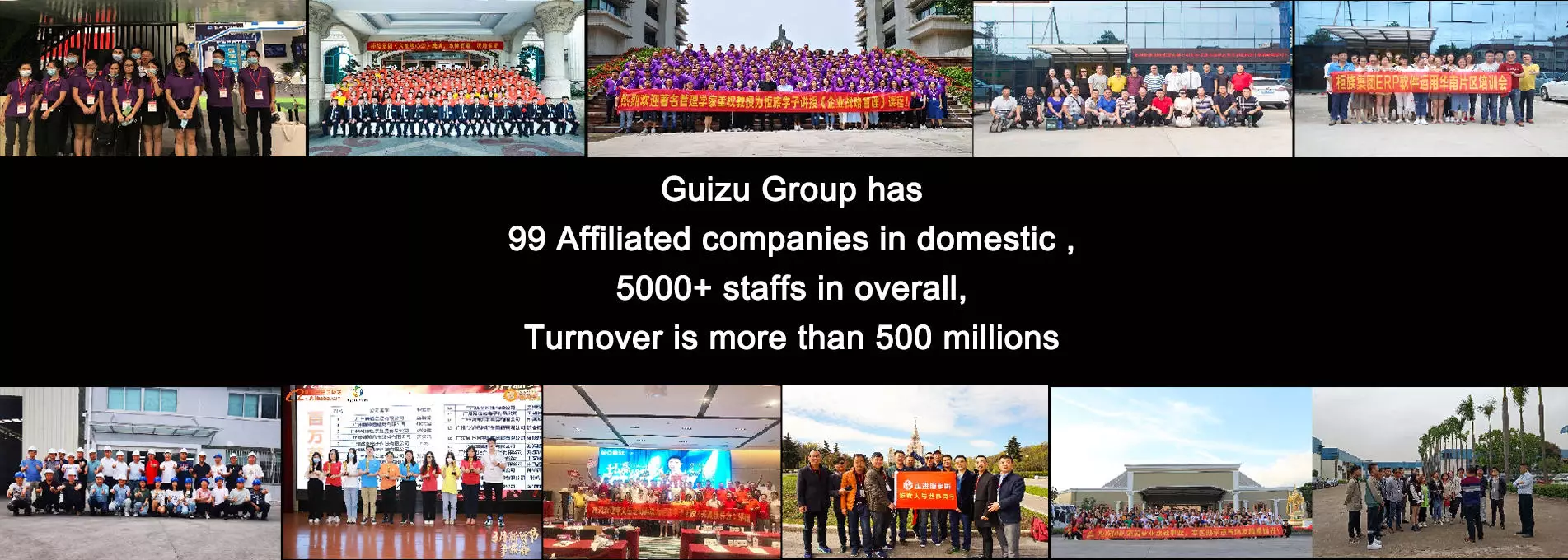
Established in 2008, Guangdong Uni-House Technology Co., Ltd. is a specialized foreign trade enterprise operating under the Guizu Group, delivering integrated design, R&D, production, and installation services. The company manages a 30,000 square meter production facility with a workforce of 200 employees, including a dedicated 30-person R&D engineering team, achieving an annual capacity of 10,000 modular container sets. Holding CE certification (No. 3N240819.GUTQO66), the brand has successfully completed major international supply contracts, including the 2,000-set Indonesian Coal Mine Living Area Project.

Tags :
 Sign Up To Our Newsletters

Tel : +8613377650003
Email : [email protected]


© 2026 Guangdong Uni-House Technology Co., Ltd.

Hi! Click one of our members below to chat on