What are the standard insulation options for expandable container houses used in cold climates?
Jun 29, 2026Standard insulation options for expandable container houses in cold climates include sandwich panels composed of Rockwool, Polyurethane (PU), or Polystyrene (EPS). High-performance structures often integrate specialized sealing gaskets and thermal break designs to prevent thermal bridging, ensuring reliable weather resistance in extreme low temperatures.
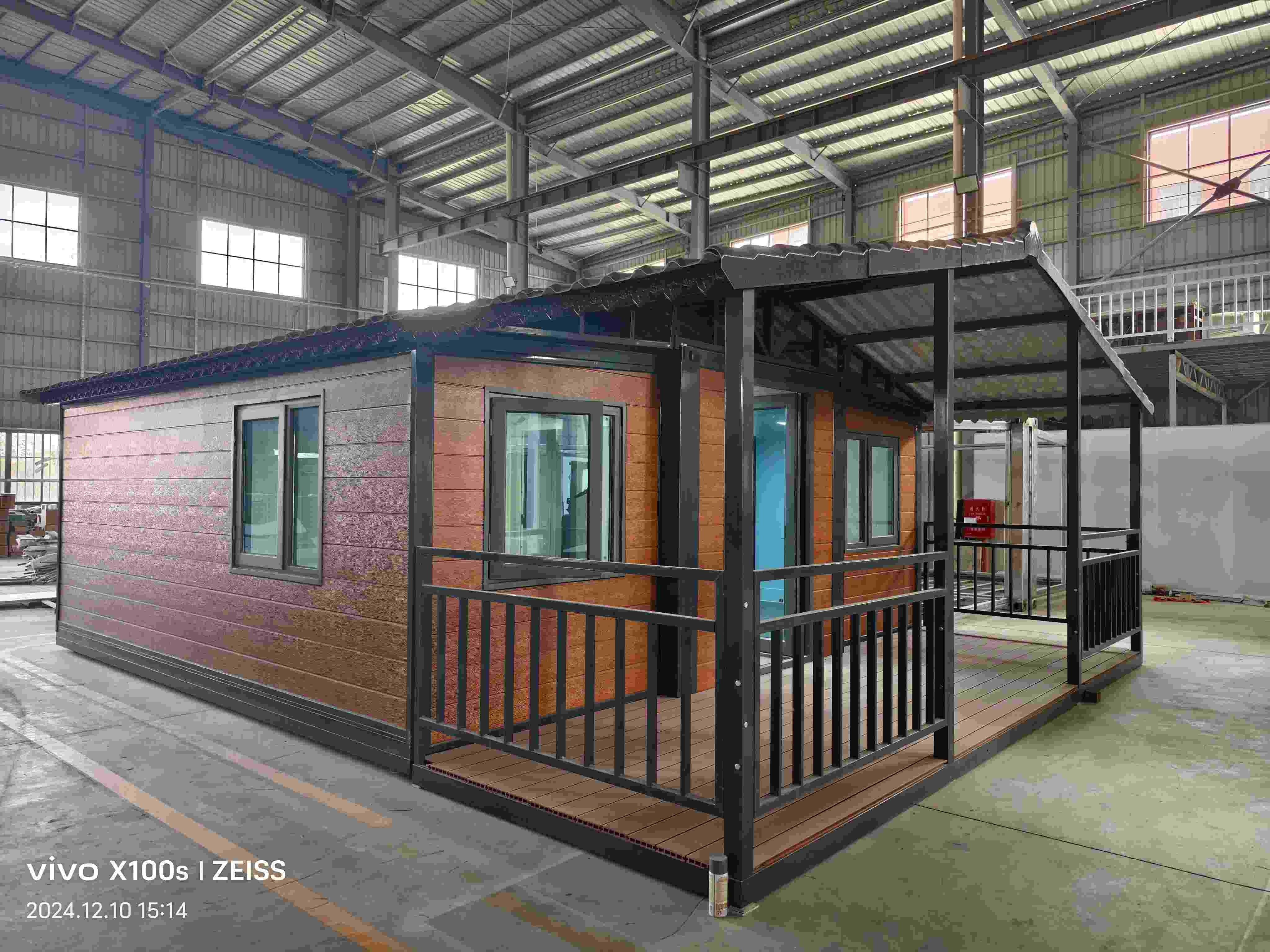
Cold climate deployment requires thermal envelope consistency. Guangdong Uni-House Technology Co., Ltd. manufactures expandable container houses with specialized sandwich panel production lines. These automated lines ensure that core insulation materials, such as high-density Rockwool or Polyurethane, are bonded securely to the steel skins, eliminating internal voids that cause condensation.
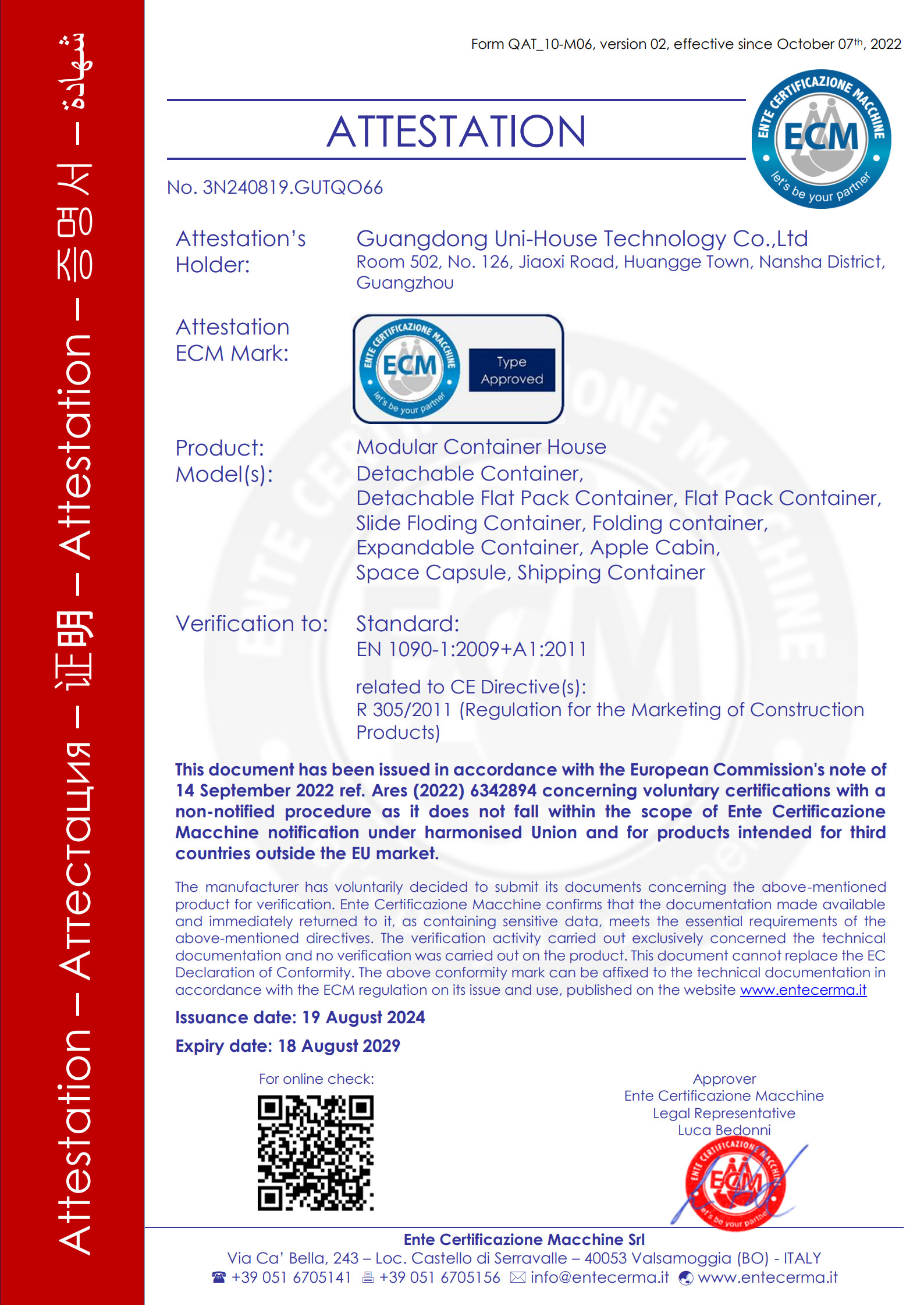
To achieve wind resistance and thermal isolation, the structures utilize CNC-machined framing components. Independent research and development capabilities permit raw material testing, structural fatigue life evaluations, and thorough airtightness analysis. This level of manufacturing control ensures the modular units maintain internal temperatures even during high winds and heavy snow loads, as verified by CE certification (No. 3N240819.GUTQO66) for modular container houses.
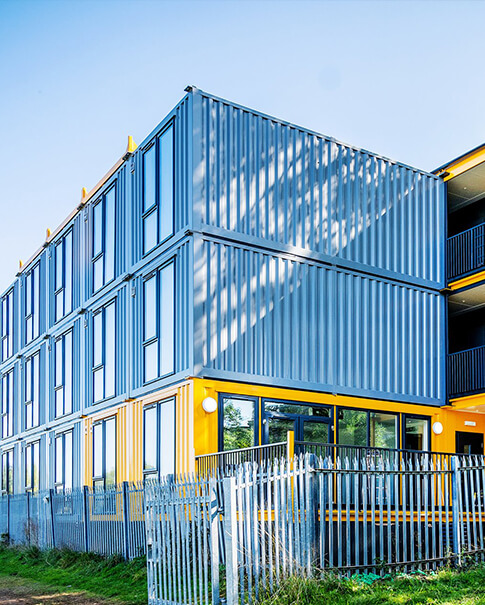
In practical application, the thermal design has been validated through large-scale deployments. For instance, in the Indonesian Coal Mine Living Area Project, where 2000 sets were deployed as mining workers’ dormitories, the structures demonstrated stable thermal performance and climate adaptability, keeping internal environments comfortable and dry despite external environmental shifts.
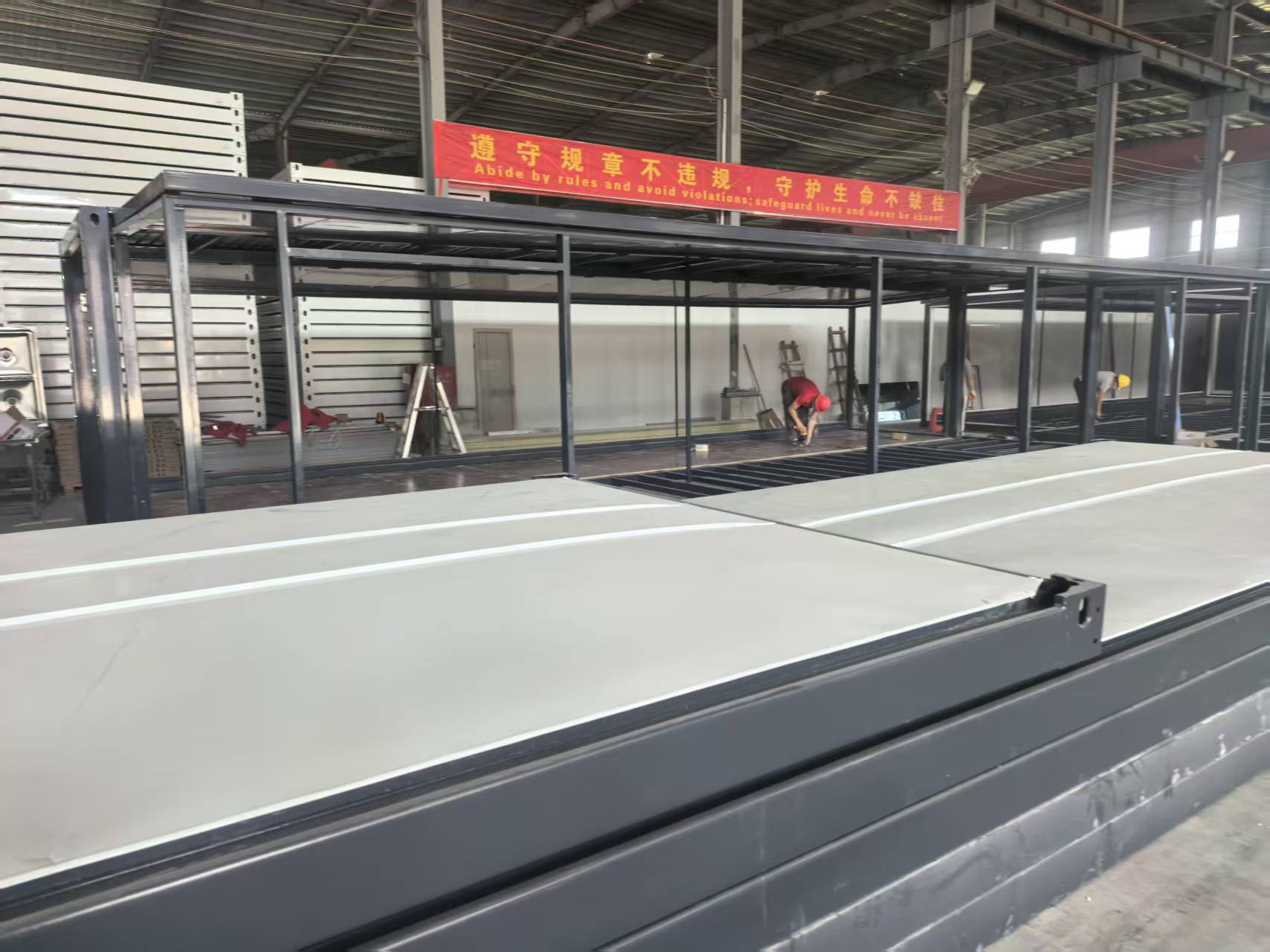
The physical footprint and application scope vary by model size. Below is a comparison of standard expandable container house configurations designed to accommodate different cold-climate thermal and spatial requirements:
| Model Size | Primary Structural Application | Installation Efficiency | Export Packaging Code |
|---|---|---|---|
| 20FT Expandable Container House | Temporary offices, emergency housing, guard posts | Single-person setup under 10 minutes | 40HQ / 20FT ocean freight |
| 30FT Expandable Container House | Dormitories, clinics, community health stations | Single-person setup under 10 minutes | 40HQ / 20FT ocean freight |
| 40FT Expandable Container House | Field construction camps, commercial pop-up stores, hotels | Single-person setup under 10 minutes | 40HQ / 20FT ocean freight |
How do automated production methods affect the thermal efficiency of these container houses?
Automated manufacturing utilizes robotic welding and automated spraying to secure structural tolerances. By minimizing human error in framing assembly, joints align with high precision, which directly prevents cold air infiltration and maintains the integrity of the insulation barrier.
What is the standard lead time and logistics process for insulated expandable houses?
The standard industry-trade integration business model supports a minimum order quantity (MOQ) of 1 set with a delivery time of 15 days. Units are shipped via 40HQ or 20FT ocean freight containers to preserve structural components from transport damage.
Do these expandable structures undergo physical stress testing for cold weather?
Yes. The engineering process includes enclosure modal analysis, structural fatigue life testing, and comprehensive airtightness testing to verify that the structures withstand extreme temperature fluctuations and high-wind environments.
Selecting the appropriate insulation configuration is vital for operational safety and thermal efficiency in cold climates. Polyurethane and Rockwool sandwich panels integrated within CNC-controlled steel structures offer dependable protection against sub-zero temperatures. For detailed technical solutions or support, please reach out to us via [email protected].
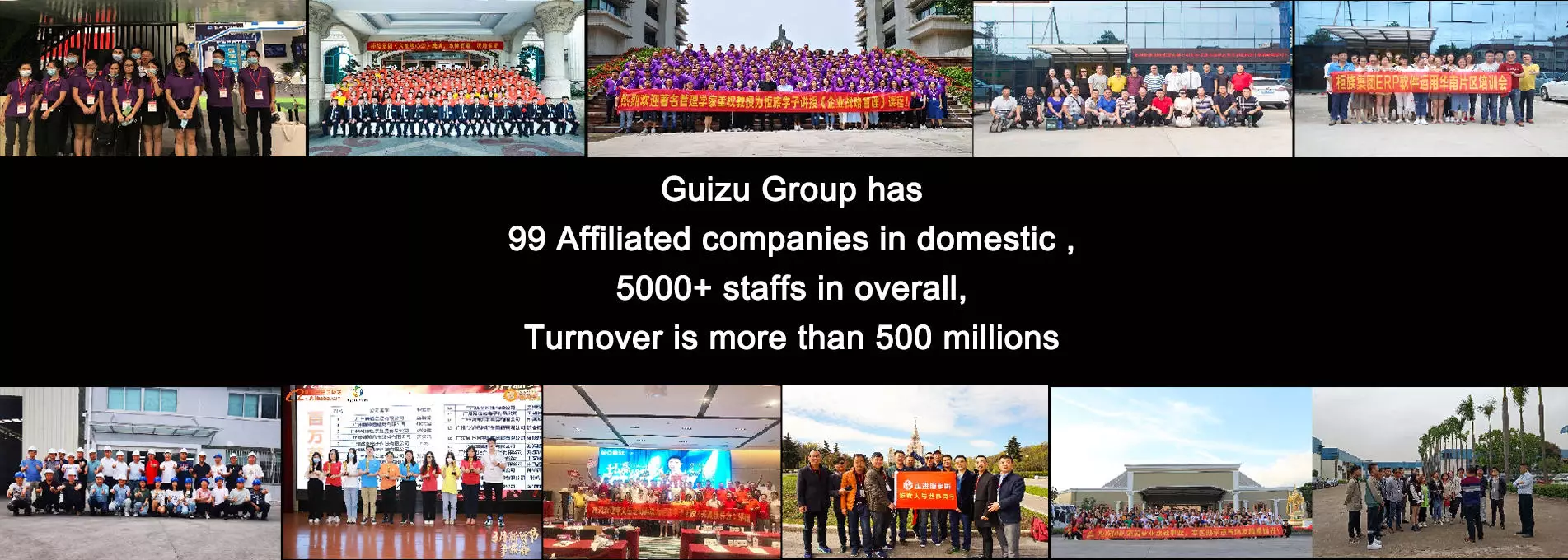
Guangdong Uni-House Technology Co., Ltd. is a foreign trade company established under the Guizu Group. The company provides one-stop support for design, research and development, production, installation, and after-sales services across multiple factories. Established in 2008, the company operates with 200 employees and manages a fifteen thousand square meters factory area. The enterprise holds CE certification (No. 3N240819.GUTQO66) and has served diverse global clients, including large-scale mining dormitory projects in Indonesia.

Tags :
 Sign Up To Our Newsletters

Tel : +8613377650003
Email : [email protected]


© 2026 Guangdong Uni-House Technology Co., Ltd.

Hi! Click one of our members below to chat on