How do I choose the right wind resistance rating for a K-House on a coastal construction site?
Jul 22, 2026Choosing the right wind resistance rating for a K-House on a coastal construction site requires selecting a galvanized steel frame certified for at least Grade 8 wind loads (about 62–74 km/h). Key components like 1.8mm to 2.0mm thick C-channel columns, rigid base beams, and high-density polyurethane or rock wool wall panels are vital to withstand extreme coastal winds and prevent structural deformation.
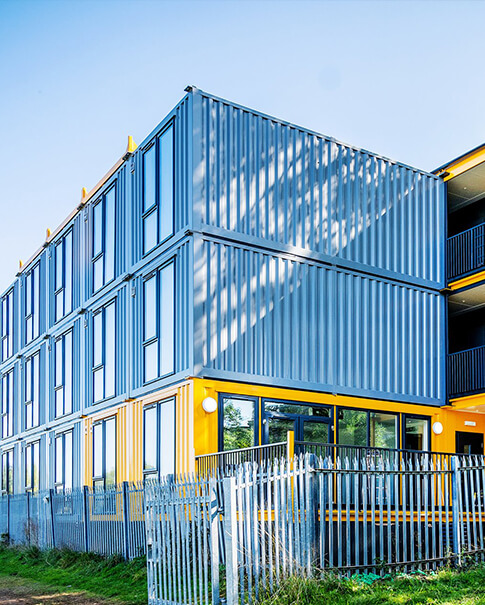
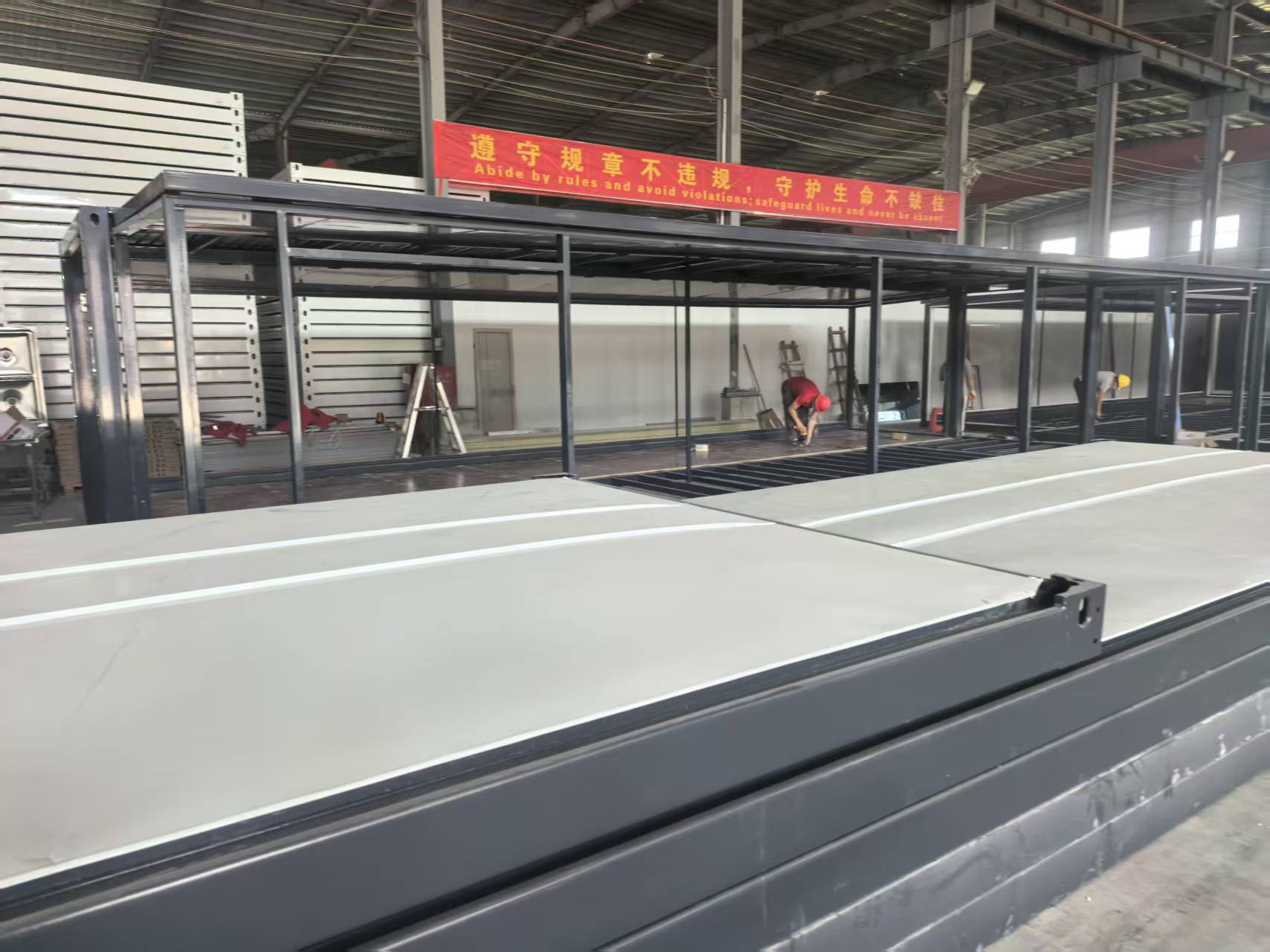
These specialized engineering options are particularly beneficial for challenging environments such as coastal construction sites, field construction camps, and temporary housing after natural disasters, ensuring structural safety and structural fatigue life.
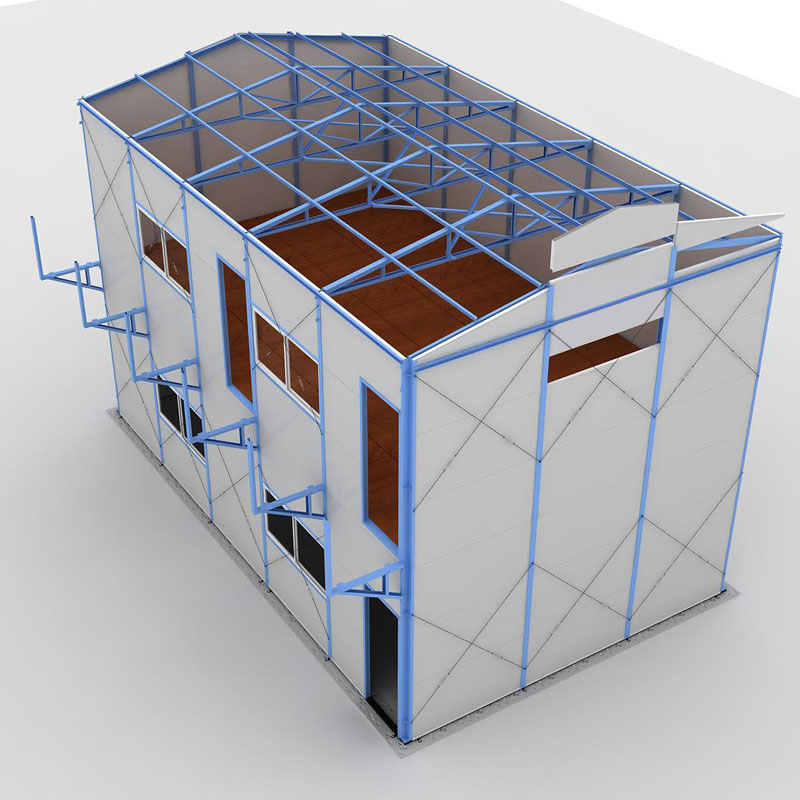
The K-House structural system operates under the standardized K & P modular sizing system (where 1K = 1820 mm represents the span between vertical columns, and 1P = 950 mm represents the standard height of a single wall panel). In coastal areas, wind load dynamics demand precise structural calculations. The wind resistance capacity (engineered up to Grade 8 wind load) relies heavily on the continuous connection of the C80 galvanized top purlins and the 80×160mm vertical C-channel columns. Because the system utilizes a full-bolt connection, it eliminates the risk of weld cracking, which is a common failure point under cyclic wind loading.
In addition to structural loading, coastal environments present severe salt-spray corrosion risks. Standard steel frames degrade rapidly under these conditions. To prevent this, the structural frame undergoes a complete pickling, phosphating, and electrostatic spraying process. This anti-corrosion treatment ensures an anti-rust service life of at least 10 years, even when exposed to high moisture and salinity.
The structural integrity of this system has been verified in high-exposure projects. For example, in the Indonesian Coal Mine Living Area Project, 2000 sets of worker dormitories were successfully deployed, maintaining structural stability and comfort under harsh weather conditions. This structural performance is further validated by CE Certification (No. 3N240819.GUTQO66) for the modular container house series, ensuring compliance with strict safety regulations in international markets.
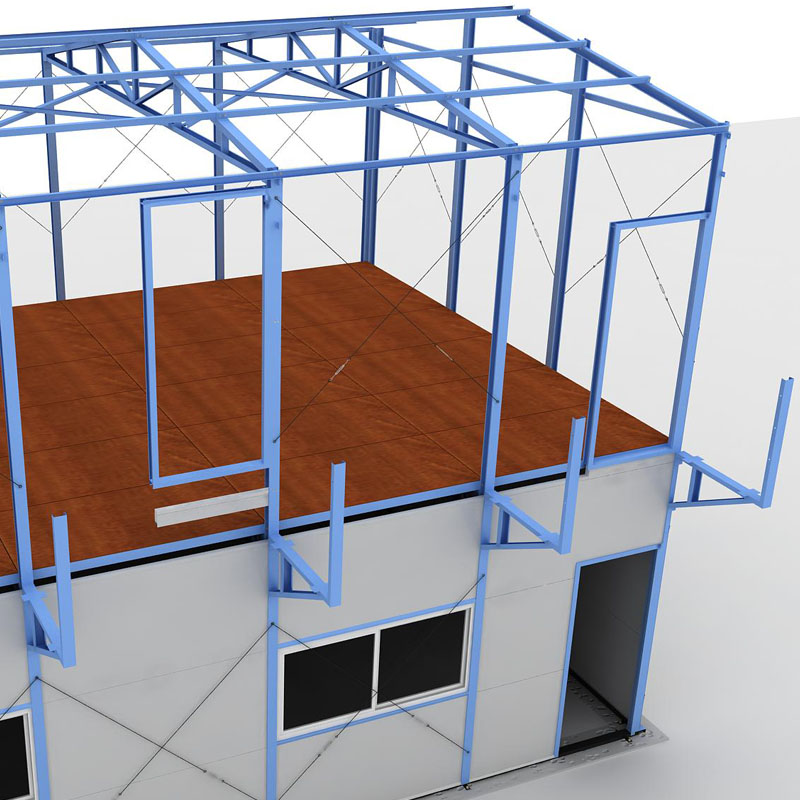
To assist in selecting the correct configuration for different wind exposure levels, the following table details the key differences between standard inland specifications and wind-resistant coastal specifications:
| Component Parameter | Standard Inland Specifications | Coastal-Grade Specifications |
|---|---|---|
| Wind Resistance Rating | Up to Grade 7 wind load | Up to Grade 8 wind load |
| Vertical Column Dimensions | 80×160mm C-channel (1.8mm thickness) | 80×160mm C-channel (2.0mm thickness) |
| Ground Base Beam | 100×50mm square tube (1.5mm thickness) | 100×50mm square tube (2.0mm thickness) |
| Sandwich Panel Thickness | 50mm EPS panel | 75mm / 100mm PU or Rock Wool panel |
| Steel Sheet Thickness | 0.3mm color coated sheet | 0.326mm – 0.4mm anti-fingerprint galvanized sheet |
Q1: Can a coastal K-House withstand earthquakes as well as high winds?
A1: Yes. The bolt-connected structure of the K-House provides excellent flexibility. When configured with 2.0mm thick galvanized steel ground base beams and C-channel columns, it achieves Grade 7 seismic resistance alongside its Grade 8 wind load rating.
Q2: What is the benefit of choosing rock wool or PU over EPS for coastal sites?
A2: While EPS is cost-effective, PU (polyurethane) and rock wool panels provide superior density and structural rigidity. These cores resist wind deformation, and rock wool provides an A1 non-combustible fireproof rating, adding an extra layer of safety.
Q3: How many times can a K-House be relocated without losing its wind resistance?
A3: Because the K-House uses high-strength cold-formed galvanized steel components and full bolt connections, it can be disassembled and reassembled 5 to 8 times without structural degradation or generating construction waste.
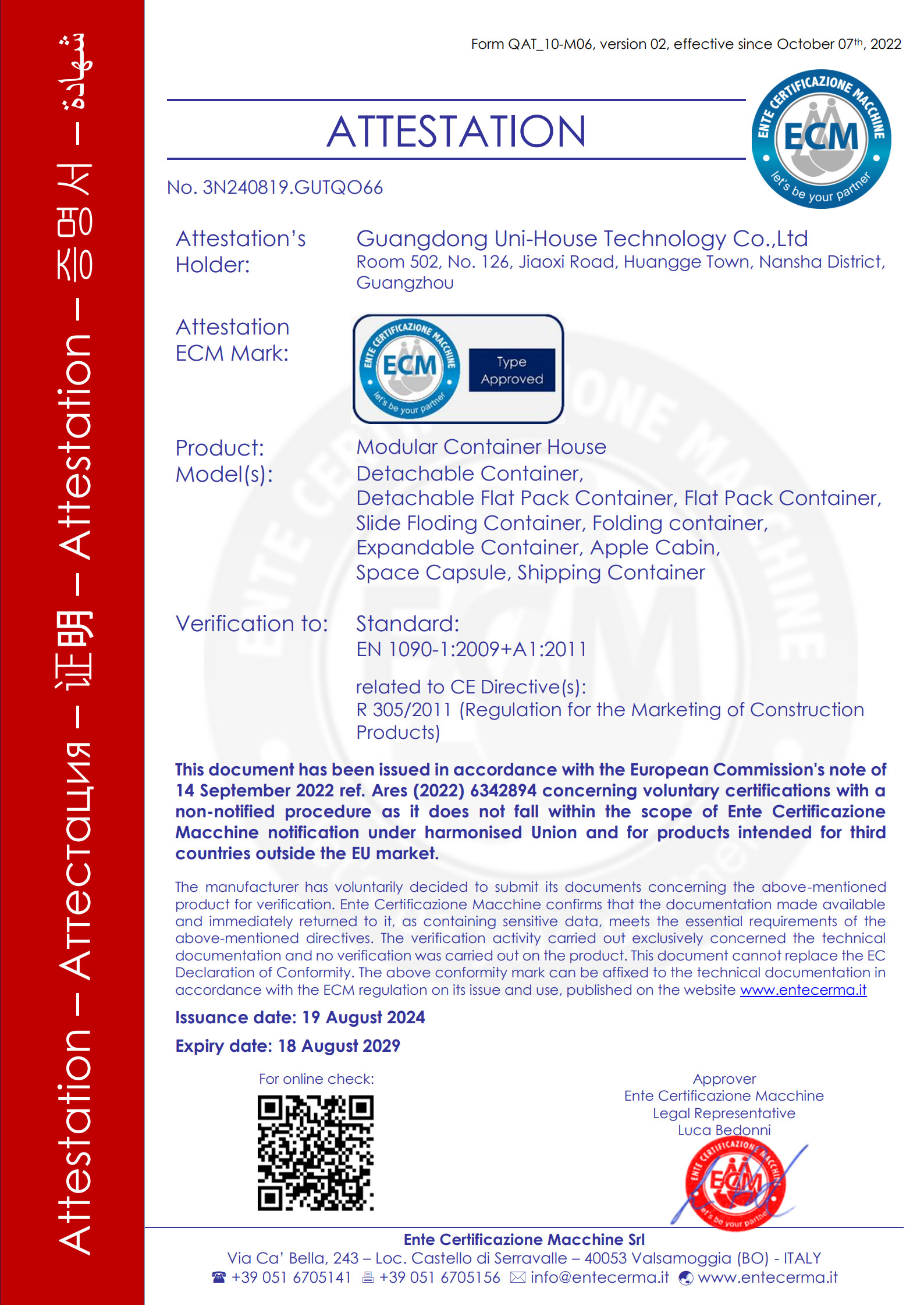
When deploying temporary housing on coastal construction sites, choosing a structural setup rated for Grade 8 wind load is essential. Ensure your provider utilizes 2.0mm thick vertical columns, heavy-duty 2.0mm base beams, and high-density sandwich panels with anti-fingerprint galvanized steel skins. Purchasing from an industry-trade integrated manufacturer like Guangdong Uni-House Technology Co., Ltd. guarantees direct factory quality control, customized raw materials, and robust engineering standards tailored for high-wind environments. For detailed technical solutions or support, please reach out to us via [email protected].
Guangdong Uni-House Technology Co., Ltd., established in 2008 under the Guizu Group, is a specialized industry-and-trade company with a 15,000 square meter factory and a dedicated workforce of 200 employees. The company features an advanced R&D team of 30 professional engineers and holds 150 utility model patents, focusing heavily on structural optimization, rapid installation, and weather-resistant prefabricated housing solutions. Holding official CE certification, the company operates high-precision CNC cutting, robotic welding, and automated spraying production lines to deliver high-quality modular houses globally. Having successfully delivered 2,000 sets for the Indonesian Coal Mine Living Area Project, the brand has built a solid international reputation for reliable structural performance in demanding climates.

Tags :
 Sign Up To Our Newsletters

Tel : +8613377650003
Email : [email protected]


© 2026 Guangdong Uni-House Technology Co., Ltd.

Hi! Click one of our members below to chat on