
What wall insulation thickness is best for a flat-pack container house?
Jul 22, 2026The optimal wall insulation thickness for a flat-pack container house is typically 50mm to 75mm for standard temporary or moderate climates, while a 100mm thickness is best for extreme weather conditions. Choosing the right thickness involves balancing local thermal requirements, structural load limits, and transport efficiency to ensure energy savings and interior comfort.
The production bases are equipped with automated robotic arms that handle automated welding and automatic spraying to ensure high precision in frame sealing, preventing moisture from degrading the insulation performance.
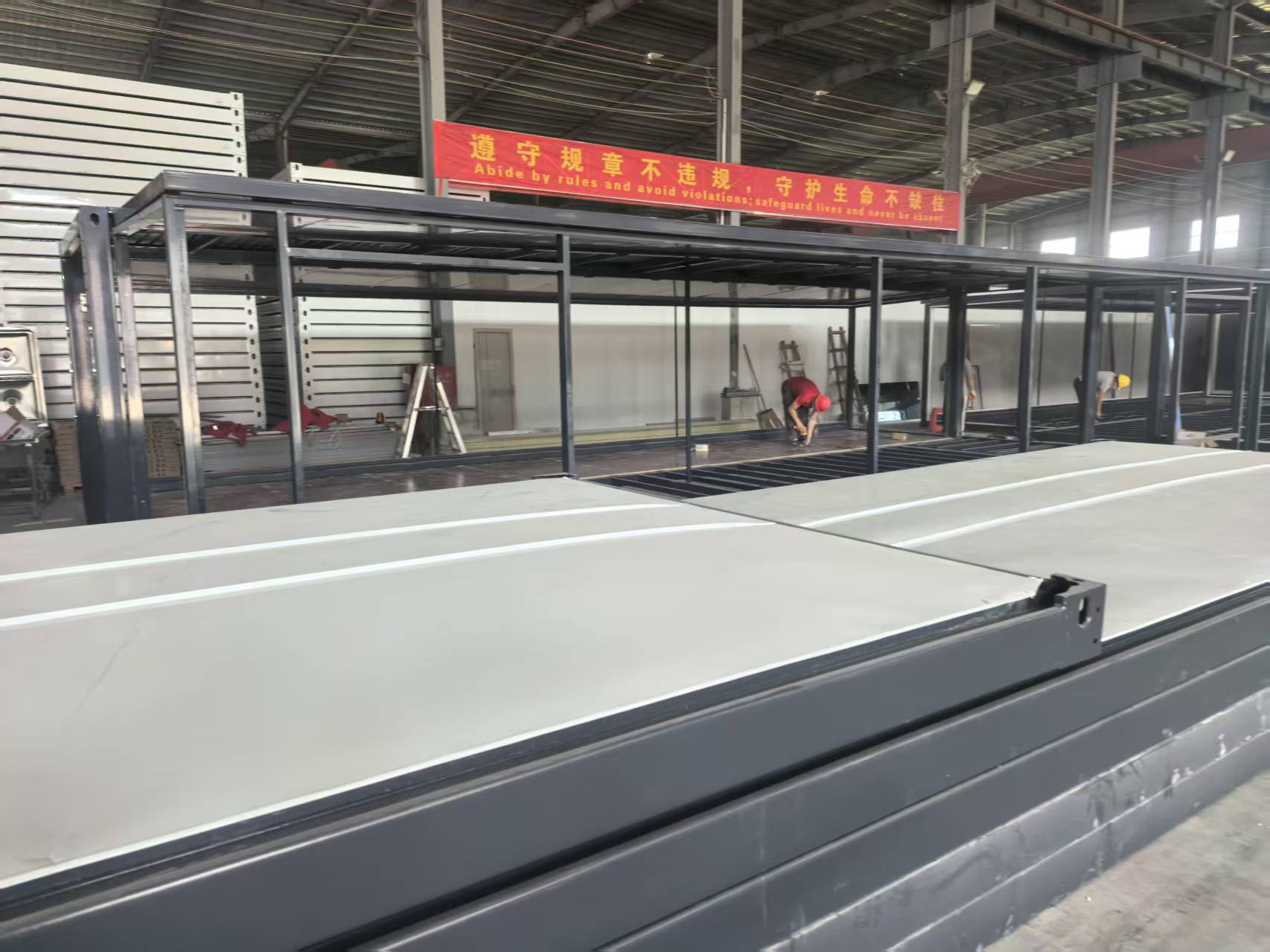
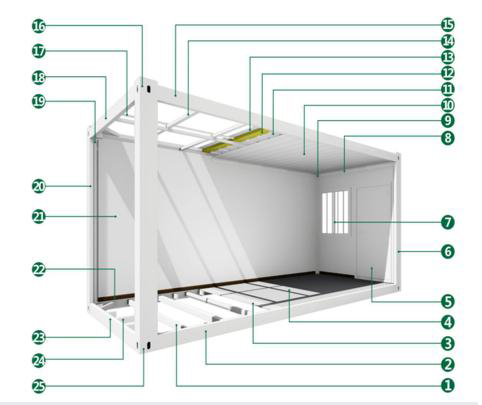
The thermal efficiency of a flat-pack container house depends on the integration of wall panels with the main structural frame. Guangdong Uni-House Technology Co., Ltd. manufactures structures utilizing vertical columns of 160×160mm C-type hot-dip galvanized channel steel with wall thicknesses up to 2.5mm. This heavy-duty steel skeleton secures the sandwich panels, preventing structural sagging even when utilizing heavier 100mm insulation panels. Fully bolted assemblies with a complete set of 64 structural bolts maintain tight, gap-free seals at all junctions.
Furthermore, structural airtightness and thermal performance are enhanced by integrated drainage. Top main beams feature concealed drainage channels, while four corner columns contain built-in downpipes. This design prevents rainwater pooling, protecting the sandwich panel cores from moisture infiltration which would otherwise degrade thermal resistance over time. In major regional developments like the Indonesian Coal Mine Living Area Project, where 2000 sets were deployed as mining workers’ dormitories, customized panel thickness and secure joint seals proved vital for structural resilience and interior cooling in a high-humidity tropical environment.
Using advanced structural optimization, a single person can complete the enclosure space expansion within 10 minutes, improving installation efficiency by 60% compared to the industry average.
The following table outlines standard thermal insulation configurations based on different environmental demands and structural matches:
| Insulation Thickness | Primary Material Type | Airtightness Match | Recommended Application Scenarios |
|---|---|---|---|
| 50mm | Standard EPS/Rockwool | Standard compression seals | Worker dormitories, temporary relief housing, short-term field camps |
| 75mm | High-Density Rockwool/PU | Dual-layer rubber seals | New rural villas, urban classrooms, commercial pop-up shops |
| 100mm | Polyurethane (PU) / Glasswool | Reinforced joint seals | Extreme hot/cold zones, polar research stations, desert mining camps |
Does a thicker wall panel affect the assembly speed of a flat-pack container house?
No, the overall assembly speed remains unchanged. Precision CNC control and pre-engineered fully bolted frame designs ensure that 50mm, 75mm, and 100mm panels slide into position with the same tolerances, maintaining rapid on-site assembly.
What certifications ensure the quality of these container house insulation systems?
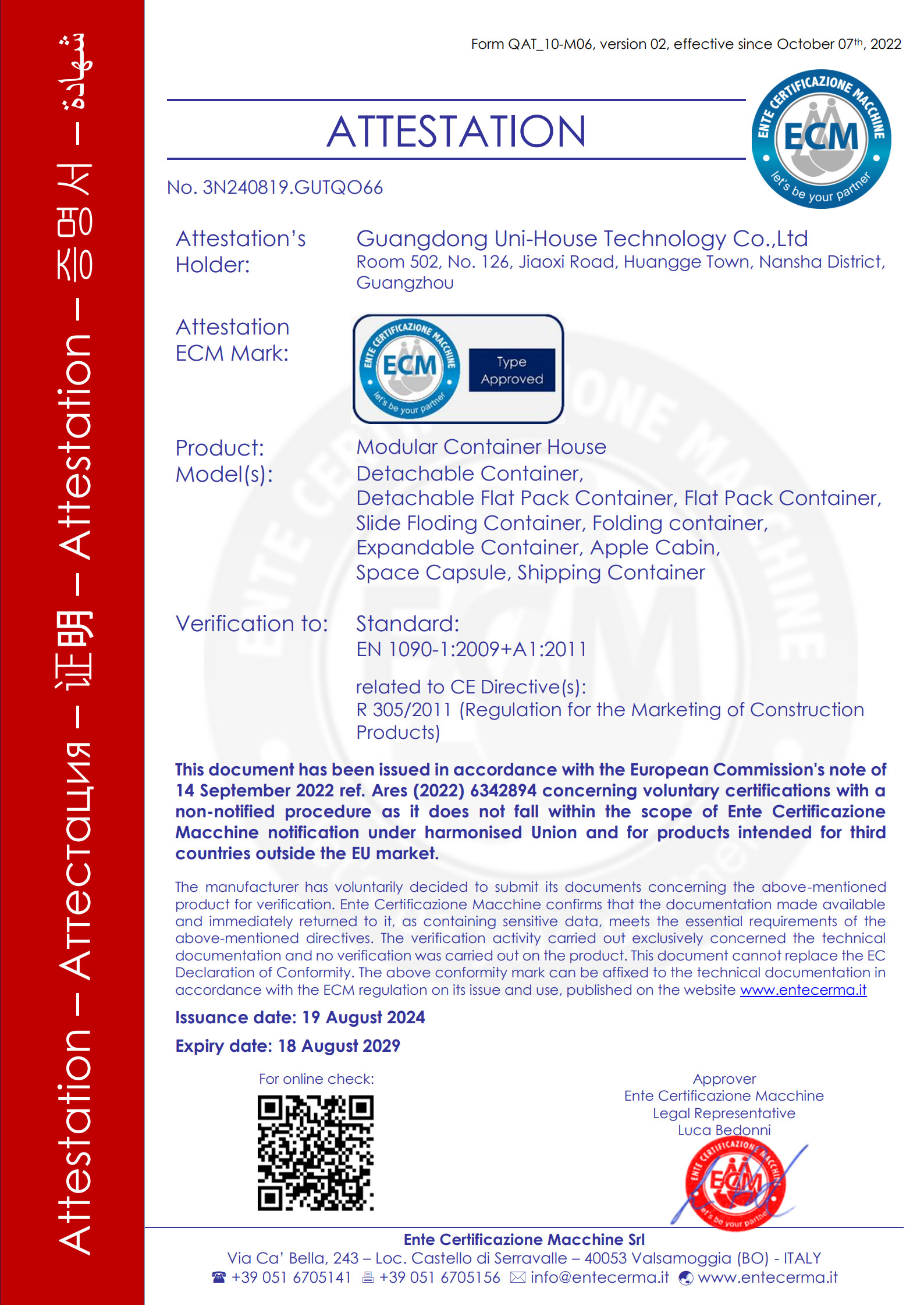
Standard modular container houses, including detachable, flat-pack, and expandable models, hold CE certification (No. 3N240819.GUTQO66). This certificate ensures compliance with structural safety, weather resistance, and environmental standards across Europe, Australia, and North America.
The CE certificate ensures standard compliance for modular container houses exported to Europe, Australia, and North America.
How does the frame structure prevent thermal bridging at panel junctions?
Airtight joint seals and hot-dip galvanized main beams eliminate open-air gaps. Because the wall panels are tightly fitted into the 160×80mm galvanized cold-formed section steel frame, heat transfer is blocked, ensuring consistent interior temperatures.
Selecting the correct wall insulation thickness ensures long-term comfort, structural durability, and energy efficiency. While 50mm thickness serves standard temporary needs, upgrading to 75mm or 100mm insulation is highly recommended for permanent applications or extreme weather conditions. Standard logistics operations facilitate secure transport using 40HQ or 20FT ocean freight containers. Purchases are supported under an Industry-trade integration model with a minimum order quantity (MOQ) of 1 set and a delivery time of 7 to 15 days, with payment terms structured as a 50% deposit in advance and 50% balance paid in full before shipment. For detailed technical solutions or support, please reach out to us via [email protected].
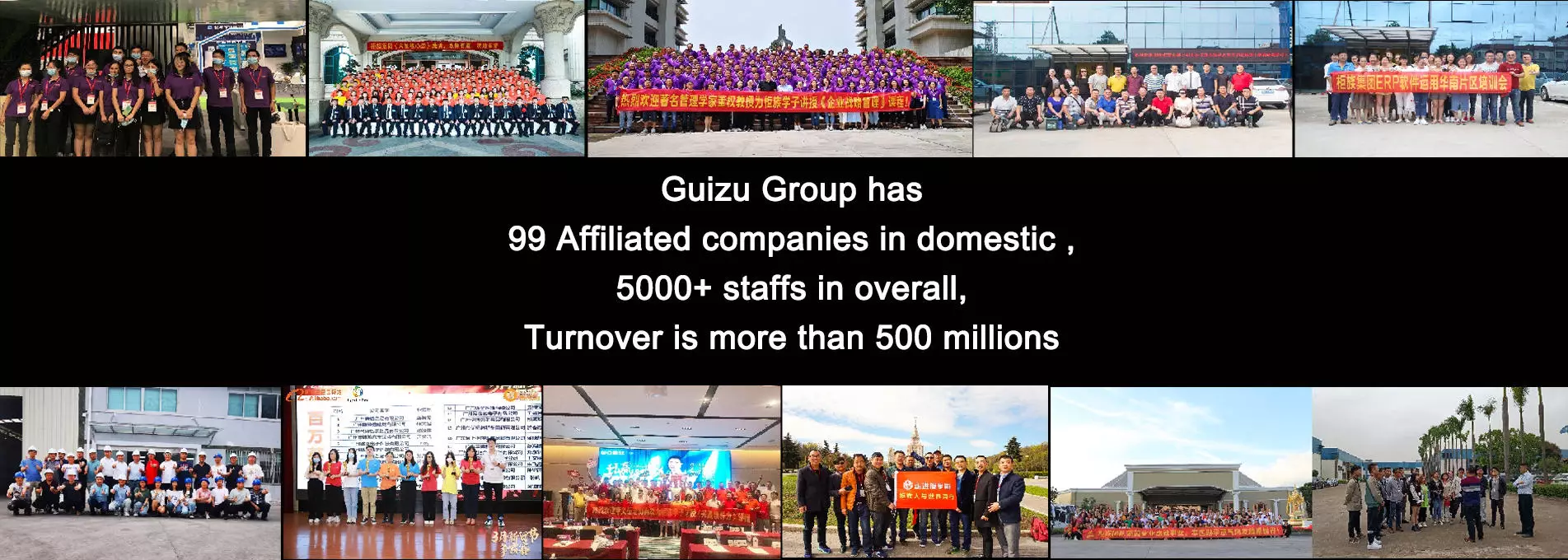
Guangdong Uni-House Technology Co., Ltd. is a foreign trade company established under the Guizu Group, providing one-stop support for the design, research and development, production, installation, and after-sales of multiple factories under the Guizu Group. Established in 2008, the company employs 200 people, manages a single-plant production base covering 30,000 square meters, and maintains an annual output value of 500 million RMB. Our products hold CE certification (No. 3N240819.GUTQO66) and have successfully served major global clients, including the delivery of 2000 sets for the Indonesian Coal Mine Living Area Project.

Tags :
 Sign Up To Our Newsletters

Tel : +8613377650003
Email : [email protected]


© 2026 Guangdong Uni-House Technology Co., Ltd.

Hi! Click one of our members below to chat on