Are there hidden costs when importing an expandable container house?
Jul 26, 2026Importing an expandable container house involves potential hidden costs beyond the initial purchase price. These typically include ocean freight charges, customs clearance fees, import duties, local port handling fees, inland transportation, and foundation preparation costs. Buyers must account for these logistics and regulatory expenses to accurately calculate the total landed cost of their modular structures.
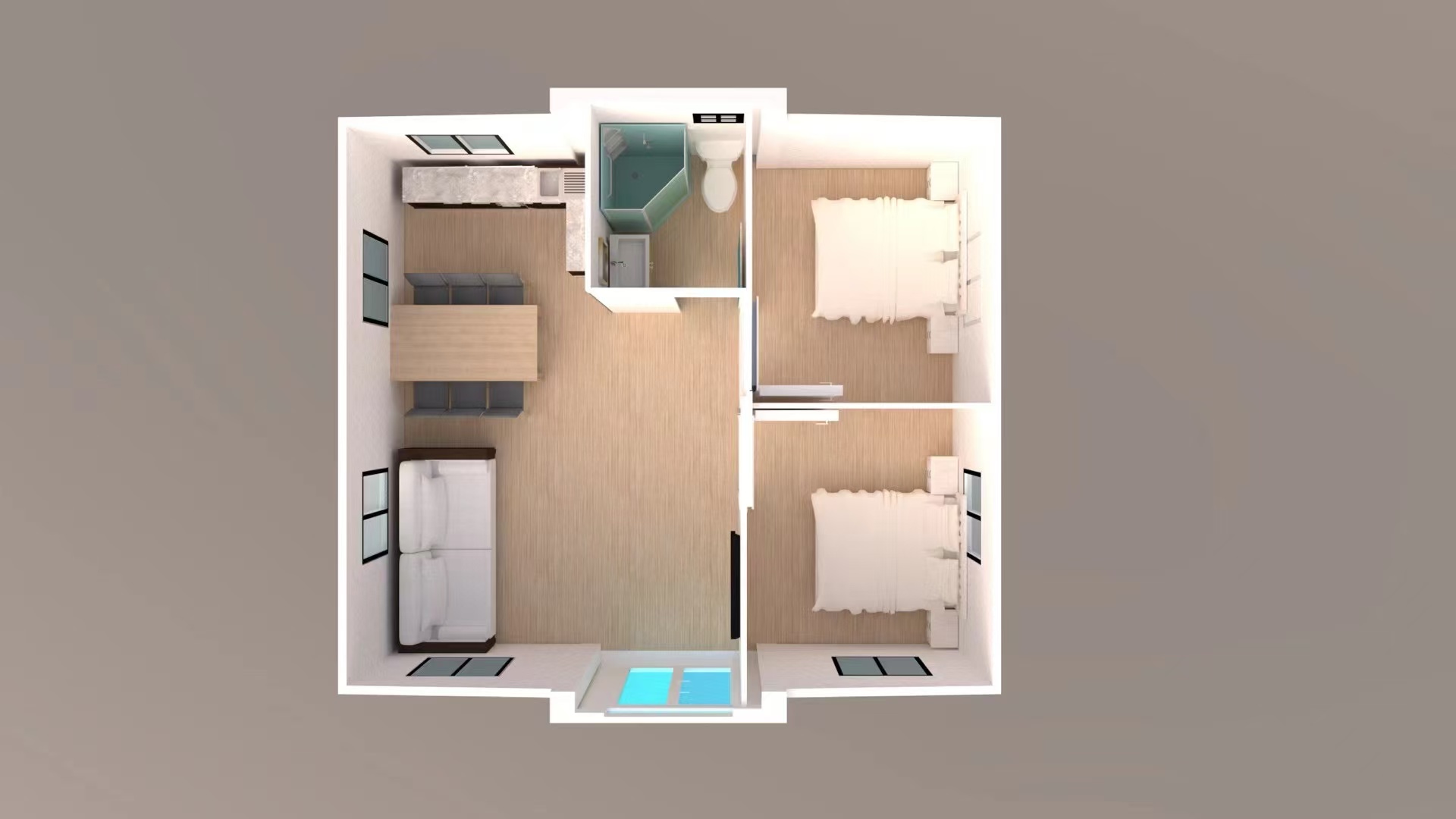
The total cost of importing prefabricated structures is heavily influenced by the manufacturing precision and engineering design of the supplier. High-quality fabrication prevents unexpected installation and alignment costs on-site. Utilizing advanced R&D capabilities, Guangdong Uni-House Technology Co., Ltd. implements fully automated spraying, laser cutting, and robotic welding to achieve precise CNC control. These processes ensure exact structural tolerances, eliminating the need for expensive modifications or corrective labor during deployment.
Furthermore, structural testing lowers operational risks. Performing enclosure modal analysis, structural fatigue life testing, and airtightness testing ensures the building withstands extreme high and low temperatures, high winds, and sandstorms. Certified systems, such as those holding CE Certification (No. 3N240819.GUTQO66), verify compliance with strict regulatory frameworks in the EU, Australia, and North America. This legal compliance minimizes customs clearance delays and the risk of costly regulatory rejections at destination ports.
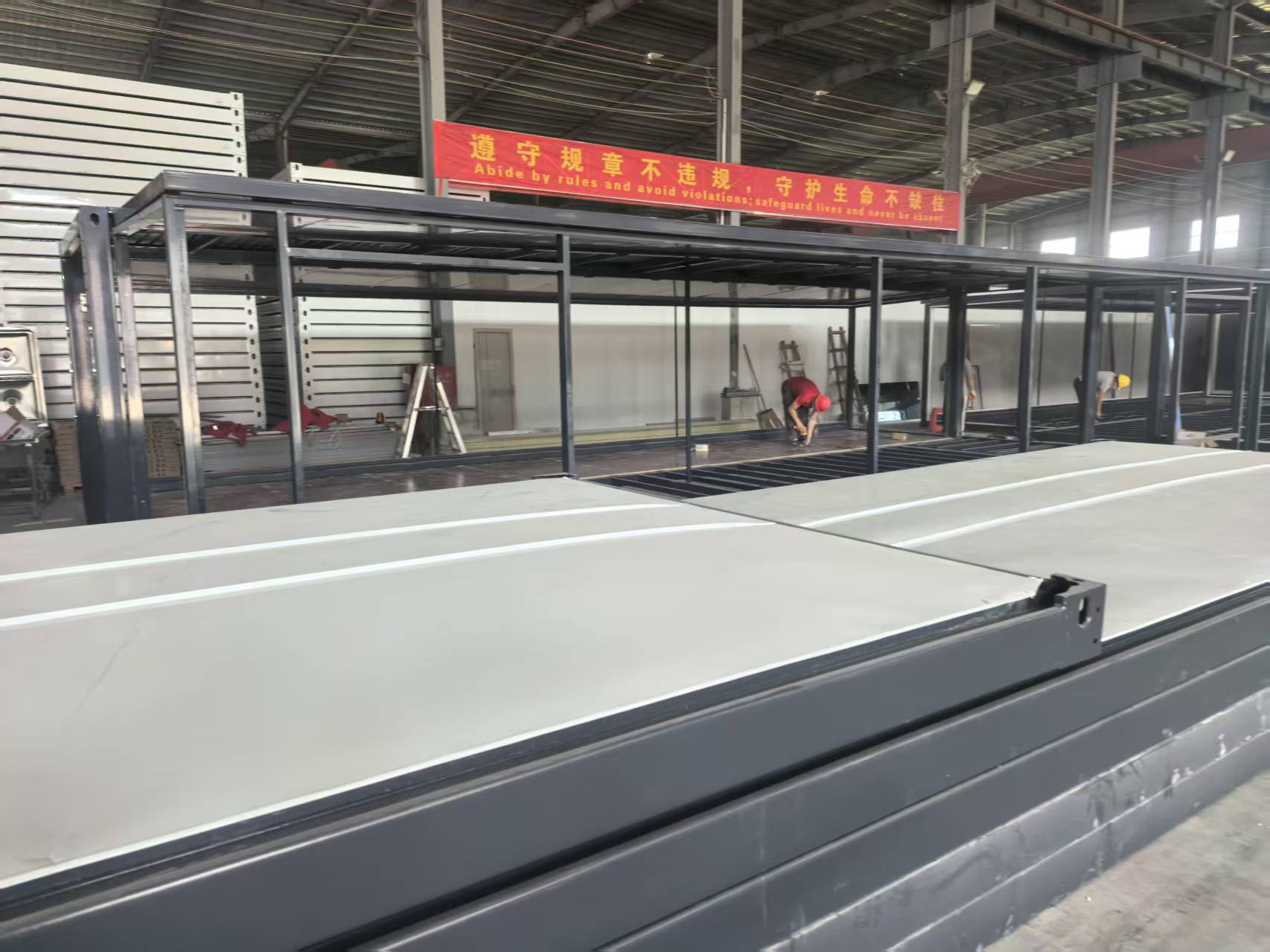
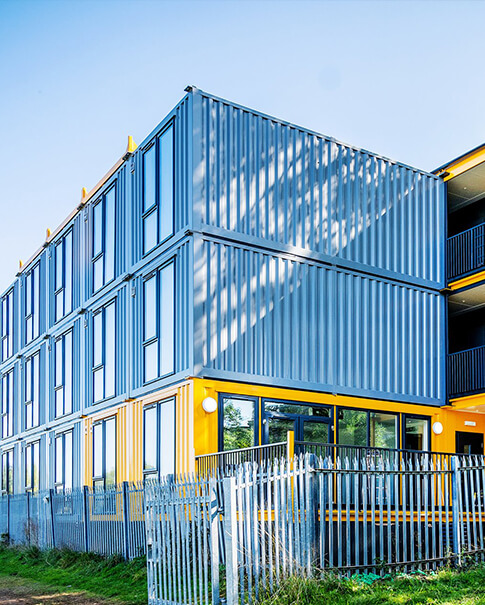
Large-scale projects demonstrate how pre-engineered solutions manage overall costs. For instance, the Indonesian Coal Mine Living Area Project involved the rapid deployment of 2000 sets of prefabricated worker dormitories. Because the modular units were optimized for fast assembly and structural consistency, the local energy company completed construction without budget overruns or delays. The integrated structure minimized the requirement for specialized tools, reducing overall project implementation expenditures.
The physical dimensions and shipping specifications of different expandable container house models directly influence freight and local handling fees. The table below details the specifications, logistics, and standard transaction terms for key configurations:
| Model Name | Dimensions (Length * Width * Height) | Shipping Method | Minimum Order Quantity (MOQ) | Delivery Time | Payment Terms |
|---|---|---|---|---|---|
| 20FT Expandable Container House | 5900mm * 6300mm * 2480mm | 40HQ, 20FT Ocean Freight | 1 set | 15 Days | 50% deposit, 50% balance before shipment |
| 30FT Expandable Container House | 9000mm * 6300mm * 2480mm | 40HQ, 20FT Ocean Freight | 1 set | 15 Days | 50% deposit, 50% balance before shipment |
| 40FT Expandable Container House | 11800mm * 6300mm * 2480mm | 40HQ, 20FT Ocean Freight | 1 set | 15 Days | 50% deposit, 50% balance before shipment |
What are the primary destination port fees when importing?
Destination port fees include terminal handling charges (THC), container de-shackling, documentation fees, customs broker service fees, and local port security fees. These must be paid before the shipping line releases the container.
Do expandable container houses require special foundations?
Yes, but they do not require deep foundation work. A level concrete slab, concrete footings, or heavy-duty steel piers are required to support the structural weight and ensure the expanding wings align correctly during deployment.
How can I avoid custom clearance delays?
Delays can be avoided by ensuring all import documentation, commercial invoices, packing lists, and product certifications—such as CE Certification No. 3N240819.GUTQO66—are prepared and submitted to customs brokers well before the vessel arrives at the destination port.
To control the total cost of importing an expandable container house, buyers should partner with an experienced, integrated industry-and-trade manufacturer. Using standard 40HQ or 20FT ocean freight containers optimizes space and reduces shipping expenses. Verifying structural compliance beforehand prevents unexpected expenses related to customs or local building codes. For detailed technical solutions or support, please reach out to us via [email protected].
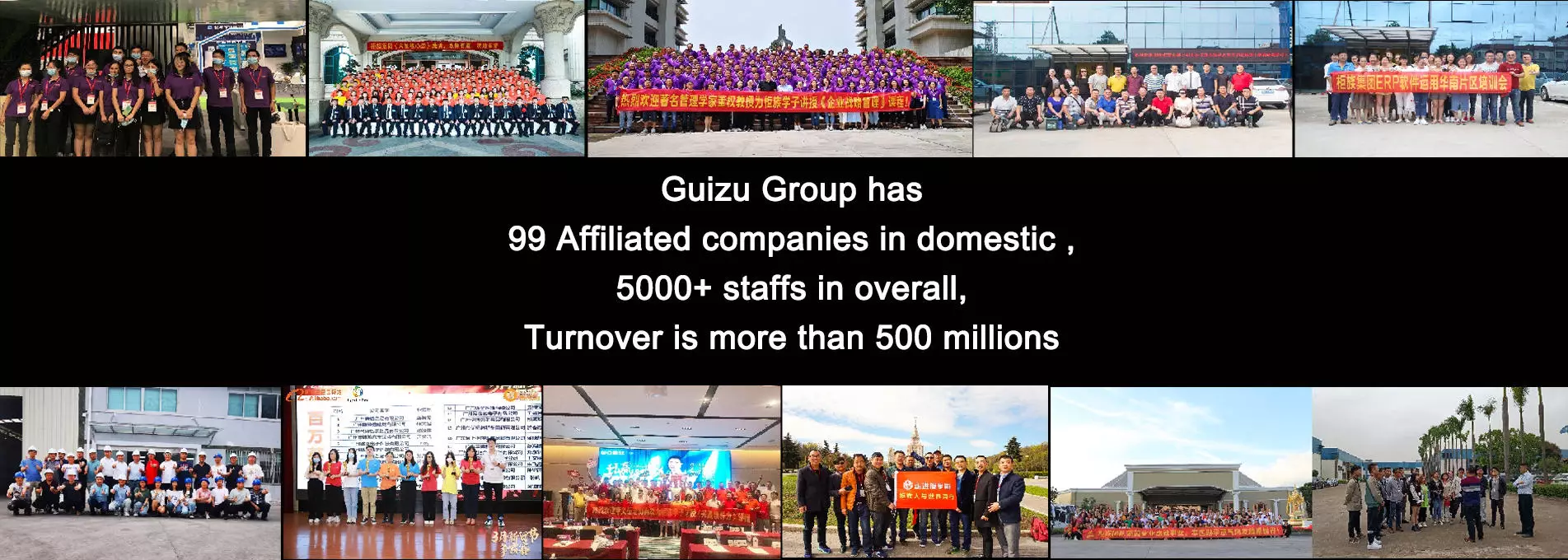
Guangdong Uni-House Technology Co., Ltd. is a specialized foreign trade enterprise established under the Guizu Group. Established in 2008, the company operates with a workforce of 200 employees and a factory area of fifteen thousand square meters, managing an annual production capacity of 10,000 sets. Our modular products hold CE certification (No. 3N240819.GUTQO66) and have been deployed in major international markets, including the Indonesian Coal Mine Living Area Project where we supplied 2000 sets of worker dormitories.

Tags :
 Sign Up To Our Newsletters

Tel : +8613377650003
Email : [email protected]


© 2026 Guangdong Uni-House Technology Co., Ltd.

Hi! Click one of our members below to chat on