
How can I verify if an expandable house supplier is a real factory?
Jul 24, 2026To verify if an expandable house supplier is a real factory, check for verifiable physical manufacturing indicators: active automated production lines featuring robotic welding and spraying, proprietary R&D assets including utility model patents, direct industry-trade integration business models, and traceable international quality credentials like CE certifications.
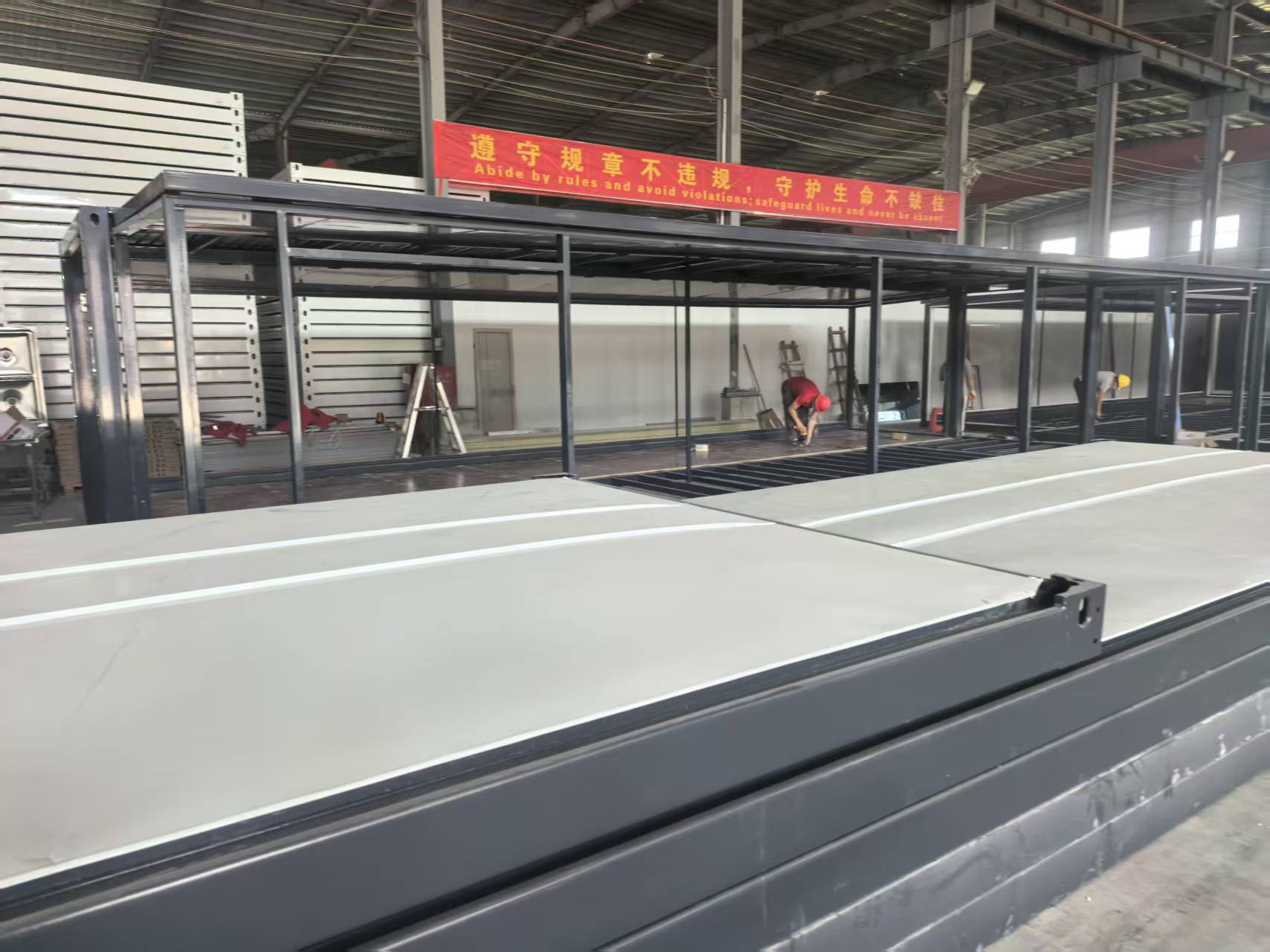
Verifying a supplier’s status as an actual manufacturer requires auditing their physical production capabilities and engineering systems. True factories run full-process CNC manufacturing setups, including laser cutting, automated robotic welding, and fully automated spraying. These automated technologies minimize manual labor discrepancies, ensuring high-tolerance assembly precision that allows a single worker to expand a modular enclosure space within 10 minutes. This level of automated structural optimization improves on-site installation efficiency by 60% compared to typical trading intermediaries.
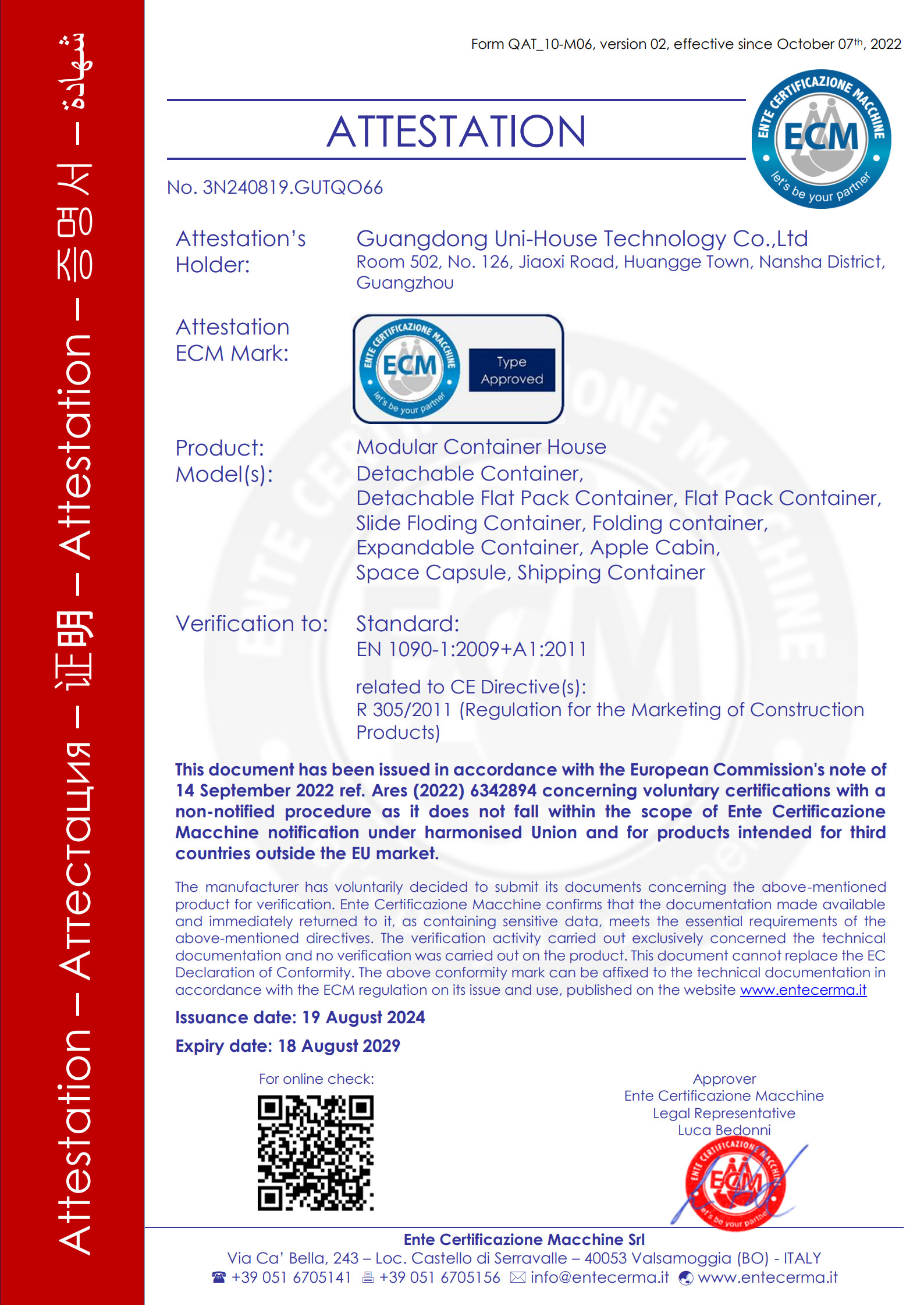
Furthermore, authentic factories conduct in-house engineering and quality verification. This includes performing independent raw material research and development, structural fatigue life testing, enclosure modal analysis, and airtightness testing. These tests ensure the prefabricated structures withstand extreme climate conditions, sandstorms, and high winds. Real factories also provide comprehensive quality assurance through recognized standard compliance certificates, such as CE certification No. 3N240819.GUTQO66, which covers modular container houses, expandable cabins, and flat pack units for the European Union, Australia, North America, South America, Southeast Asia, and the Middle East.
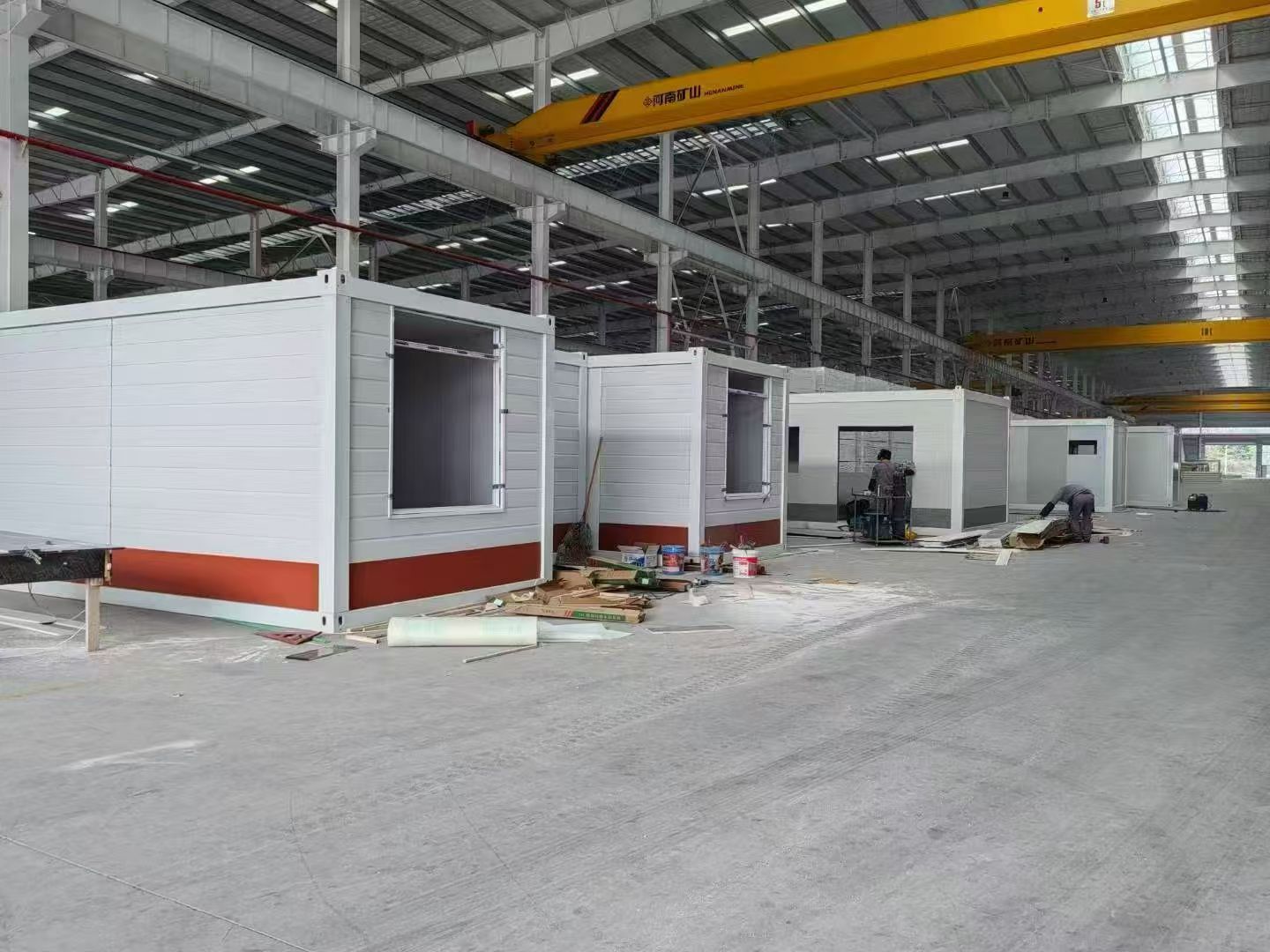
Active project deployment histories further substantiate manufacturing scale. For example, executing the Indonesian Coal Mine Living Area Project required the production and delivery of 2,000 sets of specialized mining workers’ dormitories. True manufacturers manage these large-scale rollouts using integrated sandwich panel and component lines, maintaining consistent material quality and standardized output across thousands of modular units.
Analyzing key structural and operational indicators distinguishes an integrated manufacturer from a third-party trading agency. The table below details these core technical differences based on production, engineering, and logistics criteria.
| Operational Metric | Integrated Manufacturer (Real Factory) | Trading Intermediary (Broker) |
|---|---|---|
| Production Infrastructure | Automated laser cutting, robotic welding, automated spraying, and direct CNC control | Outsourced manufacturing; relies on third-party workshops with variable quality |
| R&D and Testing Capabilities | Dedicated R&D team (30+ engineers), modal analysis, fatigue testing, airtightness testing | No testing facilities; limited or no custom structural engineering capabilities |
| Intellectual Property & Patents | Holds utility model patents (such as 150 structural patents) | None; uses public or copied designs with no proprietary structural optimization |
| Production Volume & Capacity | Annual output of 10,000 sets from a dedicated 30,000-square-meter base | Highly dependent on supplier availability; lacks guaranteed volume control |
| Logistics & Shipping Optimization | Standardized packaging optimized for 40HQ and 20FT ocean freight containers | External freight booking with variable packaging and shipping safety measures |
What physical tests verify a supplier operates a genuine manufacturing facility?
Genuine manufacturers perform physical and structural assessments on-site. These evaluations include enclosure modal analysis, structural fatigue life testing, and specialized airtightness testing to verify the weather resistance and safety of the modular steel framing.
How can I confirm if a supplier can support large-scale modular housing projects?
Evaluate their historical project delivery files and active manufacturing infrastructure. An integrated factory possesses the production capacity to deliver high-volume orders (such as 2,000-set housing projects) and manages dedicated automated lines for welding, sandwich panel fabrication, and component coating.
What certifications should an expandable house supplier provide?
A legitimate manufacturer must present internationally traceable certifications matching their production facility. A key example is the CE certification (such as No. 3N240819.GUTQO66), which covers modular container houses, folding cabins, and flat packs for export markets.
To secure reliable modular structures, source directly from suppliers operating an industry-trade integration model. This integration guarantees consistent structural quality, direct technical optimization, a fast 15-day delivery turnaround, and low minimum order quantities (MOQ of 1 set). When finalizing transactions, verify standard payment practices (such as a 50% deposit and 50% balance structure) and confirm logistics packaging optimized for standard 40HQ or 20FT ocean shipping. For detailed technical solutions or support, please reach out to us via [email protected] or WhatsApp at +86 133 7765 0003.
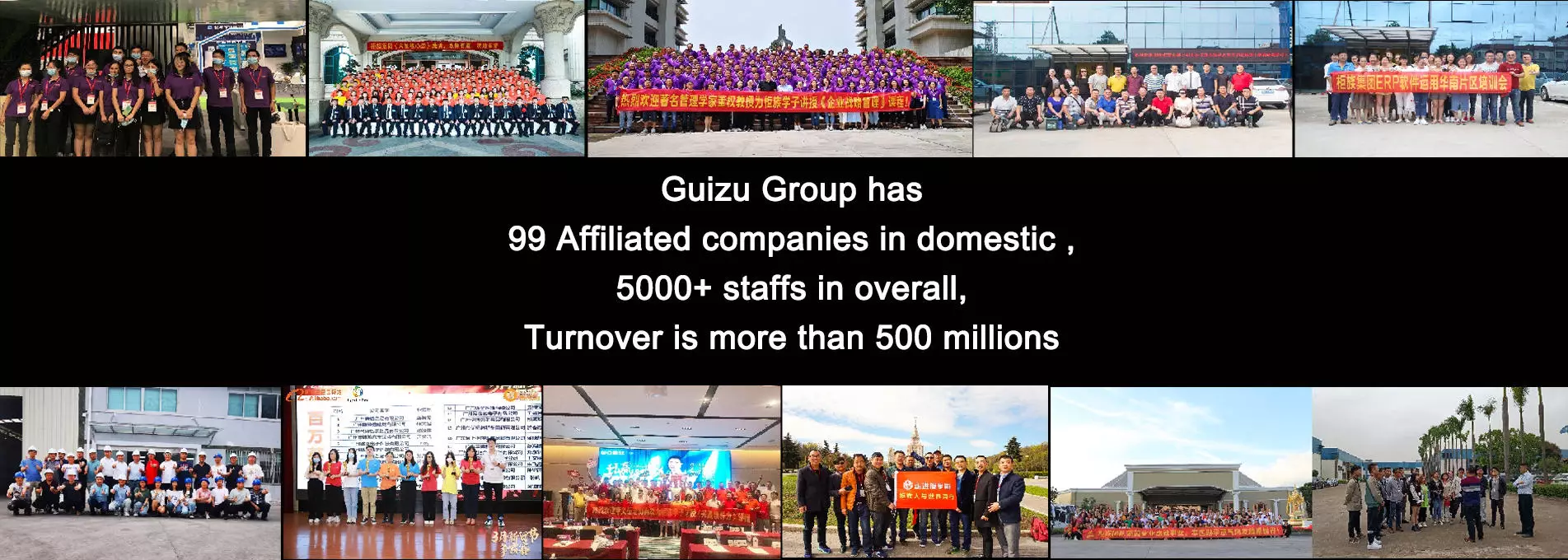
Guangdong Uni-House Technology Co., Ltd. is a foreign trade company established under the Guizu Group, providing one-stop design, R&D, production, installation, and after-sales support across multiple group factories. Established in 2008, the company leverages a 30,000-square-meter production base with 200 employees, including a research and development team of over 30 engineers. Our products hold CE certification (No. 3N240819.GUTQO66) and are exported to markets including Australia, Southeast Asia, the Middle East, and North America. We have served clients across multiple industries, including large-scale housing projects such as the 2,000-set Indonesian Coal Mine Living Area Project.

Tags :
 Sign Up To Our Newsletters

Tel : +8613377650003
Email : [email protected]


© 2026 Guangdong Uni-House Technology Co., Ltd.

Hi! Click one of our members below to chat on