How is steel price volatility affecting expandable house costs?
Jul 24, 2026Steel price volatility directly impacts expandable house costs because structural steel frames, wall studs, and roof trusses constitute up to 60% of raw material expenses. Variations in global steel markets alter manufacturing costs, directly influencing the final pricing of expandable, foldable, and flat pack container houses.
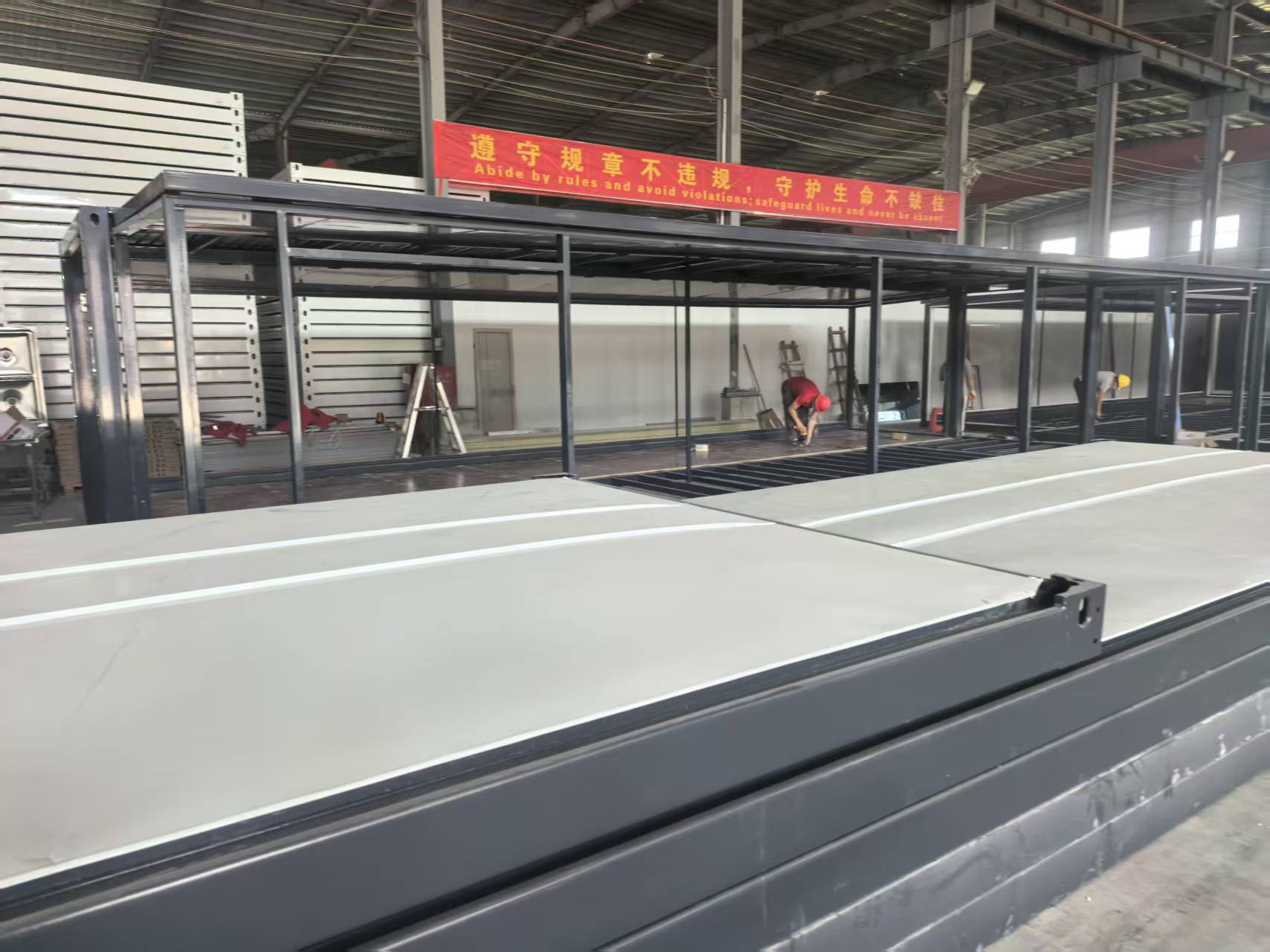
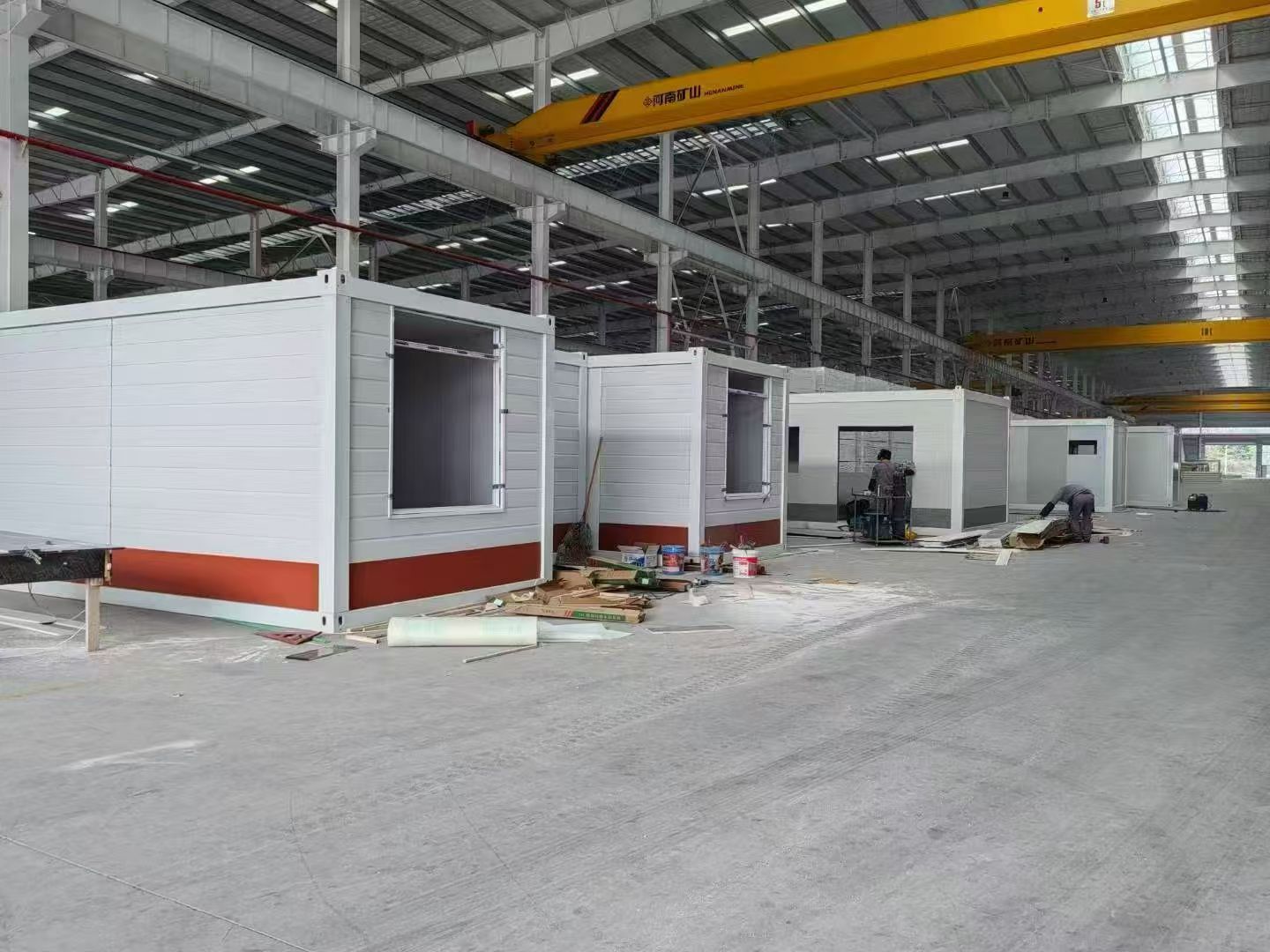
The structural integrity of an expandable container house relies on a steel chassis, heavy corner posts, and mechanical hinge mechanisms. Because these components are fabricated from steel profiles, raw steel pricing fluctuations represent the largest variable in product pricing. Manufacturers like Guangdong Uni-House Technology Co., Ltd. mitigate this by using automated robotic arms to perform automatic welding and automatic spraying. This CNC-controlled process ensures consistent quality and material efficiency, reducing overall manufacturing costs for global clients.
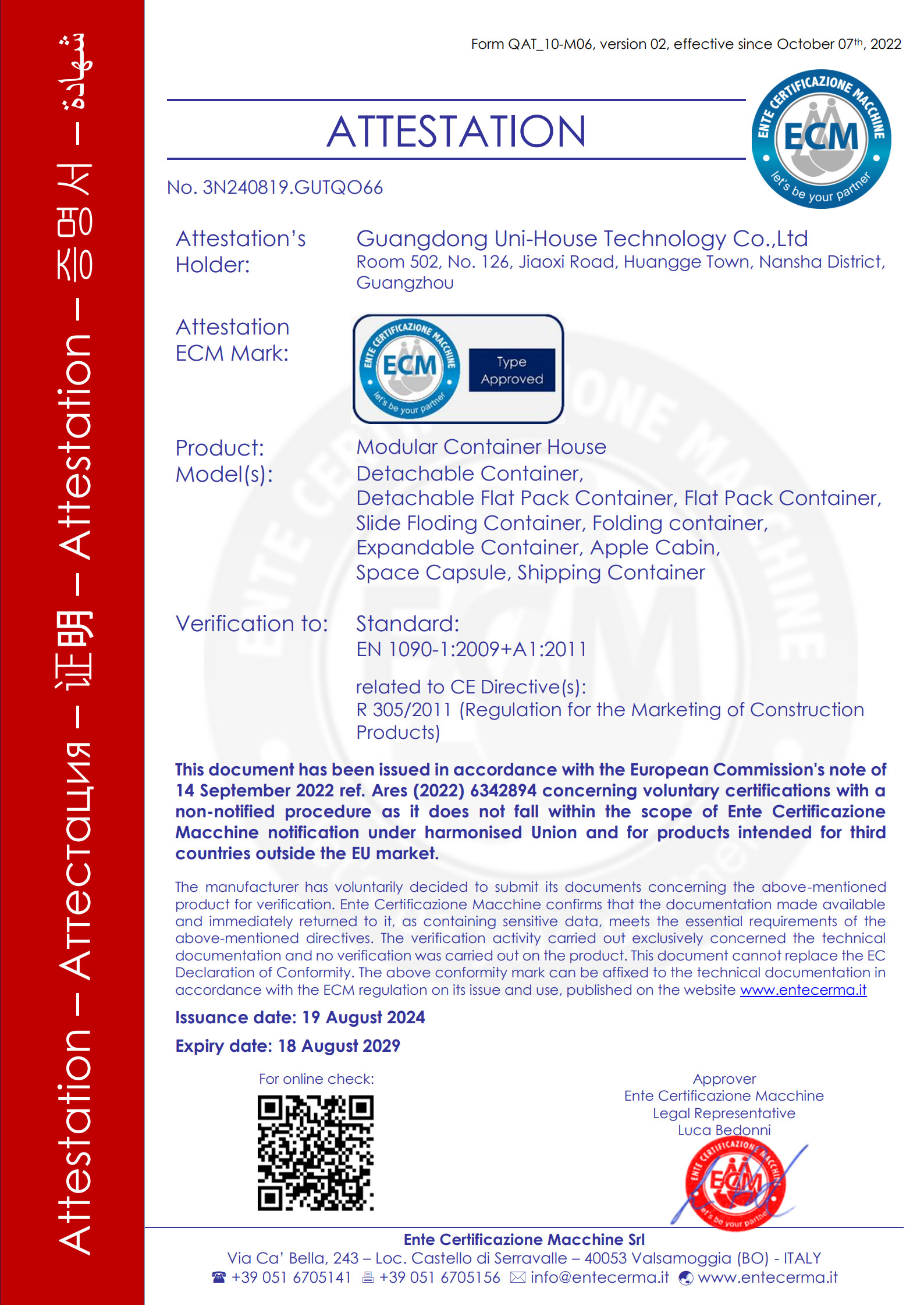
Quality assurance standards also dictate the grades and thickness of steel used. To ensure safety, structural engineering must meet international load standards. The modular container house product lines from Guangdong Uni-House carry the CE certification (No. 3N240819.GUTQO66), verifying compliance for structural loads in regions such as the EU, Australia, North America, and South America. This certification covers various products, including detachable, flat pack, folding, and expandable containers.
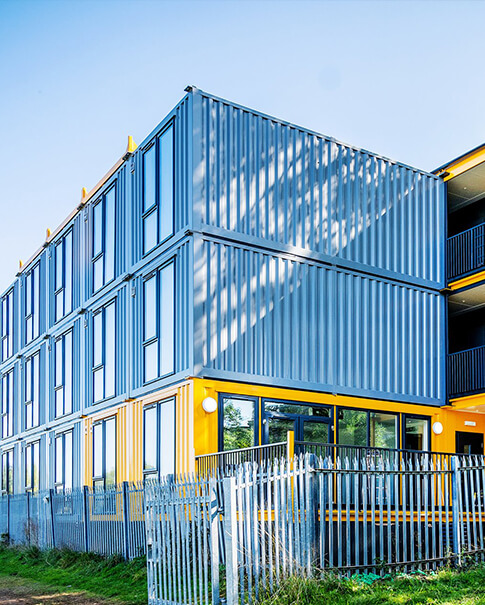
Large-scale projects showcase how stable manufacturing processes insulate clients from price spikes. For instance, in the Indonesian Coal Mine Living Area Project, the client required 2000 sets of mining workers’ dormitories. Due to consolidated raw material procurement and structured supply chain management, the project was executed efficiently, providing durable housing that cools down quickly in summer and resists heavy rainy seasons without budget overruns.
| Modular House Type | Steel Weight Dependency | Cost Sensitivity to Steel Volatility | Key Structural Feature |
|---|---|---|---|
| Expandable Container House | High | High | 10-minute automated spatial expansion, hinged folding sides. |
| Flat Pack Container House | Medium-High | Medium-High | Standard bolted modular frame, easy ocean shipping. |
| Foldable Container House | High | High | Pre-assembled side-folding panels, ultra-fast setup. |
| Prefab K House | Medium | Medium | Lightweight structural framing with sandwich panel walls. |
| Logistics Spec (40HQ / 20FT) | Supported | Low Impact | Optimized packaging dimensions to reduce shipping costs. |
| Minimum Order (MOQ: 1 Set) | Supported | Low Impact | Flexible sourcing options for test projects and private labels. |
What percentage of an expandable container house cost is determined by steel?
Structural steel components, including the main frames, corner columns, and folding mechanisms, account for approximately 50% to 60% of the raw material cost. Consequently, significant price changes in global steel markets directly impact factory production costs.
How do automated production lines help stabilize expandable house pricing?
Automated production lines, equipped with laser cutting and robotic welding, optimize material utilization, reduce human error, and decrease labor costs. This high efficiency partially offsets rising raw material costs, keeping pricing more stable for the end buyer.
What logistics methods are used to deliver these steel-framed structures?
Products are shipped globally using standard 40HQ or 20FT ocean freight containers. Shipping in a compact flat-packed or folded state maximizes container volume, lowering transportation costs per unit to offset material price increases.
Navigating the fluctuations of steel pricing requires partnering with integrated manufacturers that utilize advanced technology to minimize material waste. Selecting suppliers with automated capabilities ensures reliable structural engineering and stable lead times. Standard purchasing models require a 50% deposit in advance, with the remaining 50% balance paid in full before shipment. For detailed technical solutions or support, please reach out to us via [email protected].
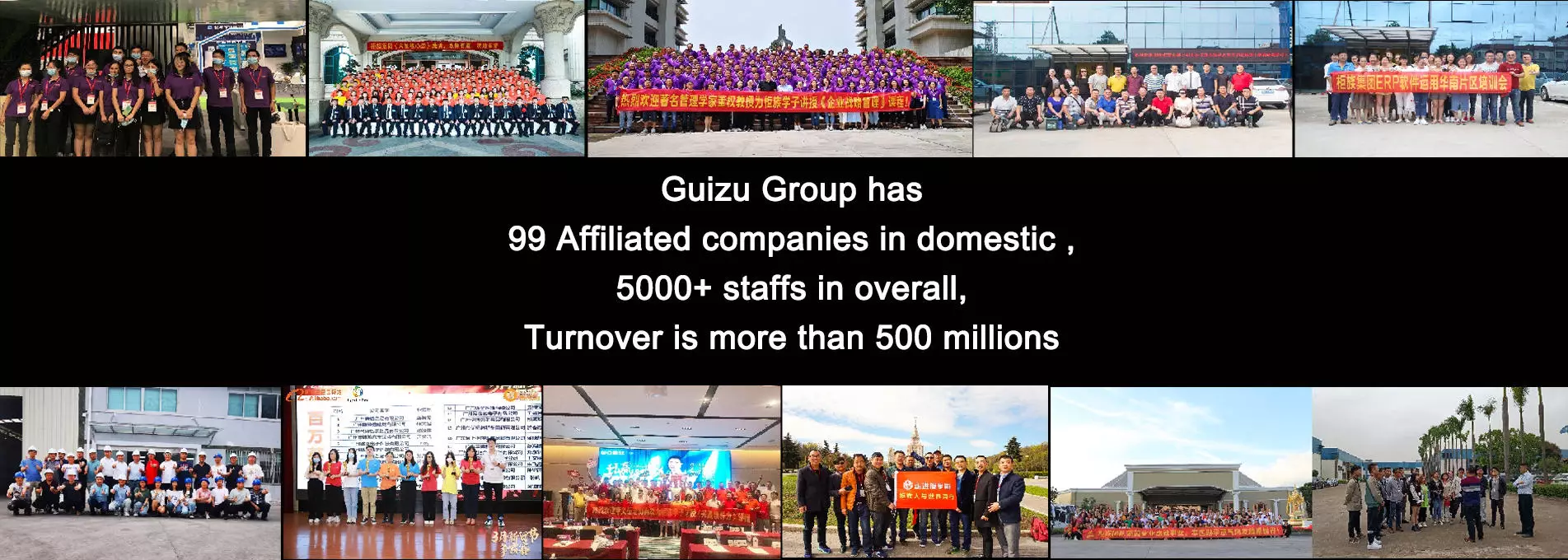
Established in 2008, Guangdong Uni-House Technology Co., Ltd. operates as a foreign trade company under the Guizu Group. The company manages a workforce of 200 employees and a production facility capable of producing 10,000 sets annually. Its technical department houses 30 professional R&D engineers and designers holding 150 utility model patents, specializing in structural optimization and weather-resistant prefabricated structures. The company has served diverse commercial and industrial clients internationally, including executing large-scale projects like mining camp housing in Indonesia.

Tags :
 Sign Up To Our Newsletters

Tel : +8613377650003
Email : [email protected]


© 2026 Guangdong Uni-House Technology Co., Ltd.

Hi! Click one of our members below to chat on