

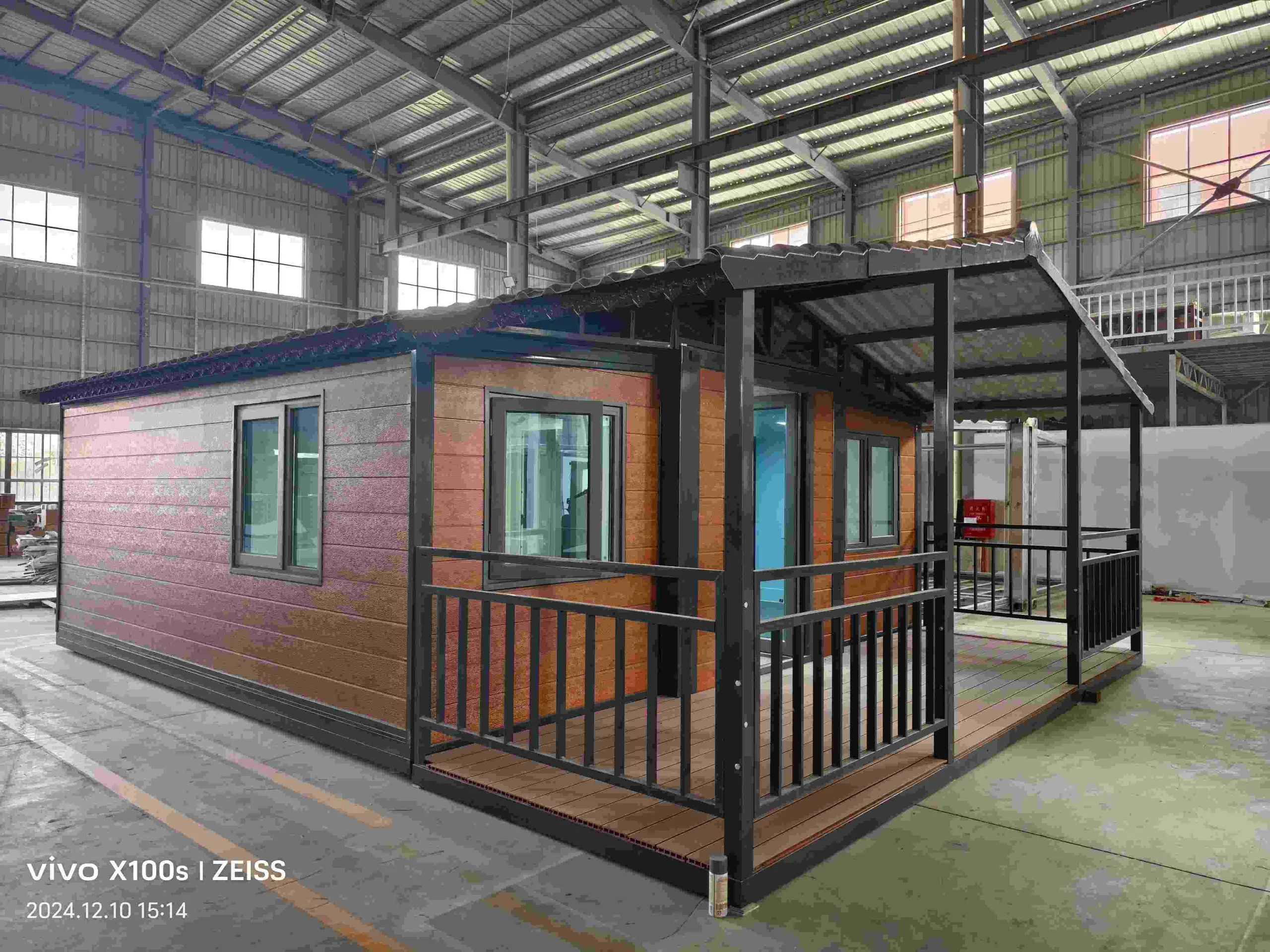
While the exact per-unit cost for a 40ft expandable container house is determined by custom specifications and configurations, purchasing a minimum of 5 units comfortably exceeds the 1-set minimum order quantity (MOQ). This volume secures direct factory-tier pricing, optimized automated manufacturing, and highly efficient shipping layouts using 40HQ ocean freight containers to minimize logistical expenses. […]
Tags :
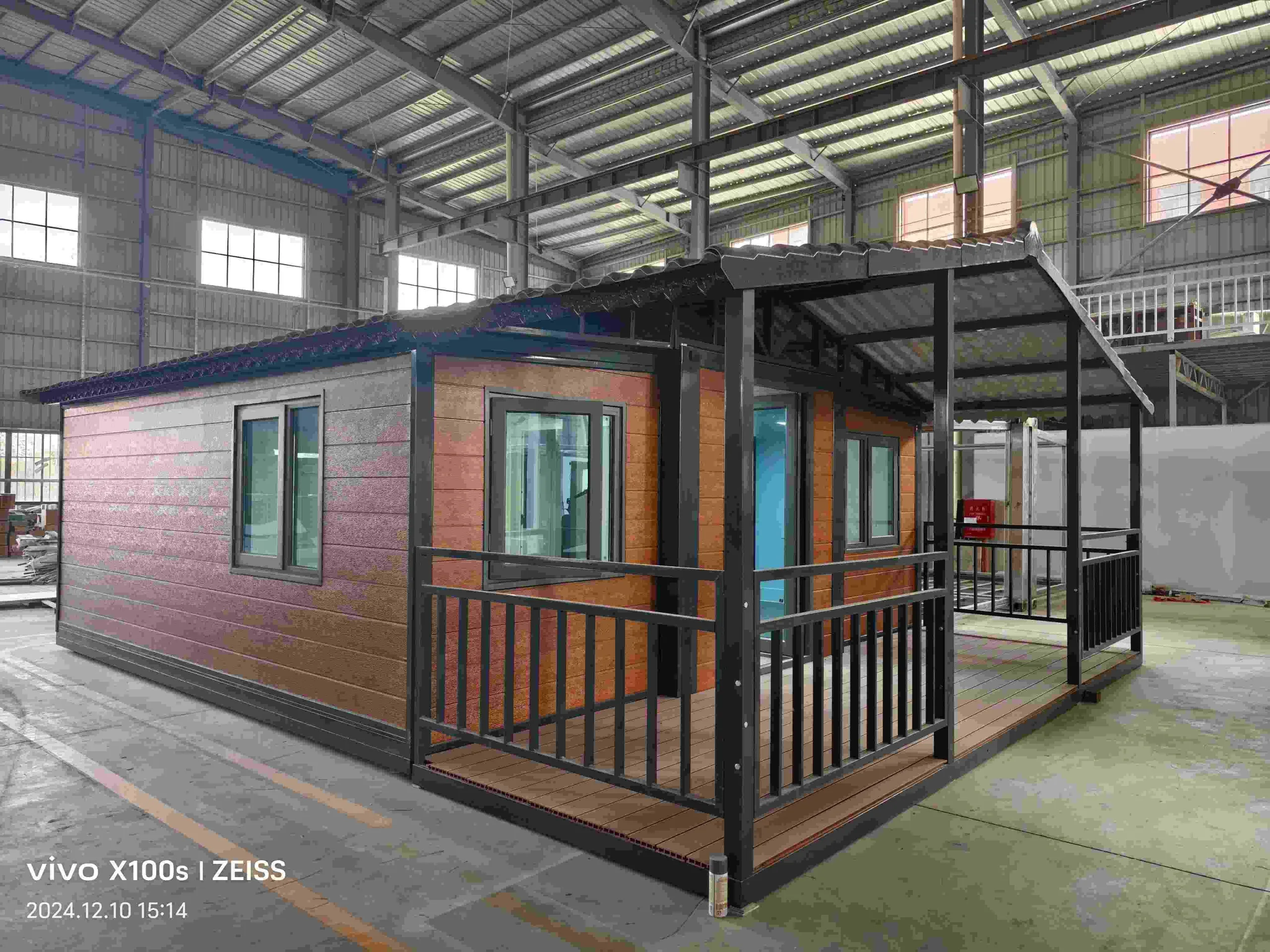
A single 40ft HQ shipping container typically accommodates 2 units of a 20ft expandable container house. By utilizing a folded structural design, these units compress to optimize ocean freight volume, allowing safe loading and transport inside standard 40ft high cube containers to minimize global shipping costs. Core Solutions & Key Takeaways Freight Space Optimization: Shipping […]
Tags :
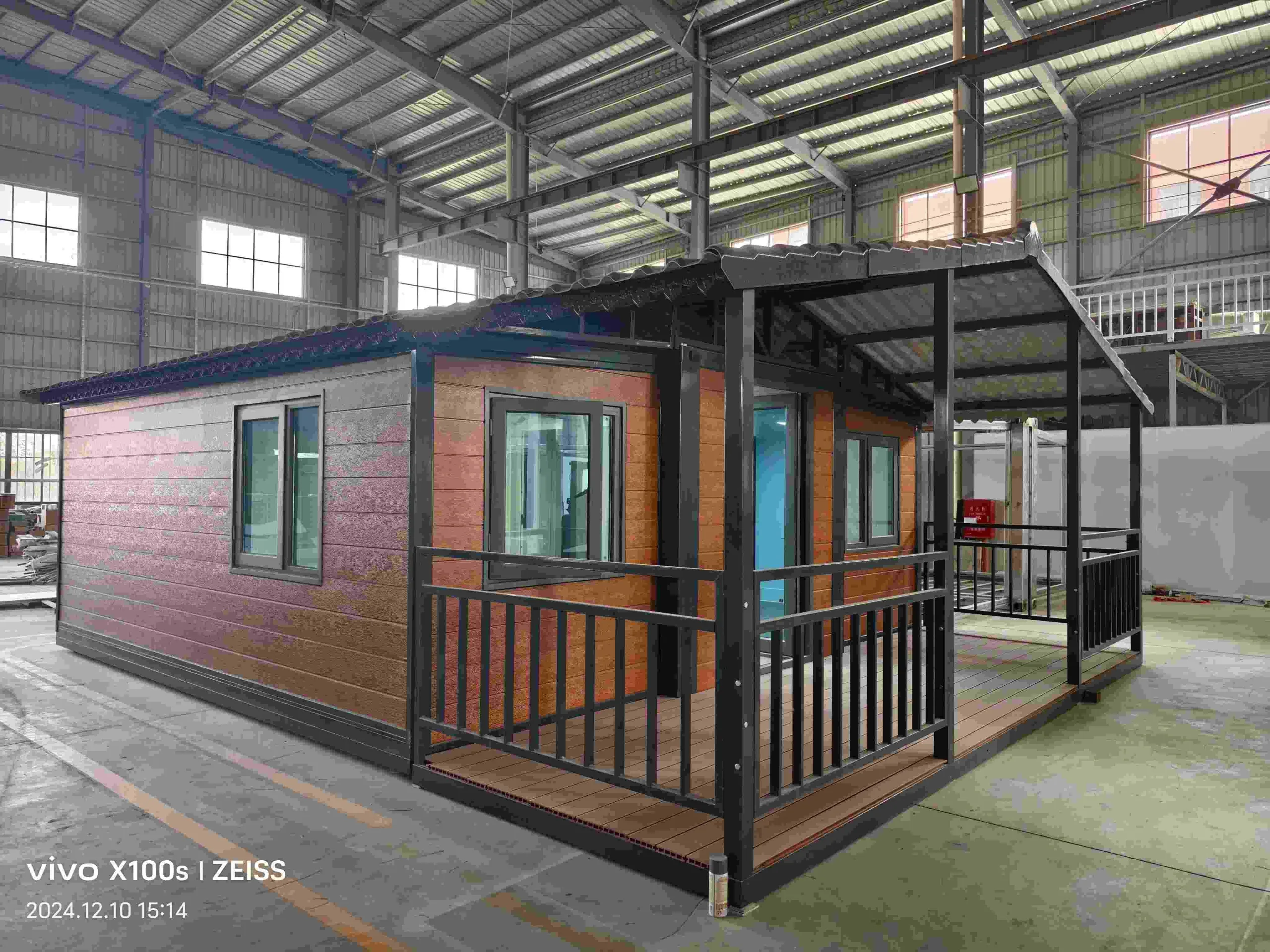
Choosing the right wall insulation thickness for an expandable container house in cold climates depends on the minimum winter temperature. For moderate cold (down to -10°C), a 75mm polyurethane (PU) or rock wool panel is standard. For extreme cold (below -20°C), a minimum of 100mm to 150mm insulation thickness is required to prevent thermal bridging […]
Tags :
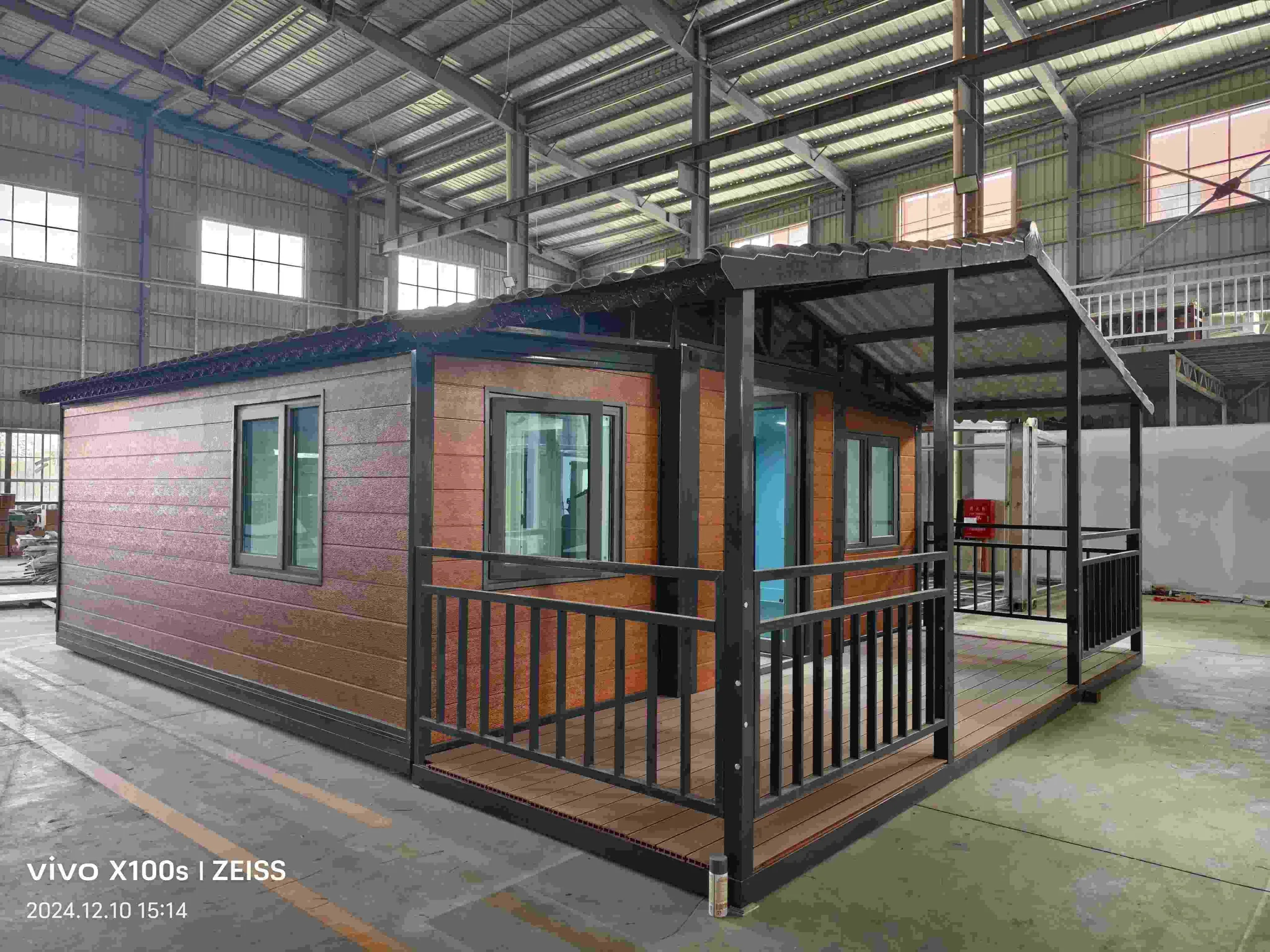
Choosing insulation for an expandable container house in cold climates requires evaluating thermal conductivity, moisture resistance, and structural adaptability. Polyurethane (PU) spray or sandwich panels provide high thermal efficiency and airtightness, while rockwool offers superior fire safety and soundproofing. These insulation choices prevent thermal bridging, preserving structural integrity and warmth in extreme freezing temperatures. Core […]
Tags :
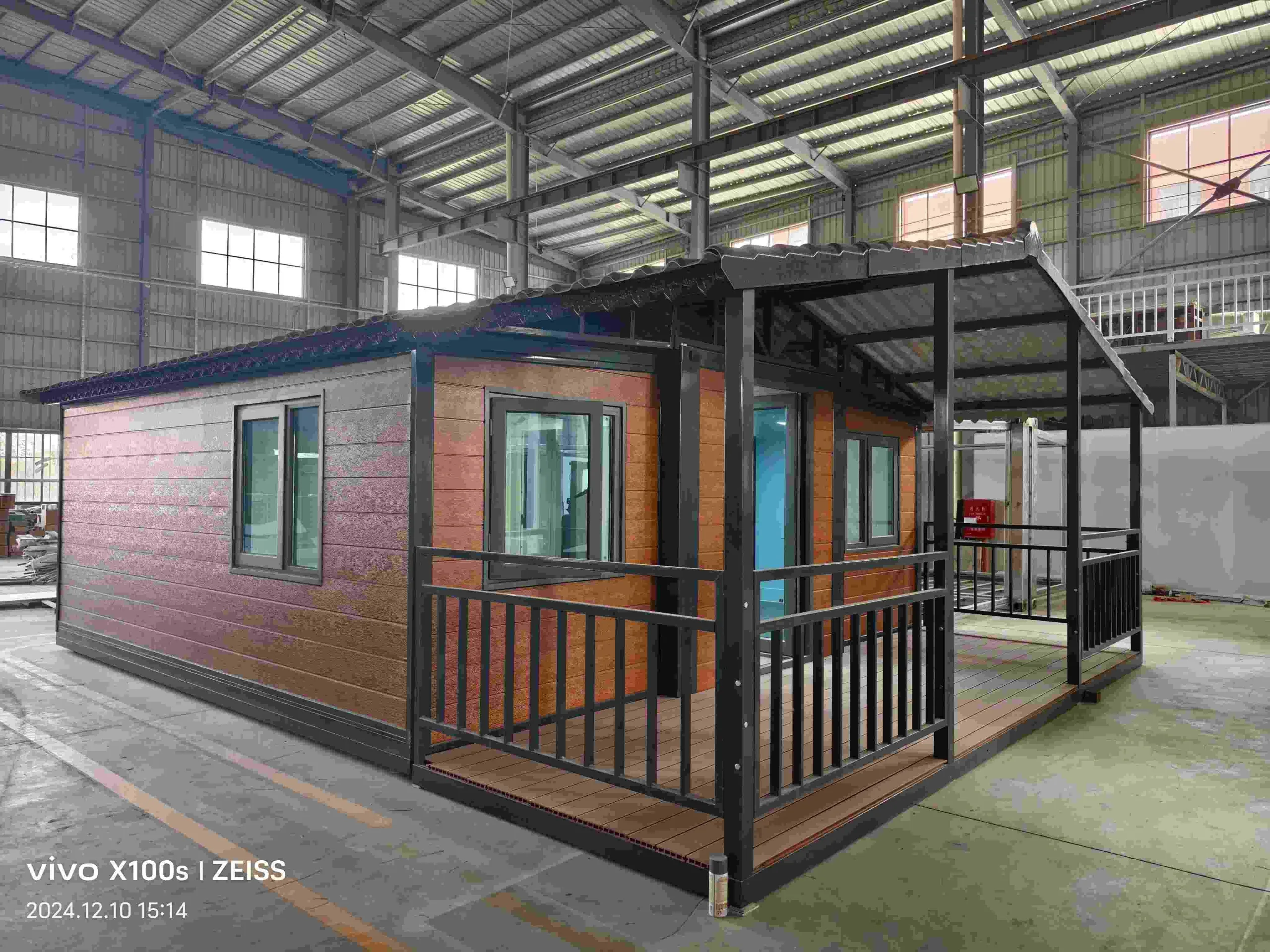
Yes, you can fully customize the interior layout and add an extra bathroom to an expandable container house. Modern manufacturing design permits structural modifications, customized partition walls, and dedicated plumbing routing across 20FT, 30FT, and 40FT models while preserving structural integrity, airtightness, and rapid unfolding capabilities. Core Solutions & Key Takeaways Structural Layout Adaptability: Custom […]
Tags :
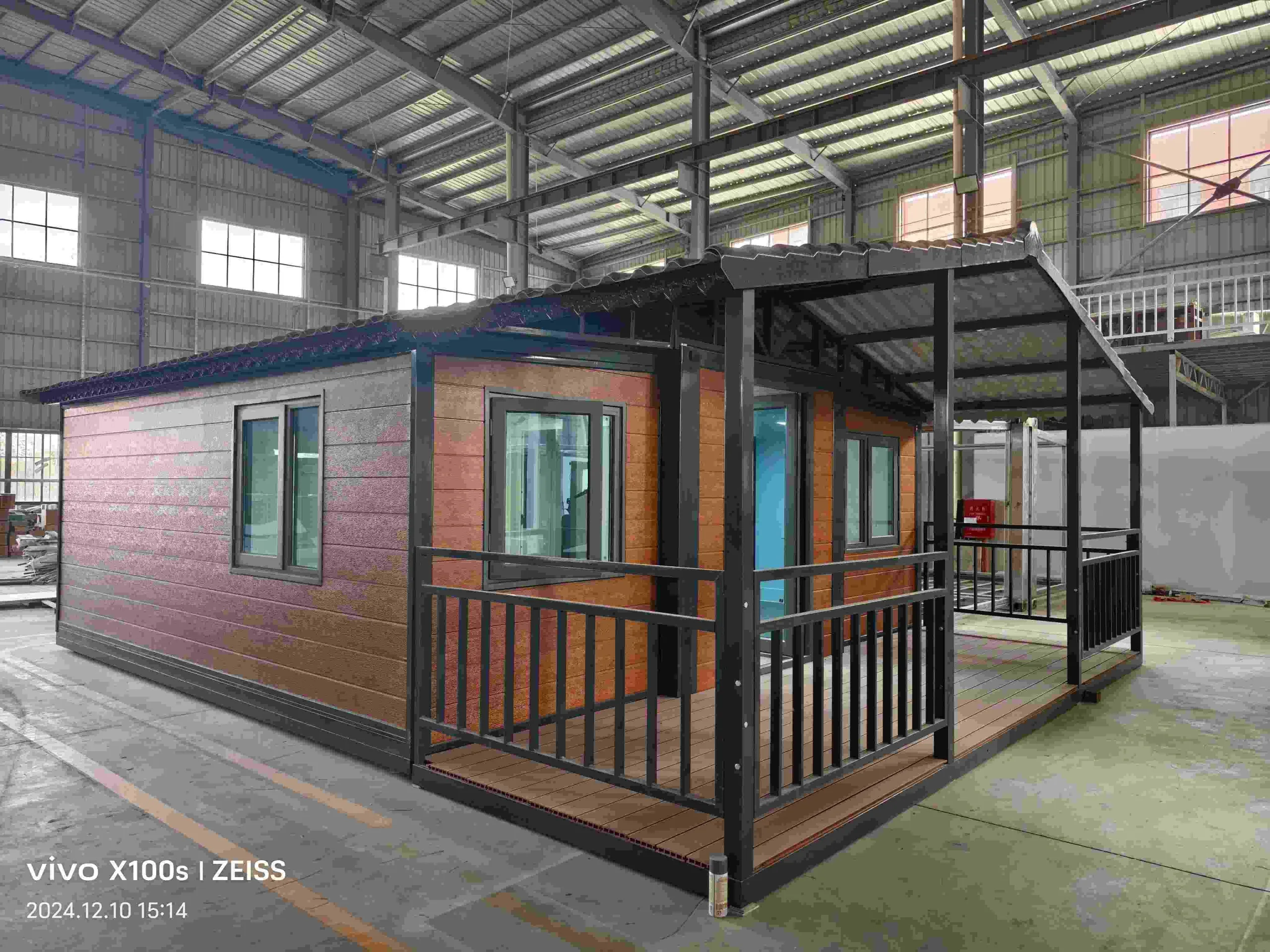
Insulating an expandable container house for freezing winter climates involves integrating advanced sandwich panels (such as polyurethane, rock wool, or EPS) into the wall and roof structures. Utilizing double-glazed window assemblies, high-density floor insulation layers, and precise structural sealing prevents thermal bridging and wind infiltration, ensuring energy-efficient warmth in extreme sub-zero temperatures. Core Solutions & […]
Tags :
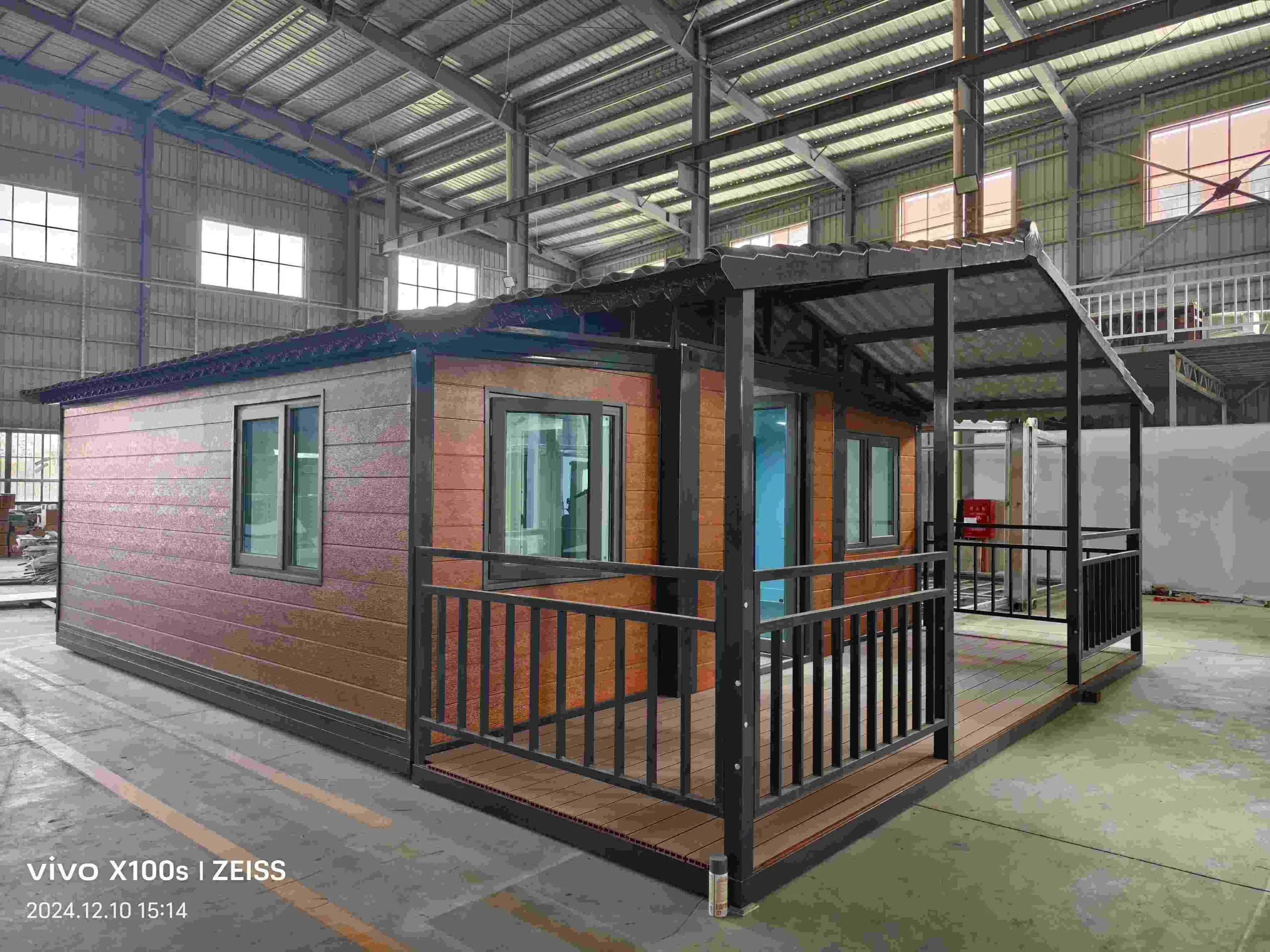
A standard 40HQ shipping container typically accommodates 1 to 2 folded expandable container houses depending on their specific size configurations (20FT, 30FT, or 40FT). Folding these structures flat minimizes volume, allowing multiple units to fit securely into ocean freight containers to reduce transoceanic shipping and logistics costs. Core Solutions & Key Takeaways Freight Space Optimization: […]
Tags :
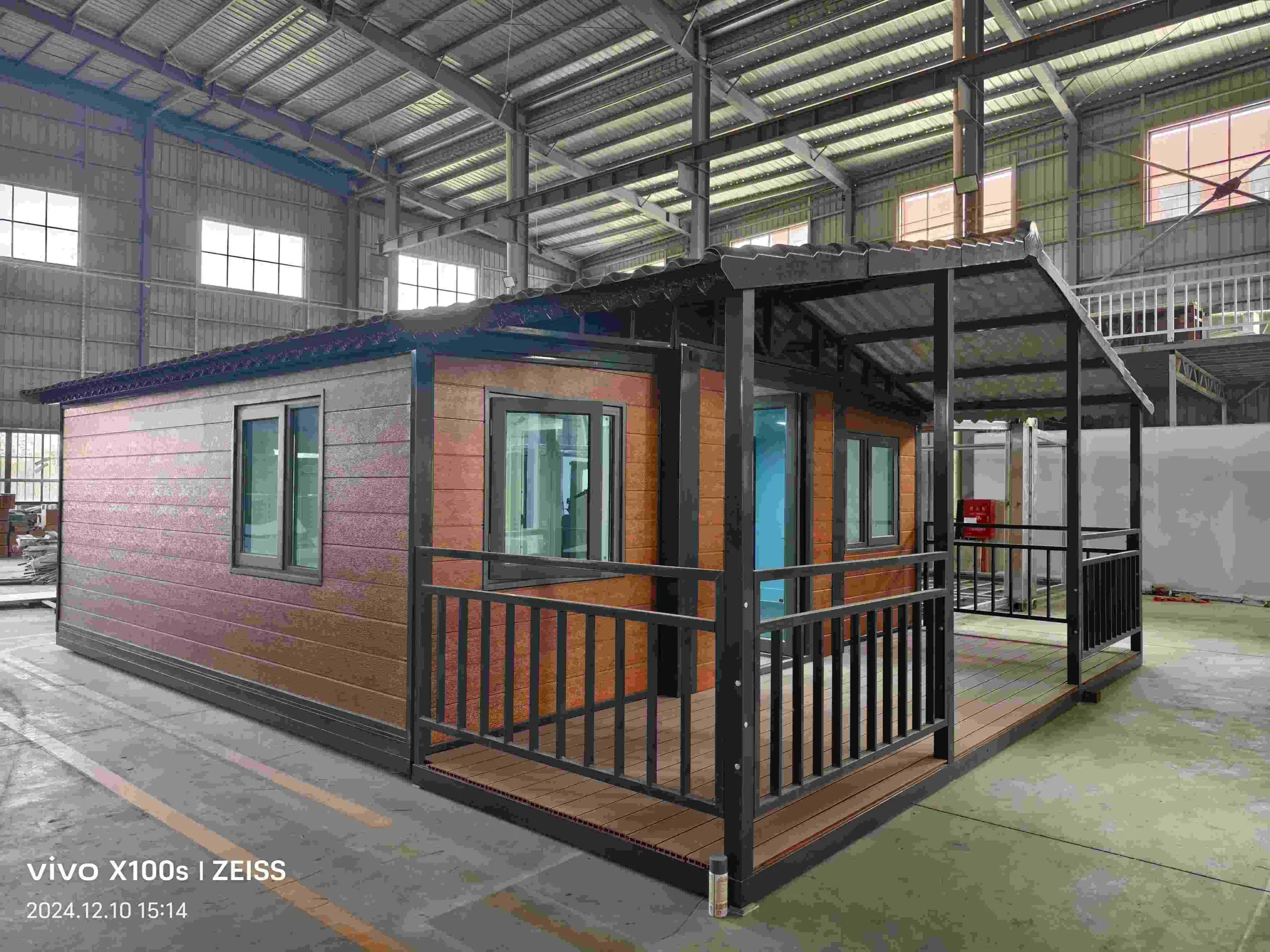
Polyurethane (PU) spray foam and high-density rock wool sandwich panels are the best insulation materials for an expandable container house in extreme winter weather. PU foam offers seamless airtightness to eliminate thermal bridging, while rock wool provides superior thermal resistance and fire safety, ensuring energy efficiency in sub-zero temperatures. Core Solutions & Key Takeaways Polyurethane […]
Tags :
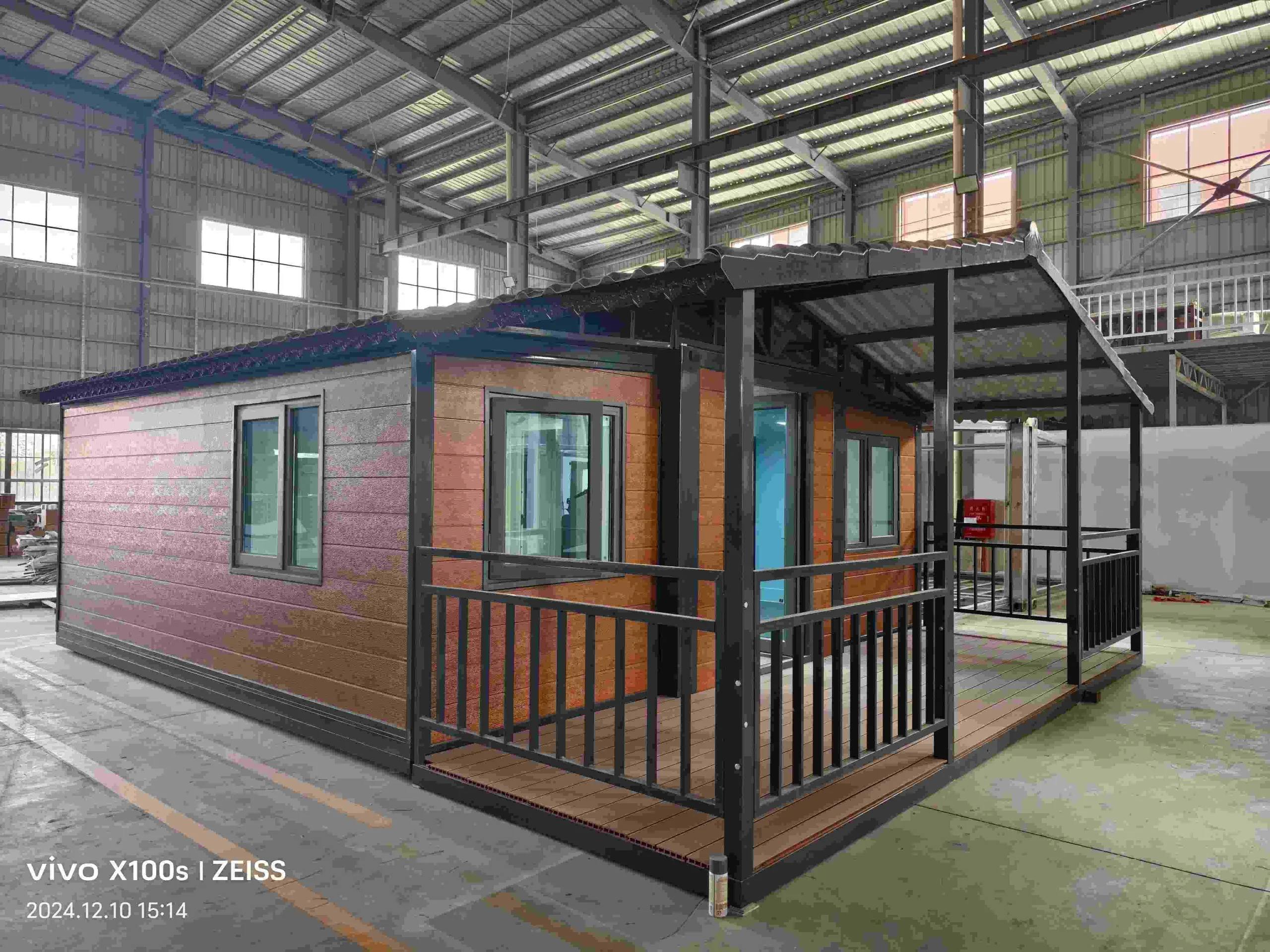
An expandable container house optimized for cold climates relies on high-density sandwich panels to prevent thermal bridging and maintain interior warmth. Engineered for extreme weather resistance, these structural systems withstand complex environmental conditions, including high winds and sandstorms, backed by comprehensive enclosure modal analysis, structural fatigue life testing, and certified airtightness testing. Core Solutions & […]
Tags :
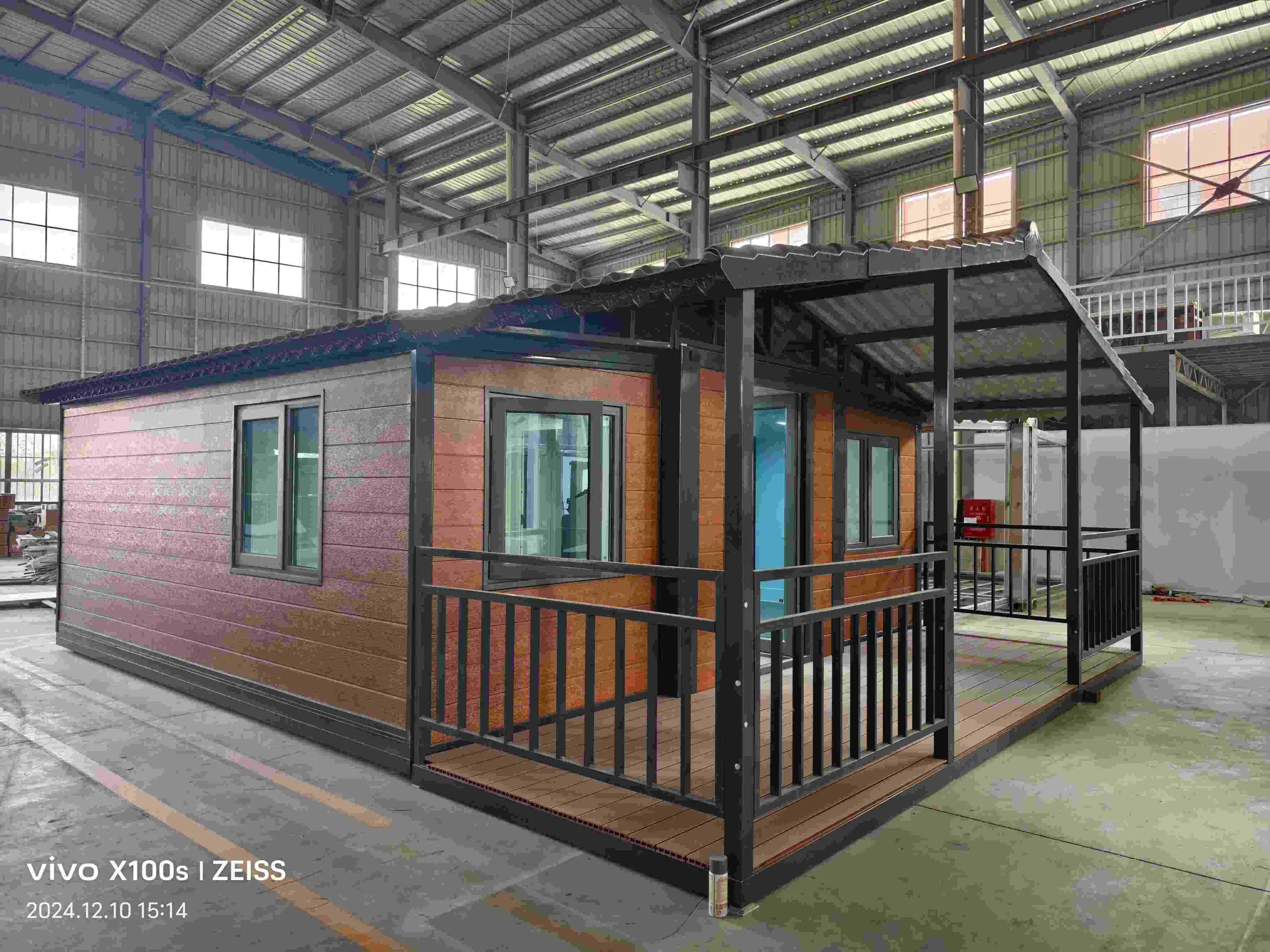
A standard 20ft expandable container house typically utilizes high-performance polyurethane (PU), rock wool, or polystyrene (EPS) sandwich panels as core insulation materials to ensure thermal efficiency. These modular structures are engineered with high-strength structural steel frames that provide wind resistance ratings capable of withstanding wind loads up to class 10 to 12 (90 to 120 […]
Tags :
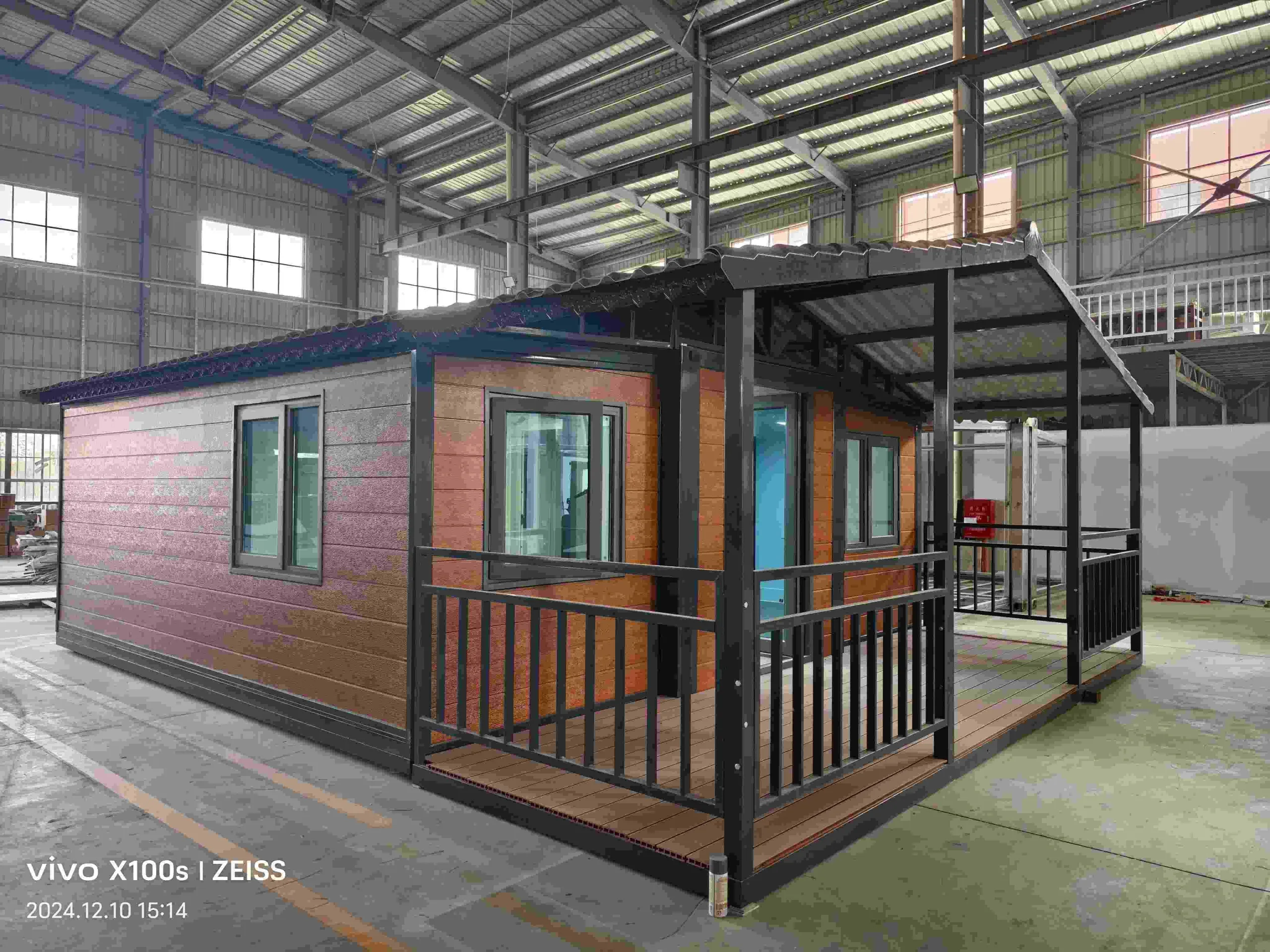
The hydraulic or folding hinges of an expandable container house are covered by a comprehensive one-year warranty. This warranty applies specifically to structural damage and mechanical failures caused by non-human factors, ensuring the replacement or repair of critical folding joints and hydraulic mechanisms during the initial twelve months of operational deployment. Core Solutions & Key […]
Tags :
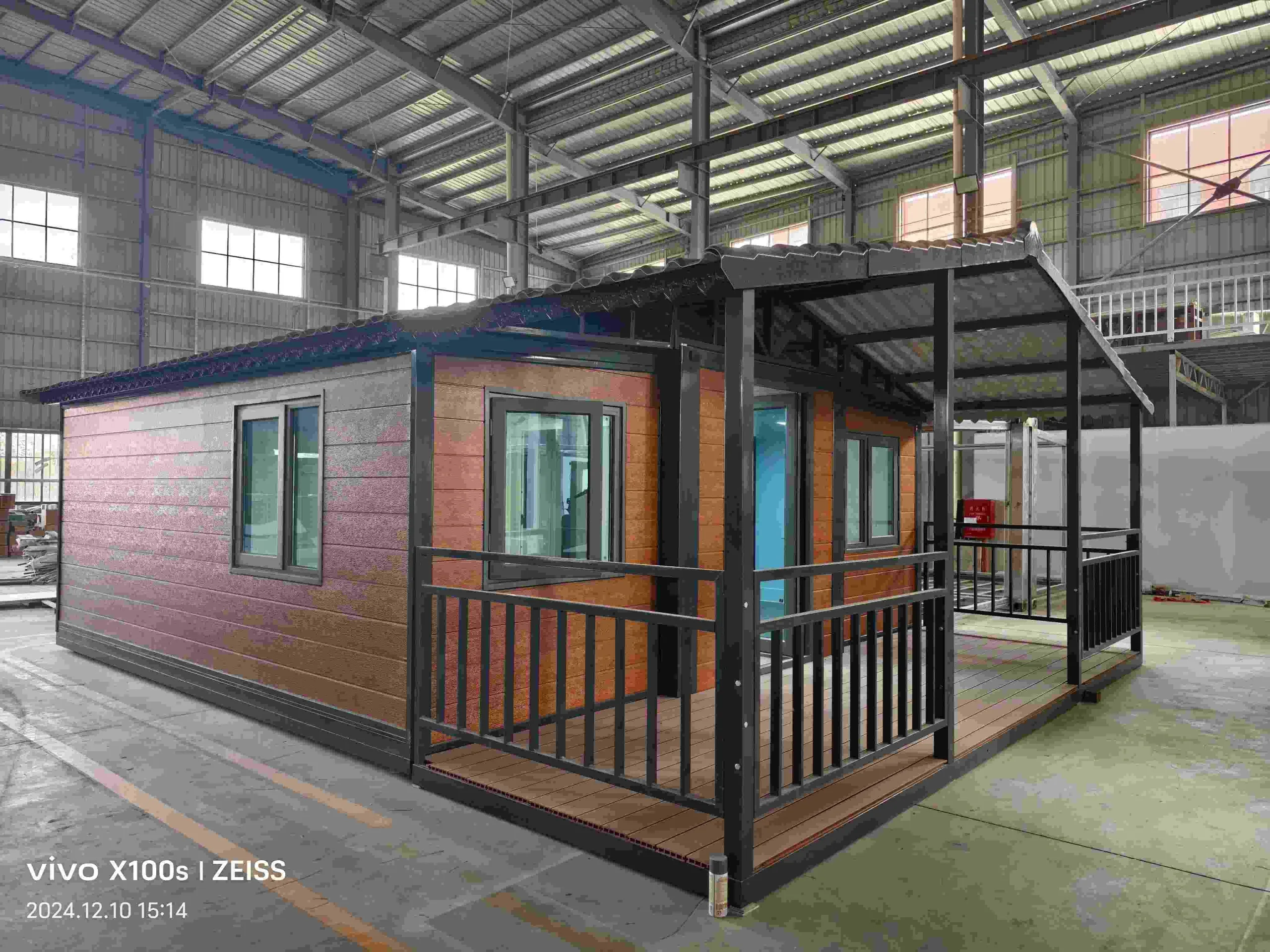
Standard insulation options for expandable container houses in cold climates include sandwich panels composed of Rockwool, Polyurethane (PU), or Polystyrene (EPS). High-performance structures often integrate specialized sealing gaskets and thermal break designs to prevent thermal bridging, ensuring reliable weather resistance in extreme low temperatures. Core Solutions & Key Takeaways Insulation Materials: Polyurethane (PU) and Rockwool […]
Tags :
 Sign Up To Our Newsletters

Tel : +8613377650003
Email : [email protected]


© 2026 Guangdong Uni-House Technology Co., Ltd.

Hi! Click one of our members below to chat on